NARRATIVE/SYSTEMATIC REVIEWS/META-ANALYSIS
The Evolving Role of Telemedicine within the Emergency Department
Erkan Hassan, PharmD 
Founder & CEO, Transformational Views Consulting Group, Inc., Clarksville, MD, USA
Keywords: Emergency department, patient care, healthcare systems, telemedicine
Abstract
The emergency department (ED) is a critical area of the hospital due to its impact on patient care, overall hospital operations, and performance metrics. However, the global burden on EDs continues to rise, with overcrowding and prolonged boarding driving excessive waiting times, delayed treatments, and poorer outcomes. The three main and interdependent components of ED patient flow are input, throughput, and output. Incorporation of telemedicine solutions into the assessment, analysis, and treatment of ED patients can aid in relieving this burden. However, only sporadic uses of ED telemedicine projects have been published. Health systems should consider a comprehensive telehealth strategy for the entire patient journey and ED operation.
Plain Language Summary
Emergency departments (EDs) face a global overcrowding challenge associated with prolonged length of stay and death rates post-admission. Telemedicine provides a possible solution. Reports highlight specific examples of the use of telemedicine for ED patient assessment, management, and discharge. However, a comprehensive telemedicine strategy addressing all the stages of the patient journey throughout the ED is lacking. Here, the stages of the ED patient journey are reviewed (admission, throughput, and discharge) along with examples of technology and non-technology approaches to address the prevalent problems. A telemedicine component should complement, not replace, the in-person part of a comprehensive ED strategy.
Citation: Telehealth and Medicine Today © 2025, 10: 591
DOI: https://doi.org/10.30953/thmt.v10.591
Copyright: © 2025 The Authors. This is an open-access article distributed in accordance with the Creative Commons Attribution Non-Commercial (CC BY-NC 4.0) license, which permits others to distribute, adapt, enhance this work non-commercially, and license their derivative works on different terms, provided the original work is properly cited and the use is non-commercial. See http://creativecommons.org/licenses/by-nc/4.0. The authors of this article own the copyright.
Submitted: May 20, 2025; Accepted: July 23, 2025; Published: August 4, 2025
Funding Statement: No outside funding was part of the preparation of this article.
Financial and non-Financial Relationships and Activities: The author has neither financial nor non-financial relationship or activity with any product, device, or solution discussed within the manuscript.
Corresponding Author: Corresponding Author: Erkan Hassan, Email: dr.erkanhassan@gmail.com
The emergency department (ED) continues to face an increasing global burden on patients, providers, healthcare administrators, and health systems. The EDs face longstanding and urgent challenges, including rising patient volumes, limited resources, and varying case complexities, which can impact the quality of care, healthcare costs, and clinician burnout.
The use of telemedicine in critically ill patients has had a significant impact over the past 2.5 decades.1 Initially faced with slow adoption, the COVID-19 pandemic sparked the widespread use and demonstrated value of telemedicine in care delivery to critically ill patients.
With hospitals functioning at or near capacity, addressing overcrowding and boarding within the ED has become a focus of attention to improve throughput and operational efficiency. The incorporation of telemedicine within the ED offers a potential solution. Published articles and reviews on the use of telemedicine within the ED have spotlighted promising selected areas of care. The goal of this article is to describe the challenges faced within the ED triage and patient care services and identify where a telemedicine strategy can improve the processes and outcomes for the overcrowded and boarding ED.
Overcrowding
Annual U.S. ED visits decreased in 2020 due to the COVID-19 pandemic, with an estimated 131.3 million visits. Since then, ED visits have progressively increased to 139.8 million (2021) and 155.4 million (2022).2 Defining and quantifying overcrowding is not a simple task. Overcrowding occurs when there is an imbalance between the need for emergency care and the hospital’s availability to provide that care. Hence, overcrowding is a hospital-based issue, not just an ED issue.
The American College of Emergency Physicians defines overcrowding as3:
“a situation that occurs when the identified need for emergency services exceeds available resources for patient care in the ED, hospital, or both.”
Overcrowding has been classified into three distinct but interdependent areas: input, throughput, and output factors.4
Input factors consist of the patient population presenting to the ED, but must also consider patient access not just to the ED but to the hospital as well. Input factors include waiting times, severity, and complexity. In 2021, 81.3% of patients spent between 1 and 10 h waiting in an ED, with 18.3 million patients (13.1%) being admitted to the hospital.5 Previous literature reviews indicate that on average, 37% of ED visits were judged to be non-urgent, with ranges between 8% and 62%.6 The latest data from 2021 indicate 25.6% of patients in the ED are either non-urgent or of unknown triage status (Figure 1).5
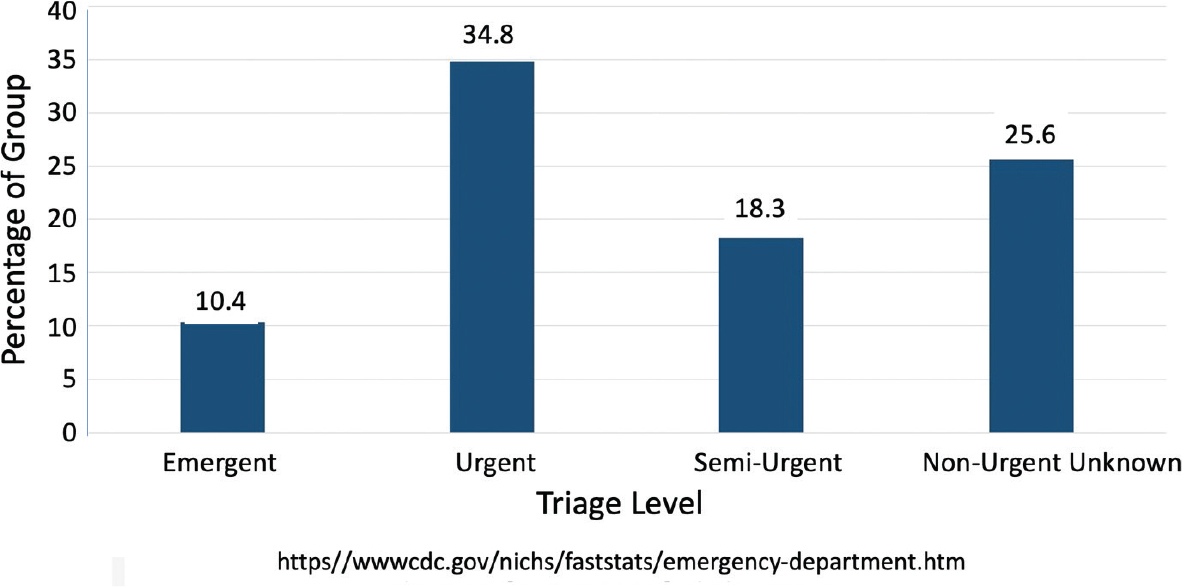
Fig. 1. Triage status of Emergency Department visits (2021).
Throughput factors are internal parameters measured from the time the patient is seen and the ultimate outcome decision (discharge, hospitalization, or transfer). Throughput factors are impacted by the ED staff as well.4
Output factors relate to the disposition of the patient and include boarding, hospital admission, the availability of hospital beds, and transport out of the ED (home care, or other facility). The lack of hospital beds is the main contributor to overcrowding and often leads to boarding. In addition to the lack of hospital beds, boarding might be a factor due to staffing ratios, inefficient transfer/discharge processes, and diagnostic imaging needs.
Boarding
Boarding occurs when a patient is admitted to the hospital and requires care within the ED while awaiting an available bed. There is a lack of an accepted definition for boarding, which makes it difficult to compare results from published studies evaluating the boarding issue.
The American College of Emergency Physicians defines boarding as7:
“a patient who remains in the emergency department after the patient has been admitted or placed into observation status at the facility but has not been transferred to an inpatient or observation unit.”
The time boarding starts is the time the decision is made to admit the patient into observation status. In the interest of patient safety, the Joint Commission recommends that boarding time not exceed 4 h. Published literature suggests the incidence of ED boarding of critically ill patients ranges from 2.1 to 87.6 h, with mean length of boarding stays between 1.3 and 8.8 h.8 Such wide discrepancies are due to the lack of a consistent definition and the heterogeneity of data collection techniques.
Clinically Relevant Outcomes Associated with Overcrowding and Boarding
The most severe impact of overcrowding is mortality. Richardson9 evaluated 736 Australian ED shifts with 34,377 patients during overcrowded shifts and 32,231 patients during non-crowded shifts. There was a statistically significant lower mortality rate (0.42% during overcrowding vs. 0.31% during non-overcrowded periods, p < 0.025) within 10 days of ED presentation in the non-overcrowded group. Guttman et al.10 reported on 125 EDs over 5 years in Ontario, Canada, with over 14.5 million visits, comparing mortality with a mean length of stay less than 1 h or greater than 6 h. The odds ratio of death was higher in the greater than 6-h stay group compared to the less than 1-h stay group (1.79 (95% CI 1.25–2.59) for high-acuity patients and 1.71 (95% CI 1.25–2.35) for low-acuity patients). Overcrowding also increases the hazard ratio for 30-day hospital mortality in 34 pediatric EDs reported in Korea (1.23, 95% CI 1.019–1.558).11 Overcrowding has also been reported to worsen additional metrics, including waiting times, length of stay, adverse cardiac events, delayed diagnostic times, initiation of therapy, and patient dissatisfaction.4
Clinical outcomes related to boarding times are difficult to compare, as there is a lack of consistent boarding time thresholds evaluated. Chalfin et al.12 and Agustin et al.13 each used a 6-h boarding time. The former found a statistically significant greater intensive care unit (ICU) (8.4% when < 6 h vs. 10.7% when > 6 h, p < 0.01) and hospital (12.9% when < 6 h. vs. 17.4% when > 6 h, p < 0.001) mortality rate with longer boarding times, whereas the latter did not find a significant difference in sepsis patients (22.63% vs. 24.67%, p = 0.68). Using a 12-h boarding window, Singer et al.14 reported a statistically significantly higher hospital mortality rate (2.5% vs. 4.5%, p < 0.001) and length of stay (5.6% vs. 8.7%, p < 0.001) in short-boarding versus long-boarding patients. Cardoso et al.15 compared hospital mortality from 125 immediately ED-admitted patients to 276 delayed-admission ED patients. Delayed is defined as between 2 and 24 h without a defined boarding threshold time. The ICU mortality rates increased with any delay in ICU admission. Each hour of delay was associated with a 1.5% increased risk of ICU mortality. In addition, each hourly delay was associated with a 1.0% increase in in-hospital mortality. The ED boarding also affects other hospital operations such as nursing, pharmacy, laboratory, radiology, and staff satisfaction.8
The financial impact of ED boarding is often discussed but rarely evaluated. One recent evaluation by Canellas et al.16 demonstrates a higher amount of staff time devoted to the boarded patient as well as the total daily cost of care. For patients with acute stroke, daily boarding costs were $1,856 compared to $993 for inpatient costs and $2,267 versus $2,165 for ICU care.
The Role of Telemedicine in the Emergency Department
Telemedicine is the practice of leveraging technology to provide remote care between a patient and one or more healthcare professionals. Even before the COVID-19 pandemic, telemedicine was providing care remotely to hospitalized patients.1 During the COVID-19 pandemic, telemedicine became a tool to minimize the spread of the virus by providing remote care at home. For the ED, this meant avoiding physical presence in the ED. Although challenges remain, we can now provide telecare to patients virtually in any setting with broadband access and within any discipline.
Emergency care needs to be re-imagined.16 By leveraging telemedicine to direct the patient to the location that best serves their needs, the health system can potentially optimize the input, throughput, and output factors impacting the crisis currently faced in the ED. Although sporadic solutions appear within the published ED literature, to date, there is a lack of an overarching strategy addressing all factors identified above.
The Role of Telemedicine on Input (Table 1)
As described above, input focuses on the patients presenting to the ED. There are three broad categories of input patients: (1) patients needing emergency care, (2) unscheduled patients needing nonemergency care, and (3) safety net care. Changing the input factor will decrease unscheduled non-emergent and safety net care and allow the true purpose of the ED to serve those patients needing emergent care. The net result will be decreased overcrowding, decreased wait times, and decreased number of patients who leave without being seen.
Improving input, therefore, should focus on tele-triage. The end goal is to determine if the patient is unlikely to need an ED visit, needs additional evaluations before deciding the most appropriate site of care, or is highly likely to need an in-person ED visit.
The implementation of real-time virtual care with Emergency Medical Services (EMS) personnel on site, along with a well-defined protocol, resulted in a drop in ambulance disposition to the ED from 74% to 18% (p < 0.001) with a quicker time for the EMS team to return to service.17 The ED alternative programs where patients are taken by EMS to clinic-based destinations in lieu of the ED reported decreases in ED use, increases in community clinic use, decreased waiting times, reduced overcrowding, and improved patient satisfaction.18,19 A synchronous virtual care visit with ED providers without EMS before the patient leaving home resulted in a 64.2% drop in acute care visits.20
Kowark et al.21 randomized 3,500 patients to compare the outcome of a virtual care ED physician providing real-time remote aid to EMS personnel in the home to EMS personnel with an ED physician physically within the home. The virtual care program was non-inferior to the in-person EMS/ED physician team onsite on four pre-determined outcomes.
Artificial Intelligence (AI) is increasingly being incorporated into healthcare with diagnostic, therapeutic, and/or predictive models. One potential benefit of AI is the speed with which it can produce results. This is especially relevant within the ED, where rapid interpretation of clinical data can play a large role. For the past 15 years, AI algorithms have been evaluated for their ability to improve triage decisions as an admission prediction tool, which can aid in decreasing overcrowding, identifying and predicting future outcomes, aiding clinical decision-making to reduce decision-making variations, improving healthcare delivery, improving resource allocation, and enhancing efficiency.22
Greenbaum et al.23 used a machine learning ontology interface to demonstrate an improved data capture of chief complaints within the ED from over 279,000 patient encounters. The system provided higher overall quality (p = 0.0002) and reduced the number of annual typing hours for nurses from 92.5 to 4.8 h.
Numerous studies have evaluated various AI methodologies to predict the probability of ED admission risk. Studies have variances in design (retrospective vs. prospective), differing data sources, and the model description only versus model development plus validation data.24 These studies consistently demonstrate a strong ability to triage ED admissions with area under the receiver operating curves (AUCROC) between 0.80 and 0.89 (Table 2). Although these predictive triage models hold promise, the variability in study design, coupled with limited external validations, warrants further evaluation. Recently, Brossard et al.25 tested four different predictive algorithms across two French hospitals. Retrospectively, their models accurately predicted ED admissions on an hour-by-hour basis, prompting them to move to a prospective evaluation.
| Author, Year | Number of Patients | AUCROC | Comments |
| Cameron26, 2015 Retrospective |
322,846 | 0.877 |
|
| Levin27, 2018 Retrospective |
172,276 | 0.73 – 0.92 |
|
| Hong28, 2018 Retrospective |
560,486 | 0.87 – 0.92 |
|
| Cusido29, 2022 Retrospective |
1,805,096 | 0.894 |
|
| Akhlaghi30, 2024 Prospective |
77,125 | 0.80 |
|
| AUCROC: area under the receiver operating curves, ED: Emergency Department. | |||
Several approaches leveraging virtual care can be considered for the input factor (Figure 2). These include:
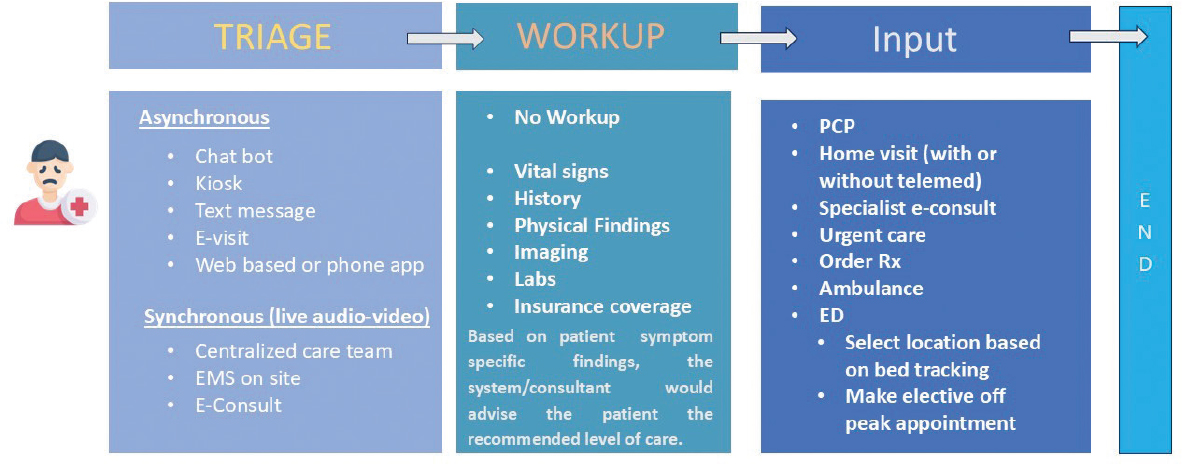
Fig. 2. The patient journey—ED input. E-Consult: electronic consultation, ED: emergency department, EMS: Emergency Medical Service, E-visit: electronic visit, PCP: primary care physician, Rx: prescription.
Asynchronous alternatives
Based on patient-collected symptom-specific responses, the system would advise the patient on the recommended level of care. Examples include AI-driven or live provider chatbots, text message platforms, e-visits, web-based apps, and strategically located kiosks (outside ED lobbies, medical buildings, libraries, etc.).
Synchronous alternatives
Live virtual care audio-video visits between the patient and provider in different locations. Examples include EMS care on-site or en route and remote centralized virtual ED team.
Special consideration abilities
EMS programs should have physician oversight as well as adequate education on protocols and a strong quality management system.
Referral to expedited diagnostic testing (imaging, labs, etc.) in outpatient facilities, urgent care centers, or hospitals. The patient can walk in, receive a test, and walk out with a follow-up, virtually.
Referral to primary care provider, specialist, or home visit with or without virtual care
This option facilitates the specific ED the patient is sent to based on illness acuity, ED and hospital census, and proximity.
Other factors
These include electronic board patient tracking and the ability to make ED appointments at “off-peak” hours. Patient insurance registration and evaluation of coverage at the time of tele-triage.
The Role of Telemedicine on Throughput (Table 1)
Throughput processes begin once the patient arrives in the ED. The major goals are to expedite evaluation and triage, improve the operational efficiency of testing, obtain additional consults, initiate treatments, and decrease walk-out-without-being-seen rates.
Two major themes emerge within the throughput model: patient flow and delivery of care, as well.
Patient flow models focus on innovative strategies designed to improve patient flow, staffing resources during peak patient load periods, advanced treatment protocols, and overall bed management techniques.
Commonly used patient flow models include Rapid Medical Evaluation, Fast Track Model, and the Split Flow Model. These models can work independently or together within the same ED. All three models have an initial triage component. Differences between the models include the care needed, patient acuity, physical location of care provided, and staffing model (Table 3).
The evaluation of these models focuses on operational improvements in patient flow, length of stay, the number left without being seen, and time from door to care. The impact of these models on patient outcomes is difficult to measure, primarily due to the lack of a control group.31 Patient flow models do indicate improved operational efficiency in decreasing door-to-bed times, door-to-doctor times, decreased length of stay, decreased inpatients leaving without being seen, ED revisits, and earlier initiation of diagnostic tests (Table 4).31–36
| Author (Year) | Total # Patients | Approach | Results |
| Gomez (2022)31 | 21,570 | Split flow based on patient severity vs traditional patient flow | Split flow decreased average time to disposition by 14.4 minutes. Decreased admission rates by 5.9% |
| Joseph (2013)32 | 162,901 | Baseline vs Fast track & Rapid Medical vs Post-Split flow | Decreased door to bed: 94.2 min baseline; 86.2 min Fast & Rapid; 52.1 split flow w increased ED volumes |
| Batt (2017)33 | 140,000 | Early tasks - diagnostics test within triage | Decreased treatment times by 20 minutes |
| Burstrum (2012)34 | 147,579 | ED MD s RN/MD vs Junior MD triage | ED MD triage resulted in lower length of stay; unscheduled returns and 7 day mortality |
| Russ (2010)35 | 66,409 | MD orders in triage | Decreased ED stay by 37 minutes |
| Traub (2016)36 | 47,626 | Rotational patient assigned to MD based on algorithm vs traditional | Rotational assignment decreased: LOS (232 vs 207 mins); arrival to provider (39 vs 22 min); LWBS 0.73 vs 0.36%. All values statistically significant |
| LOS: length of stay, MD: medical doctor, RN: registered nurse. | |||
Accurate ED modeling, forecasting, and adjustments to staff workloads can effectively manage overcrowding and boarding by aligning available resources with peak patient times. Most studies predict ED overcrowding using retrospective data, with deteriorating model performance after 4 h.37–39 Machine learning algorithms have started to address patient forecasting. A recent deep learning AI model has been compared to several other machine learning algorithms. This AI model predicted hourly patient forecasts with greater accuracy than other models, resulting in shift-optimizing modifications to 69 of 84 ED shifts.40
Advanced triage protocols (ATPs) are pre-developed, evidence-based, standardized approaches targeting a specific therapeutic topic to be initiated before a physician evaluation.41 If test results are available at the time of the physician encounter, a reduction in the time the patient remains in the ED can be attained. Results reported with the use of ATPs include reductions in: ED length of stay, treatment times, and time to disposition after implementation.42 A recent meta-analysis on ATPs indicates that the majority are evaluating the initiation of X-ray tests via a triage nurse.41 Diagnostic test ordering (blood, urine, electrocardiogram) was only reported in 2 of 14 studies. Overall, ATPs were a cost-efficient way to decrease ED length of stay by 37 min within randomized controlled trials and 51 min in non-randomized controlled trials.43 ATP studies do not demonstrate an increased number of tests ordered; however, they do not address the percentage of clinically irrelevant tests ordered or additional diagnostic workups in cases where the ATP was insufficient.
Telemedicine programs are also proposed as a way to impact the ED throughput process by not only focusing on the triage approaches and treatment protocols outlined above but also by providing direct patient care. Collaboration between bedside and remote teams in ATPs on clinical pathways as well as laboratory result assessments and communications can aid the process.
Joshi et al.44 evaluated a tele-input program on the number of patients who left without being seen (LWBS) and other parameters used to measure ED effectiveness. An off-site ED physician provider had tele-intake responsibilities 7 h per day (11:00 am to 6:00 pm), 7 days a week. All ED patients were placed in a queue for the remote physician for evaluation and input of appropriate orders. On-site staff would then continue the care of the patient. Disposition times were based on the time the patient left the ED. Measured parameters included: door-to-door provider; door-to-discharge, and ED length of stay for all patients. The LWBS was defined as not seeing an on-site or tele-intake provider. Left without treatment complete (LWTC) referred to patients leaving after seeing a tele-intake provider but before the on-site provider. Left against medical advice (AMA) was defined as a patient who was seen by both tele-intake and on-site provider but left before completion of the evaluation. Left without treatment (LWOT) = LWBS + LWTC + AMA. Patient demographics 6 months before and after the study were similar. The primary endpoint findings are depicted in Table 3. Although LWBS improved, LWTC worsened, and AMA was unchanged. This resulted in no change to LWOT as well. Tele-Input by a remote provider is effective in improving the number of LWBS patients, which is an important ED effectiveness measure (Table 5).
| Metric | Pre Tele-Intake | Post Tele-Intake | P Value |
| Left Without Being Seen (LWBS) | 2.3% | 1.69% | < 0.001 |
| Left Without Treatment Complete (LWTC) | 0.59% | 1.1% | < 0.01 |
| Left Against Medical Advice (AMA) | 1.4% | 1.6% | N.S. |
| Left Without Treatment (LWOT) | 4.3% | 4.4% | N.S. |
| N.S: Non Significant, AMA: against medical advice, LWBS: left without being seen, LWOT: left without treatment, LWTC: left without treatment complete. | |||
Continuous synchronous care of the ED patient by a centralized remote team has only recently been addressed.45 Over 4 months, patients to be admitted to the medical ICU but boarded within the ED for at least 2 h were monitored and managed collaboratively between the remote tele-ICU intensivist and the critical care and ED teams. Of the 314 patients to be admitted to the ICU, 214 were boarded, with 115 entered into the tele-ICU monitoring group. The major outcomes were: a) raw and adjusted in-hospital mortality was significantly reduced with the addition of tele-ICU care (mortality 5.4% with tele-ICU vs. 20% without; adjusted odds ratio 0.08, p < 0.01); and b) when transferred to an in-patient bed, 41 (36%) patients went to a less intensive level of care than the ICU compared to zero patients without tele-ICU oversight.
Another alternative is to have an ICU based in the ED.46 Care is provided by a multidisciplinary critical care team within the ED pending the availability of an inpatient bed, after initial stabilization by the ED team. This model reported a mean daily census of 6.9 ED-ICU patients, with 6,200 patients treated. Risk-adjusted findings with the ED-based ICU were statistically significant reductions in: (a) 30-day mortality (2.13% pre-ED ICU care to 1.83% post-ED ICU care, p < 0.001), and (b) ED to ICU admissions (3.2% pre-ED ICU care to 2.7% post-ED ICU care).
Additional potential value adds of a specified care team for acutely ill ED boarders include47 early recognition of clinical deterioration, identifying differences from various clinical reports on the nature and level of patient acuity, limited critical care training for floor/ED clinicians, differences in workflows between ICU/ED/Floor, a “second” set of eyes for patient monitoring, guidance at bedside on critical care interventions, and coordinating triage and transfers.
Proactive bed management with triage decisions for patients to be admitted from the ED, as well as facilitating their transfer to the appropriate level of care via bed management rounds twice daily, has resulted in reduced time to transfer by 99 ± 14 min (353 min control group to 254 min active bed management, p < 0.0001).8,48 Proactive bed management should also contribute to quantifying real-time boarding severity, system-wide view, visualizing trends over time, hospital occupancy and capacity, easy accessibility to all team members, interpretability, operational and quality improvement metrics, easy stratification by patient types, age, severity, and length of ED stay, and prediction of peak times.
Inclusion of a proactive bed management program via a transfer center for a health system has been shown to improve clinical and financial outcomes.49
The Role of Telemedicine in Output (Table 1)
The ability of the ED to place admitted patients into an inpatient bed is consistently a universal and global problem. The movement of patients out of the ED is considered an output issue. The greatest among output factors are the availability of beds and delayed transportation of patients (internally and externally) to free up beds. Factors contributing to bed availability and delayed transportation include3: inpatient occupancy, bed shortage, staffing ratios, inefficiencies in the transfer and discharge of patients, and a lack of home support for care.
The goal to improve output is to quickly make inpatient beds available by early discharge of stable inpatients to make room for priority ED patients with urgent needs.
Reverse triage is a process to identify stable patients who no longer need inpatient treatment and who can be discharged without undue risk.50 Discharge locations could include patients’ homes, nursing homes, hospices, and rehabilitation centers. Based on limited data, investigators have suggested that 10% to 20% of bed capacity can become available within 6 h. The full impact of reverse triage occurs at 24 to 48 h.51 Combining reverse triage with a telemedicine follow-up allows for the continuum of care to ensure patients remain stable outside the hospital.52
ED hospitalizations are generally considered uncontrollable; however, predictive models have been developed that could be used to aid in scheduling elective surgery cases and bed management.53 Most elective surgical admissions occur at the beginning of each week and can adversely impact output. Spreading elective admissions evenly over the week can improve hospital bed capacity and hospital revenue, with fewer cancellations and reduced costs.52,54 However, this approach would require changing surgical practices to accommodate the wider distribution of surgeries over the full week, changing to outpatient clinic hours, and post-surgical inpatient rounds.
Changes in discharge timings can impact ED boarding rates. Powell et al.55 demonstrated that shifting discharge time to 4 h earlier eliminated ED boarding; in addition, discharging 75% of patients by noon decreased boarding time to 3 h. Other studies over the past 10 years have produced mixed results, with either improved clinical metrics (length of stay, readmission rates, and mortality) or early discharge occurring without an impact on quality metrics.56
Other possible changes to discharge time include moving peak discharge time to precede peak admission time based on data analysis, and increasing planned weekend discharges.
Discharge lounges are designated areas where patients who are medically ready for discharge can wait for final arrangements such as transportation, discharge instructions, or prescriptions. These comfortable, non-clinical areas free up the clinical areas within EDs and are staffed with nurses and support staff.57 Discharge lounges have been reported to increase the percentage of discharges before noon by approximately 8% (from 33.4% to 41.5%), and discharge time for discharge lounge patients decreased from 2 h and 16 min to 1 h and 23 min (p = 0.008).58
Bed management (also referred to as bed assignment information systems) collects and displays various parameters and situations of all beds within a ward, hospital, or system scheduled for discharge. Historically completed manually, leveraging technology to develop these systems can improve the efficiency of bed arrangements. These systems solve the problem of bed supply and demand, including the functions of bed cleaning needs and feedback once achieved.59 Bed management systems can decrease ED length of stay, hold time, hospital mortality, and improve patient satisfaction.48,60,61
Unscheduled return ED visits (URV) increase healthcare costs, contribute to overcrowding, and increase wait times within the ED. The pursuit of an accurate predictive model for URV has been ongoing for over two decades. Numerous factors contribute to a URV, which limits the utility of conventional models. However, newer machine learning models can accommodate a large range of complex predictors and have recently been reviewed.62 The most common models used with a 72-h URV evaluation were a logistic regression (median Area Under the Receiver Operating Characteristic [AUROC 0.72]) and eXtreme Gradient Boosting (XGB, median AUROC 0.73). Of the four studies evaluating 30-day URV, the median AUROC was 0.79. The results of these studies demonstrate the difficulty of the predictive accuracy of URV, with few exceeding an AUROC above 0.75.
Using a more complex model, Sung et al.63 were able to achieve a more favorable AUROC of 0.82 72-h AUROC compared to other commonly used machine learning models. However, the sensitivity remained relatively low at 0.45.
The development and validation of a discharge risk score predicting the likelihood of return at the time of ED discharge have recently been described.64 Five parameters scored at the time of discharge with a total range of zero to seven produced five discharge severity categories (Table 6).
The DSI with the greatest points was DSI 1, least points were DSI 5. A statistically significant increase in the odds ratio of revisit and readmission was found as the severity index worsened (Table 7).
AUROC: DSI: Discharge Severity Index
The DSI may help guide clinicians to provide closer follow-up post-discharge to the higher DSI risk groups (DSI 1 and 2). Further research on this tool is necessary to establish that it consistently applies to various patient populations. Especially as the authors point out, there was a 45% data exclusion rate. In addition, it is not clear what specific actions should be taken in the higher risk groups. Finally, the model may need to be further delineated as over 60% of patients were in the DSI 3 group.
Conducting a virtual teleconsultation in ED patients within 24 h of discharge with minor problems without need for hospitalization but who typically stay in an observation bed has been reported.65 Adding a virtual teleconsultation component decreased the time the ED was categorized as “Busy” by 129 h and as “Overcrowded” by 19 h (p < 0.001). However, patients in the teleconsultation group had longer ED wait times.
Special Groups
Rural healthcare
Limited access to healthcare is a major difference between rural and urban centers. The challenges faced in rural ED care stem from a lack of resources to justify investments in a full range of services. The time needed to travel the long distances involved to reach rural centers can delay time-critical treatments. A timely emergency telehealth service can mitigate the workforce and distance issues.
Rural telehealth ED studies have varying methodologies, clinical areas of evaluation, and markers of success. Favorable outcomes from rural ED telehealth programs are dependent on the patient’s acuity level and comorbidities. If the patient will remain at the rural site, there must be sufficient resources and infrastructure to address the increased medical needs of these patients. In a small retrospective trial evaluating telemedicine in rural Japan during the COVID-19 pandemic, ambulance calls to the telehealth center resulted in appropriate transfers, with the shorter duration of online consultation for patients transferred versus those not requiring transfer.66
Length of ED stay (LOS) outcomes need to be assessed from two different viewpoints. Telehealth services may decrease LOS based on improved accuracy of triage, prompt decision-making, and timely interventions.67–69 An increase in LOS may reflect the telehealth program managing patients in place locally without the need for transfer.70
Speed of care is no different with the use of telehealth in rural and remote EDs for stroke (door-to-image time, door-to-needle time).70 Studies evaluating patient disposition from rural and remote EDs with the use of telehealth showed improvements in patient disposition, hospital admission, rate of ED discharge, and appropriateness of transfer in mental health, pediatric, and minor injury patients.70 Transfer rates were greater in higher acuity patients.71 Patients who are not transferred are either admitted to the rural/remote setting or discharged home. The implementation of a telehealth emergency medical specialist results in a higher rate of local admissions.72 The variability in patient transfers, discharges, and admissions is reflected by patient acuity.
The clinical effectiveness of rural ED telemedicine programs has been reported to be similar to or improved over non-telemedicine standard care delivery.72 Comparative clinical effectiveness endpoints reported have included diagnosis accuracy; treatment appropriateness; mortality at—in-hospital, 3 months, and 6 months, treatment complication development; and consult quality.72
Behavioral Healthcare
Since the pandemic, behavioral health has been a dominant use case for telehealth. Telepsychiatry has been used for various conditions, including suicide attempts, schizophrenia, substance abuse, and various mental health conditions, for individuals and groups of rural and urban patients.73
The average LOS for ED psychiatric emergency patients has been reported to be up to 2 days, with 40% of EDs reporting a wait time of at least 12 h.74,75 However, others have not found a statistically significant difference between ED psychiatric and general emergency patients.76,77 The most common causes for the long wait times include limited psychiatric beds, the psychiatric evaluation process, a shortage of mental health professionals, and insurance barriers.
Various published studies have evaluated the prevalence, reliability, acceptability, and impact of telepsychiatry ED services. Telepsychiatry ED services provide previously unavailable access to patients and management by mental health professionals in rural areas.78 Behavioral health patients were seen quicker via telehealth than in person (p < 0.001); however, total ED length of stay was longer in the telehealth group (p < 0.001).79 Most studies report a lower inpatient admission rate with ED telepsychiatry care versus in-person care.73,79 Of patients admitted, there is a higher likelihood of ED telepsychiatry service admissions to a psychiatric bed versus a medical-surgical bed.80
Patients with behavioral health issues need a system that provides coordinated, easily accessible care with smooth transitions between hospital and community settings. The ED is typically the starting point and requires partnerships with providers and community services. Telehealth plays a role in bridging the gap that currently exists.
Conclusion
The ED overcrowding and boarding are at crisis levels on a global level and are associated with increased adverse outcomes, quality, safety, mortality, and financial consequences. These ED problems are essentially a problem of patient flow throughout the entire system, as systems struggle to match capacity with demand. The three main factors contributing to the current ED situation are: input factors—external events beyond the ED, such as the healthcare needs of the community, an aging population, increasing patient acuity, and seasonal changes. Throughput factors—ED internal processes impacting length of stay, such as consultations, diagnostic testing, and inadequate staffing. Output factors—bottlenecks due to bed shortage or delays in transferring patients. For solutions to these problems, we must look far beyond the walls of the ED.
Telemedicine solutions have rapidly evolved since the onset of the COVID-19 pandemic. The current trajectory of telemedicine addressing healthcare priorities will continue to persist long into the future and become a common mode of healthcare delivery. Although telemedicine offers significant potential for clinically focused solutions, useful implementation into clinical workflows is limited and challenging.
The use of telemedicine within the ED has evolved to address the common problems of overcrowding and boarding issues. Telehealth platforms have been reported to benefit all three phases of ED patient care specifically: input, throughput, and output. It is of benefit in areas with a lack of specific specialists (urban and/or rural). Although various technological and regulatory challenges remain, telemedicine within the ED is reshaping care delivery. However, telemedicine within the ED environment has yet to benefit from a cohesive, overarching telehealth strategy. Current ED telehealth examples consist of a limited focus on one particular area without a comprehensive strategy across the phases of ED care. Regulatory, reimbursement, and clinical challenges remain in effectively incorporating telemedicine within the ED care model. Despite these challenges, ED clinicians and administrators should address ED telehealth as a comprehensive strategic initiative coupled with continued innovation.
Contributors
The author was significantly involved in the design, literature review, and manuscript writing and review stages.
Application of Ai-Generated Text or Related Technology
None.
References
- Hassan E. Tele-critical care at 25 years old. Telehealth Med Today. 2024;9:490. https://doi.org/10.30953/thmt.v9.490
- National Center for Health Statistics. Emergency department visits in the United States, 2016–2022. [cited 2025 Apr 02]. Available from: https://www.cdc.gov/nchs/dhcs/ed-visits/index.htm
- Emergency Medicine Practice Committee, ACEP. Emergency department overcrowding: high impact solutions. Irving, TX: ACEP; 2016.
- Savioli G, Ceresa IF, Gri N, Piccini GB, Longhitano Y, Zanza C, et al. Emergency department overcrowding: understanding the factors to find corresponding solutions. J Pers Med. 2022;12:279. https://doi.org/10.3390/jpm12020279
- Cairns C, Kang K. National hospital ambulatory medical care survey: 2021 emergency department summary tables. [cited 2025 May 16]. Available from: https://ftp.cdc.gov/pub/Health_Statistics/NCHS/Dataset_Documentation/NHAMCS/doc21-ed-508.pdf
- Uscher-Pines L, Pines J, Kellerman A, Gillen E, Mehrotra A. Emergency department visits for nonurgent conditions: systematic literature review. Am J Manag Care. 2013:19(1):47–59.
- Laam LA, Wary AA, Strony RS, Fitzpatrick MH, Kraus CK. Quantifying the impact of patient boarding on emergency department length of stay: all admitted patients are negatively affected by boarding. JACEP Open. 2021;2:e12401. https://doi.org/10.1002/emp2.12401
- Mohr NM, Wessman BT, Bassin B, Elie-Turenne MC, Ellender T, Emlet LL, et al. Boarding of critically ill patients in the emergency department. Crit Care Med. 2020;48(8):1180–7. https://doi.org/10.1097/CCM.0000000000004385
- Richardson DB. Increase in patient mortality at 10 days associated with emergency department overcrowding. Med J Aust. 2006. https://doi.org/10.5694/j.1326-5377.2006.tb00204.x
- Guttmann A, Schull MJ, Vermeulen MJ, Stukel TA. Association between waiting times and short term mortality and hospital admission after departure from emergency department: population based cohort study from Ontario Canada. BMJ. 2011. https://doi.org/10.1136/bmj.d2983
- Cha WC, Shin SD, Cho JS, Song KJ, Singer AJ, Kwak YH. The association between crowding and mortality in admitted pediatric patients from mixed adult-pediatric emergency departments in Korea. Pediatr Emerg Care. 2011;27(12):1136–41. https://doi.org/10.1097/PEC.0b013e31823ab90b
- Chalfin DB, Trzeciak S, Likourezos A, Baumann BM, Dellinger RP, DELAY-ED study group. Impact of delayed transfer of critically ill patients from the emergency department to the intensive care unit. Crit Care Med. 2007;35:1477–83. https://doi.org/10.1097/01.CCM.0000266585.74905.5A
- Agustin M, Price LL, Andoh-Duku A, LaCamera P. Impact of delayed admission to the intensive care unit from the emergency department upon sepsis outcomes and sepsis protocol compliance. Crit Care Res Pract. 2017. https://doi.org/10.1155/2017/9616545
- Singer AJ, Thode HC Jr, Viccellio P, Pines JM. The association between length of emergency department boarding and mortality. Acad Emerg Med. 2011;18:1324–9. https://doi.org/10.1111/j.1553-2712.2011.01236.x
- Cardoso LTQ, Grion CMC, Matuso T, Anami HT, Kauss IAM, Seko L, et al. Impact of delayed admission to intensive care units on mortality of critically ill patients: a cohort study. Crit Care. 2011;15:R28. https://doi.org/10.1186/cc9975
- Hollander JE, Sharma R. The availabilists: emergency care without the emergency department. NEJM Catalyst; 2021. [cited 2025 May 16]. Available from: https://catalyst.nejm.org/doi/full/10.1056/CAT.21.0310
- Langabeer JR, Gonzalez M, Alqusairi D, Champagne-Langabeer T, Jackson A, Mikhail J, et al. Telehealth-enabled emergency medical services program reduces ambulance transport to urban emergency departments. West J Emerg Med. 2016;17:713–20. https://doi.org/10.5811/westjem.2016.8.30660
- Schaefer RA, Rea T, Plorde M, Peiguss K, Goldberg P, Muarry JA. An emergency medical services program of alternate destination of patient care. Prehosp Emerg Care. 2002;6(3):309–14. https://doi.org/10.1080/10903120290938355
- Snooks H, Dale J, Hartley-Sharpe C, Halter M. On-scene alternatives for emergency ambulance crews attending patients who do not need to travel to the accident and emergency department: a review of the literature. Emerg Med J. 2004;21(2):212–5. https://doi.org/10.1136/emj.2003.005199
- Potter J, Gans DW, Gardner A, O’Neill J, Watkins C, Husain I. Using virtual emergency medicine clinicians as a health system entry point (virtual first): cross-sectional survey study. J Med Internet Res. 2023;25:e42840. https://doi.org/10.2196/42840
- Kowark A, Felzen M, Ziemann S, Wied S, Czaplik M, Beckers SK, et al. Telemedical support for prehospital emergency medical service in severe emergencies: an open-label randomised non-inferiority clinical trial. Crit Care. 2023;27:256. https://doi.org/10.1186/s13054-023-04545-z
- Boonstra A, Laven M. Influence of artificial intelligence on the work design of emergency department clinicians a systematic literature review. BMC Health Serv Res. 2022;22:669. https://doi.org/10.1186/s12913-022-08070-7
- Greenbaum NR, Jernite Y, Halpern Y, Calder S, Nathanson LA, Sontag DA, et al. Improving documentation of presenting problems in the emergency department using a domain-specific ontology and machine-learning-driven user interface. Int J Med Inform. 209:132:103981. https://doi.org/10.1016/j.ijmedinf.2019.103981
- Shin HA, Kang H, Choi M. Triage data-driven prediction models for hospital admission of emergency department patients: a systematic review. Health Inform Res. 2025;31(1):23–36. https://doi.org/10.4258/hir.2025.31.1.23
- Brossard C, Goetz C, Catoire P, Cipolat L, Guyeux C, Jardine CG, et al. Predicting emergency department admissions using a machine learning algorithm: a proof of concept with retrospective study. BMC Emerg Med. 2025;25:3. https://doi.org/10.1186/s12873-024-01141-4
- Cameron A, Rodgers K, Ireland A, Jamdar R, McKay GA. A simple tool to predict admission at the time of triage. Emerg Med J. 2015;32:174–9. https://doi.org/10.1136/emermed-2013-203200
- Levin S, Toerper M, Hamrock E, Hinson JS, Barnes S, Gardner H, et al. Machine-learning-based electronic triage more accurately differentiates patients with respect to clinical outcomes compared with emergency severity index. Ann Emerg Med. 2018;71(5):565–74. https://doi.org/10.1016/j.annemergmed.2017.08.005
- Hong WS, Haimovich AD, Taylor RA. Predicting hospital admission at emergency department triage using machine learning. PLoS One. 13(7):e0201016. https://doi.org/10.1371/journal.pone.0201016
- Cusido J, Comalrena J, Alavi H, Llunas L. Predicting hospital admissions to reduce crowding in the Emergency departments. Appl Sci. 2022;12:10764. https://doi.org/10.3390/app122110764
- Akhlaghi H, Freeman S, Vari C, McKenna B, Braitberg G, Karro J, et al. Machine learning in clinical practice: evaluation of an artificial intelligence tool after implementation. Emerg Med Australas. 2024;36:118–24. https://doi.org/10.1111/1742-6723.14325
- Gomez J, Cochran A, Patterson B, Zayas-Caban G. Evaluation of a split flow model for the emergency department. 2022. https://doi.org/10.48550/arXiv.2202.00736
- Joseph A, Patel A, Robinson RD, Andersen CA, Zenarosa NR, DeMoor C, et al. The role of split-flow model in the improvement of emergency department efficiency with respect to patients presenting with different acuity levels. Ann Emerg Med. 2013;62(4):Suppl:S1–2. https://doi.org/10.1016/j.annemergmed.2013.07.289
- Batt RJ, Terwiesch C. Early task initiation and other load-adaptive mechanisms in the emergency department. Manag Sci. 2017;63(11):3531–51. https://doi.org/10.1287/mnsc.2016.2516
- Burstrum L, Nordberg G, Ormung M, Castren M, Wiklund T, Engstrom ML, et al. Physician-led team triage based on lean principles may be superior for efficiency and quality? A comparison of three emergency departments with different triage models. Scand J Trauma Resusc Emerg Med. 2012;20(1):1–10. https://doi.org/10.1186/1757-7241-20-57
- Russ S, Jones I, Aronsky D, Dittus RS, Slovis CM. Placing physician orders at triage, the effect on length of stay. Ann Emerg Med. 2010;56(1):27–33. https://doi.org/10.1016/j.annemergmed.2010.02.006
- Traub SJ, Stewart CF, Didehban, R, Bartley AC, Saghafian S, Smith VD, et al. Emergency department rotational patient assignment. Ann Emerg Med. 2016; Feb;67(2):206–15. https://doi.org/10.1016/j.annemergmed.2015.07.008
- Whitt W, Zhang X. Forecasting arrivals and occupancy levels in an emergency department. Oper Res Health Care. 2019;21(1):1–18. https://doi.org/10.1016/j.orhc.2019.01.002Getrightsandcontent
- Cheng Q, Argon NT, Evans CS, Liu Y, Platts-Mills TF, Ziya S. Forecasting emergency department hourly occupancy using time series analysis. Am J Emerg Med.2021;48:177–82. https://doi.org/10.1016/j.ajem.2021.04.075
- Harrow F, Dairi A, Kadri F, Sun Y. Forecasting emergency department overcrowding: a deep learning framework. Chaos Solitons Fractals. 2020;139:110247. https://doi.org/10.1016/j.chaos.2020.110247
- Akbasli IT, Birbilen AZ, Teksam O. Artificial intelligence-driven forecasting and shift optimization for pediatric emergency department crowding. JAMIA Open. 2025;8(2):ooae138. https://doi.org/10.1093/jamiaopen/ooae138
- Soster CB, Anschau F, Rodrigues NH, Gabriela L, da Silva A, Klafke A. Advanced triage protocols in the emergency department: a systematic review and meta-analysis. Rev Latino-Am Enfermagem. 2022;30:e3511. https://doi.org/10.1590/1518-8345.5479.3511
- Franklin BJ, Li KY, Somand DM, Kocher KE, Kronick SL, Parekh VI, et al. Emergency department provider in triage: assessing site-specific rationale, operational feasibility, and financial impact. JACEP Open. 2021;2:e12450. https://doi.org/10.1002/emp2.12450
- Rowe BH, Villa-Roel C, Guo X, Bullard MJ, Ospina M, Vandermeer B, et al. The role of triage nurse ordering on mitigating overcrowding in emergency departments: a systematic review. Acad Emerg Med. 2011;18:1349–57. https://doi.org/10.1111/j.1553-2712.2011.01081.x
- Joshi AU, Randolph FT, Chang AM, Slovis BH, Rising KL, Sabonjian M, et al. Impact of emergency department tele-intake of left without being seen and throughput metrics. Acad Emerg Med. 2020;27(2):139–47. https://doi.org/10.1111/acem.13890
- Kadar RB, Amici DR, Hesse K, Bonder A, Ries M. Impact of telemonitoring of critically ill emergency department patients awaiting ICU transfer. Crit Care Med. 2019;47(9):1201–7. https://doi.org/10.1097/CCM.0000000000003847
- Gunnerson KJ, Bassin NS, Harvey RA, Haas NL, Sozener CB, Medin RP, et al. Association of an emergency department-based intensive care unit with survival and inpatient intensive care unit admissions. JAMA Netw Open. 2019;2(7):e197584. https://doi.org/10.1001/jamanetworkopen.2019.7584
- Abraham J, Kandasamy M, Fritz B, Konzen L, White J, Drewry A, et al. Expanding critical care delivery beyond the intensive care unit: determining the design and implementation needs for a tele-critical care consultation service. Appl Clin Inform. 2024;15:178–91. https://doi.org/10.1055/s-0044-1780508
- Howell E, Bessman E, Marshall R, Wright S. Hospitalist bed management effecting throughput from the emergency department to the intensive care unit. J Crit Care. 2010;25(2):184–9. https://doi.org/10.1016/j.jcrc.2009.08.004
- Lilly C, Motzkus C, Rincon T, Cody SE, Landry K. ICU telemedicine program financial outcomes. Chest. 2017;151(2):286–97. https://doi.org/10.1016/j.chest.11.029
- Pollaris G, Sabbe M. Reverse triage: more than just another method. Eur J Emerg Med. 2016;23(4):240–7. https://doi.org/10.1097/MEJ.0000000000000339
- Kelen GD, McCarthy M, Kraus CK, Ding R, Hsu EB, Li G, et al. Creation of surge capacity by early discharge of hospitalized patients at low risk for untoward events. Disaster Med Pub Health Pop. 2009;3(2 suppl):s10–6. https://doi.org/10.1097/DMP.0b013e3181a5e7cd
- Sartini M, Carbone A, Demartini A, Giribone L, Olivia M, Spagnolo AM, et al. Overcrowding in the emergency department: causes, consequences, and solutions—a narrative review. Healthcare. 2022;10:1625. https://doi.org/10.3390/healthcare10091625
- Boyle J, Jessup M, Crilly J, Green D, Lind J, Wallis M, et al. Predicting emergency department admissions. Emerg Med J. 2012;29(5):358–65. https://doi.org/10.1136/emj.2010.103531
- Weinick RM, Bruna S, Boicourt RM, Michael SS, Sessums LL. AHRQ Summit to address emergency department boarding. Technical Report. 2025. [cited 2025 May 16]. Available from: www.ahrq.gov/sites/default/files/wysiwyg/topics/ed-boarding-summit-report.pdf
- Powell ES, Khare RK, Venkatesh AK, Van Roo BD, Adams JG, Reinhardt G. The relationship between inpatient discharge timing and emergency department boarding. J Emerg Med. 2012 Feb;42(2):186–96. https://doi.org/10.1016/j.jemermed.2010.06.028
- Bailey R, Segon A, Garcia S, Kottewar S, Lu T, Tiazon N, et al. Increasing and sustaining discharges by noon—a multi-year process improvement project. BMC Health Serv Res. 2024;24:478. https://doi.org/10.1186/s12913-024-10960-x
- Franklin BJ, Vokill S, Huckman RS, Hosein S, Falk N, Cheng K, et al. The inpatient discharge lounge as a potential mechanism to mitigate emergency department boarding and crowding. Ann Emerg Med. 2020;75(6):704–14. https://doi.org/10.1016/j.annemergmed.2019.12.002
- Hernandez N, John D, Mitchell J. A reimagined discharge lounge as a way to an efficient discharge process. BMJ Qual Improv Rep. 2014;3. https://doi.org/10.1136/bmjquality.u204930.w2080
- Yun CC, Huang SJ, Kuo T, Li YC, Juang WC. Impact of new bed assignment information system on emergency department length of stay: an effect evaluation for lean intervention by using interrupted time series and propensity score matching analysis. Int J Environ Res Public Health. 2022;19:5364. https://doi.org/10.3390/ijerph19095364
- Barrett L, Ford Z, Ward-Smith P. A bed management strategy for overcrowding in the emergency department. Nurs Econ. 2012 Mar-Apr;30(2):82–5.
- Marsilio M, Roldan ET, Salmasi L, Villa S. Operations management solutions to improve ED patient flows: evidence from the Italian NHS. BMC Health Serv Res. 2022;22:974. https://doi.org/10.1186/s12913-022-08339-x
- Lee YC, Ng CJ, Hsu CC, Cheng CW, Chen SY. Machine learning models for predicting unscheduled return visits to an emergency department: a scoping review. BMC Emerg Med. 2024;24:20. https://doi.org/10.1186/s12873-024-00939-6
- Sung CW, Ho J, Fan CY, Chen CY, Chen CH, Lin SY, et al. Prediction of high-risk emergency department revisits from a machine-learning algorithm: a proof of concept study. BMJ Health Care Inform. 2024;31:e100859. https://doi.org/10.1136/bmjhci-2023-100859
- Kijpaisalratana N, El Ariss AB, Balk A, Mitragotri S, Samadian KD, Hahn BJ, et al. Development and validation of the discharge severity index for post-emergency department hospital readmissions. Am J Emerg Med. 2025;94:125–32. https://doi.org/10.1016/j.ajem.2025.04.045
- Chavda E, Norberciak L, Moreau LG, Casalino E, Willatte L, Wiel E, et al. Impact of a new post-emergency teleconsultation procedure on overcrowding. Digital Health. 2024. https://doi.org/10.1177/20552076241277173journals.sagepub.com/home/dhj
- Inokuchi R, Sakamoto A, Sun Y, Iwagami M, Tamiya N. Combining conventional and telemedicine medical services to reduce the burden on emergency medical services in rural areas: a retrospective cohort study. Prehosp Emerg Care. https://doi.org/10.1080/10903127.2025.2460205
- Saffle J, Edelman L, Theurer L, Morris S, Cochran A. Telemedicine evaluation of acute burns is accurate and cost-effective. J Trauma. 2009;67(2):358–65. https://doi.org/10.1097/TA.0b013e3181ae9b02
- Duchesne JC, Kyle A, Simmons J, Islam S, Schmieg RE, Olivier J, et al. Impact of telemedicine upon rural trauma care. J Trauma. 2008;64(1):92–7; discussion 97. https://doi.org/10.1097/TA.0b013e31815dd4c4
- Mohr NM, Vakkalanka JP, Harland KK, Bell A, Skow B, Shane DM, et al. Telemedicine use decreases rural emergency department length of stay for transferred North Dakota trauma patients. Telemed J E Health. 2018 Mar;24(3):194–202. https://doi.org/10.1089/tmj.2017.0083
- Tsou C, Robinson S, Boyd J, Jamieson A, Blakeman R, Yeung J, et al. Effectiveness of telehealth in rural and remote emergency departments: systematic review. J Med Internet Res. 2021;23(11):e30632. https://doi.org/10.2196/30632
- Westbrook JI, Coiera EW, Brear M, Stapleton S, Rob MI, Murphy M, et al. Impact of an ultrabroadband emergency department telemedicine system on the care of acutely ill patients and clinicians’ work. Med J Aust. 2008 Jun 16;188(12):704–8. https://doi.org/10.5694/j.1326-5377.2008.tb01850.x
- Sterling SA, Seals SR, Jones AE, King MH, Galli RL, Isom KC, et al. The impact of the TelEmergency program on rural emergency care: an implementation study. J Telemed Telecare. 2017 Jul;23(6):588–94. https://doi.org/10.1177/1357633X16657499
- Shalev L, Eitan R, Rose A. The use of telepsychiatry services in emergency settings: scoping review. J Med Internet Res. 2024;26:e51814. https://doi.org/10.2196/51814
- Freeman RE, Zhong C, Bahar P, Boggs KM, Faridi MK, Sullivan AF, et al. U.S. emergency department telepsychiatry use in 2019. Telemed e-health. 2023;29(3):366–75. https://doi.org/10.1089/tmj.2022.0191
- Farley HL, Troutman GA, Brown A, Enguidanos ER, Freess D, Killian M, et al. Practical solutions to boarding of psychiatric patients in the emergency department. American College of Emergency Physicians. ACEP Emergency Practice Committee White Paper October 2015.
- Lee K, Jang K, Kim H, Bae G, Jang CS, Shin JH. Factors affecting the length of stay in the emergency department in psychiatric emergency patients in the COVID-19 pandemic context. J Health Care Organization Provision Financing. 2023;60:1–8. https://doi.org/10.1177/00469580231167529
- Monahan Z, Mack A, Place A, Pierce A, Hartwell M. American emergency wait times for psychiatric conditions from 2019 to 2021. Emerg Care J. 2024;20:12719. https://doi.org/10.4081/ecj.2024.12719
- Saurman E, Kirby SE, Lyle D. No longer “flying blind”: how access has changed emergency mental health care in rural and remote emergency departments, a qualitative study. BMC Health Serv Res. 2015;15:156. https://doi.org/10.1186/s12913-015-0839-7
- Fairchild RM, Ferng-Kuo SF, Laws S, Rahmouni H, Hardesty D. Telehealth decreases rural emergency department wait times for behavioral health patients in a group of critical access hospitals. Telemed e-Health. 2019:25(12):1154–64. https://doi.org/10.1089/tmj.2018.0227
- Patel SY, Huskamp HA, Barnett ML, Zubizarreta JR, Zachrison KS, Busch AB, et al. Association between telepsychiatry capability and treatment of patients with mental illness in the emergency department. Psychiatr Serv. 2022;73:403–10. https://doi.org/10.1176/appi.ps.202100145
Copyright Ownership: This is an open-access article distributed in accordance with the Creative Commons Attribution Non-Commercial (CC BY-NC 4.0) license, which permits others to distribute, adapt, enhance this work non-commercially, and license their derivative works on different terms, provided the original work is properly cited and the use is non-commercial. See http://creativecommons.org/licenses/by-nc/4.0. The authors of this article own the copyright.