USE CASE
Double Vessel Disease Diagnosed by Spandan Smartphone-Based Ecg and Confirmed by Coronary Angiography: A Case Report
Chandra Mohan, DM1  ; Kunal Gururani, DM1 ; Anurag Rawat, MD, DNB1 ; Yogendra Singh, DM2 ; Nitin Chandola, M. Tech3 ; Deeksha Agarwal, B Pharm3 ; Sengar Yashwardhan Pratap Singh, Pharm D3 and Milan Prabhakar, Pharm D3
1Department of Cardiology, Himalayan Institute of Medical Sciences, Swami Rama Himalayan University, Dehradun, Uttarakhand, India; 2Department of Cardiology, Max Super Speciality Hospitals, Dehradun, Uttarakhand, India; 3Department of Clinical Research, Sunfox Technologies, Dehradun, Uttarakhand, India
Keywords: coronary angiography, electrocardiography, portable ECG, Spandan, vessel disease
Abstract
Introduction: Early diagnosis of obstructive coronary artery disease (CAD), particularly double vessel disease (DVD), is critical for preventing adverse cardiovascular outcomes.
Patient information: A 67-year-old male with CAD presented with a complaint of chest pain. The patient had no comorbid conditions (e.g. hypertension and diabetes mellitus). There was no history of smoking. Findings based on the Spandan portable electrocardiogram (ECG) device were consistent with the 12-lead ECG (Philips PageWriter ECG), showing anteroseptal myocardial infarction with lateral wall ischemia. The patient underwent coronary angiography to clarify the extent and severity of CAD. Based on these findings, the diagnosis was DVD involving the left anterior descending artery and the left circumflex artery.
Conclusions: This case illustrates the clinical efficacy of the Spandan smartphone-based ECG device, with results comparable to the standard 12-lead ECG and subsequently confirmed by coronary angiography. The results validate the utility of the Spandan as a reliable tool for the early detection of significant CAD in resource-limited or point-of-care settings.
Plain Language Summary
A 67-year-old man with a history of heart disease was admitted to the hospital with acute chest pain. Physicians initially employed a normal electrocardiogram (ECG), which indicated the traces of a heart attack. On the next day, they employed a smartphone-based ECG device (i.e. the Spandan portable ECG device), which also indicated identical results. Both tests indicated a damage in the front and side regions of the heart. Subsequently, a coronary angiography confirmed that the two main arteries leaving the heart were severely narrowed, and the patient was diagnosed with DVD. This case illustrates that the Spandan ECG device can identify serious heart conditions accurately and turned out to be a valuable asset in regions where regular ECG machines are inaccessible. Early identification like this case has the potential to save lives, particularly in remote or low-resource areas.
Citation: Telehealth and Medicine Today © 2025, 10: 609
DOI: https://doi.org/10.30953/thmt.v10.609
Copyright: © 2025 The Authors. This is an open-access article distributed in accordance with the Creative Commons Attribution Non-Commercial (CC BY-NC 4.0) license, which permits others to distribute, adapt, enhance this work non-commercially, and license their derivative works on different terms, provided the original work is properly cited, and the use is non-commercial. See: http://creativecommons.org/licenses/by-nc/4.0. The authors of this article own the copyright.
Submitted: July 9, 2025; Accepted: September 9, 2025; Published: September 30, 2025
Corresponding Author: Nitin Chandola, Email: nitinchandola7@gmail.com
Competing interests and funding: NC, DA, SYPS, and MP are currently employed by Sunfox Technologies. None of the other authors has any conflict of interest.
This case report was funded by Sunfox Technologies Private Limited.
There is a serious risk of severe cardiovascular events associated with multiple vessel disease, especially double vessel disease (DVD), which is defined as extensive stenosis (>70%) in two main coronary arteries that supply blood to the heart.1 Several factors, including coronary embolism, coronary ectasia, simultaneous plaque disruption, coronary vasospasm (variant or Prinzmetal angina), congenital or acquired hypercoagulability states, smoking, and illicit drug abuse (cocaine), might be associated with or cause the simultaneous occlusion of two major coronary arteries.2 Early detection and risk stratification in patients presenting with acute coronary syndrome are crucial for guiding revascularization decisions. Acute coronary syndrome refers to several conditions, including ST-elevation myocardial infarction (MI), non-ST-elevation MI, and unstable angina.3
The 12-lead ECG remains the cornerstone for the diagnosis of MI, but delays in obtaining ECGs in resource-limited or prehospital settings can impact outcomes. Numerous initiatives have been undertaken worldwide to address this challenge. Now, the emergence of smartphone-based ECG devices offers portability, accessibility, and cost-effectiveness in early diagnosis and decision-making in acute cardiac events at the point of care.4
One such invention is the Spandan smartphone-based ECG device developed by Sunfox Technologies Private Limited, Dehradun, India (Figure 1). The smartphone-based Spandan ECG device is portable, cost-effective, and shows diagnostic accuracy that is comparable to that of a standard 12-lead ECG. It takes almost one-fifth the cost (5:1 ratio) of a standard ECG machine, which is an estimated 80% lower price. In addition to affordability, Spandan can potentially save overall treatment costs by enabling early diagnosis and early intervention.
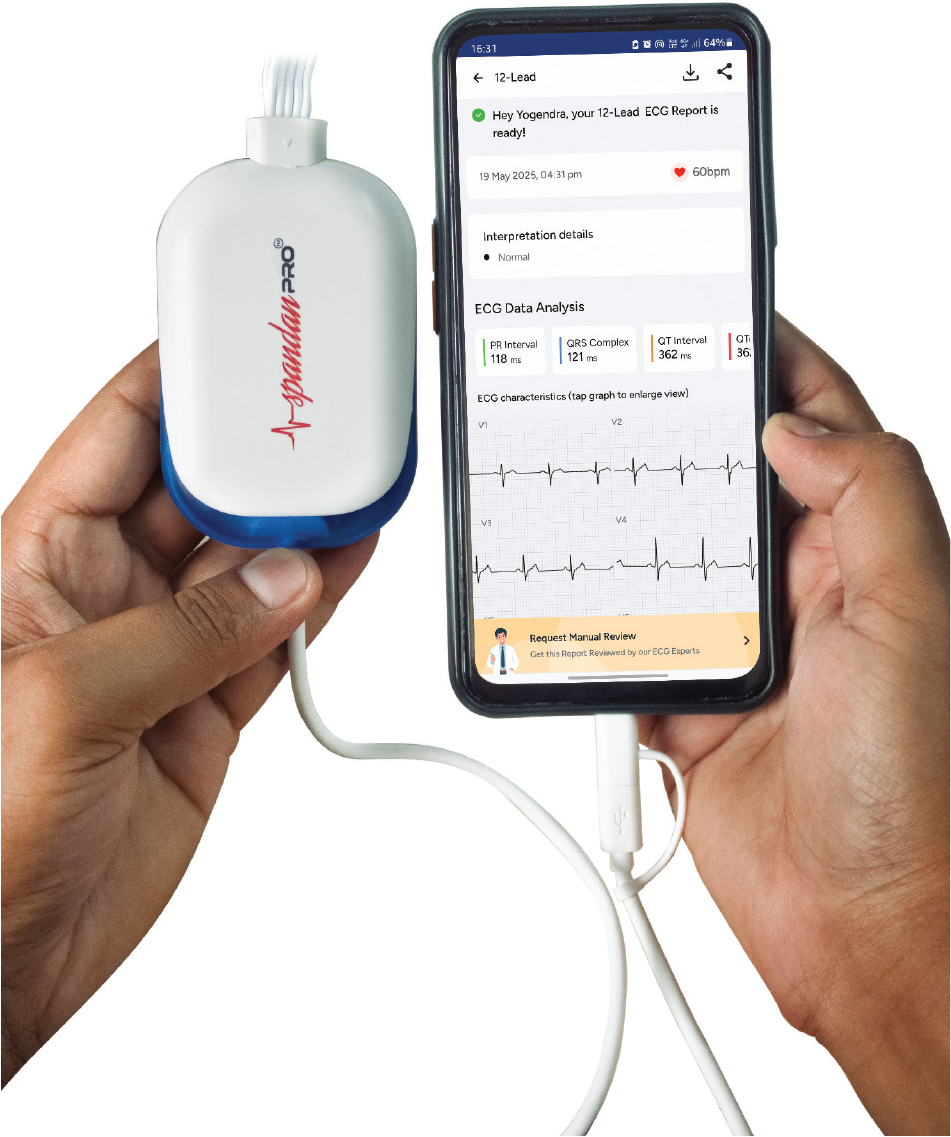
Fig. 1. Spandan Pro ECG device—a smartphone-based device.
The AI algorithm that is integrated within the Spandan device was programmed using datasets with over 100 million cardiac cycles from a large and diverse population of subjects. This methodology was based on sole proprietary neural network models developed by Sunfox Technologies, allowing strong pattern detection and consistent diagnostic performance. The device has obtained regulatory clearance from the Central Drugs Standard Control Organization, is manufactured under ISO 13485 quality standards, and is tested according to IEC 60601 for electrical performance and safety.
Case Presentation
This case report highlights the diagnostic value of the Spandan electrocardiogram (ECG) in detecting ischemic patterns, which was instrumental in the diagnosis of DVD through coronary angiography. The results were compared with the findings of the standard ECG findings.
The patient was part of a larger clinical trial that was approved by the Swami Rama Himalayan University Institutional Ethics Committee (approval number SRHU/HIMS/E-1/2024/07) with CTRI number CTRI/2024/07/071055. A written informed consent was obtained from the patient for the publication of this study and accompanying images.
Patient Information and Clinical Findings
A 67-year-old male presented to the Swami Rama Himalayan University Hospital, Dehradun, on February 15, 2024, with a sudden onset of retrosternal chest pain. At the time of presentation, the patient did not present with commonly related symptoms (e.g. shortness of breath, syncope, palpitation, or gastrointestinal symptoms). The patient had a known history of coronary artery disease (CAD), diagnosed several years prior, for which he had been on regular pharmacological therapy. The patient did not present with comorbidities such as hypertension and diabetes mellitus. His social history revealed that he was a nonsmoker. The anthropometric measurements showed a height of 174 cm (5.71 feet), a weight of 75 kg (165 lb), and a body mass index of 24.8 kg/m², which is within the normal range.
Upon presentation and physical examination, the patient was alert and oriented to time, person, and place. His blood pressure was 110/70 mmHg. He was clinically stable with no signs of hemodynamic compromise. The patient was on a stable regimen of cardiovascular and supportive medications. His ongoing medications included pantoprazole and a fixed-dose combination of clopidogrel and aspirin. In addition, the patient was taking isosorbide mononitrate and atorvastatin.
Diagnostic Assessment
The first diagnostic assessment of the patient involved a 12-lead ECG (Philips PageWriter ECG) at 12:16 PM on February 2, 2025. The ECG revealed significant ST-elevation in leads V1 to V5 and lead I. The ECG showed T-wave inversion in leads V6 and III and biphasic T waves in leads V2 to V5. These findings were interpreted as indicative of anteroseptal MI with the evidence of lateral wall ischemia (Figure 2).
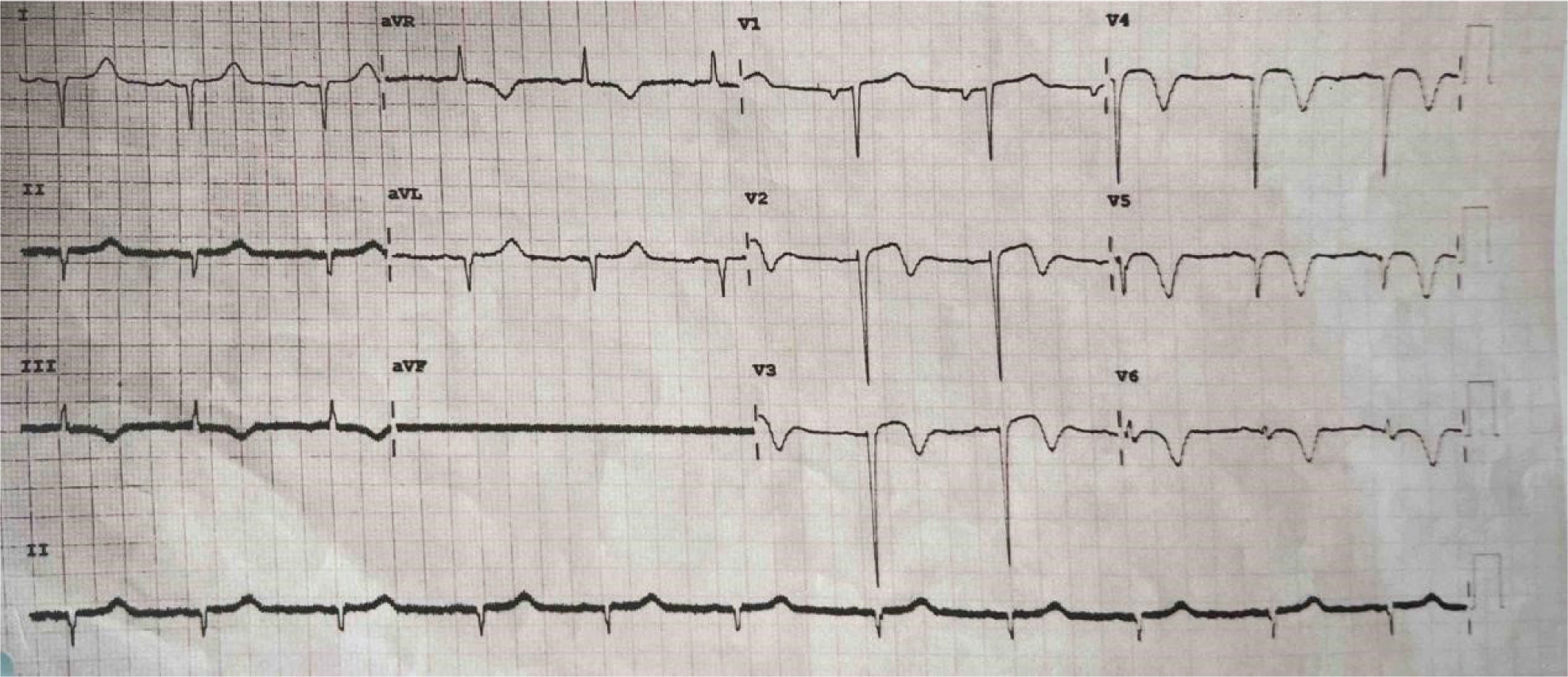
Fig. 2. Standard electrocardiogram in a 67-year-old male with a sudden onset of retrosternal chest pain consistent with anteroseptal MI with the evidence of lateral wall ischemia.
The following day, at 09:00, the patient underwent an ECG once more using the Spandan smartphone-based ECG device. That ECG showed similar results to those of the standard ECG.
The Spandan ECG demonstrated J point elevation in leads V1 to V5, leads III, and AVF. Apart from J point elevation, the ECG showed T-wave inversion in leads V6, I, and AVL. Along with that, the ECG showed biphasic T waves in leads V2 to V5. These findings were also interpreted as indicative of anteroseptal MI with the evidence of lateral wall ischemia. While there were minor differences in the lead-specific manifestations between the standard ECG and Spandan ECG, both indicated ischemic changes affecting anterior and lateral myocardial territories (Figure 3).

Fig. 3. Spandan electrocardiogram in a 67-year-old male with a sudden onset of retrosternal chest pain consistent with anteroseptal MI with the evidence of lateral wall ischemia.
On February 2, 2025 at 5:58 PM, the patient underwent coronary angiography to clarify the extent and severity of CAD. The angiogram revealed a 90% proximal lesion and 90% mid-segment stenosis in the left anterior descending artery (LAD) along with a 90% proximal lesion in the first diagonal (D1) branch. The left circumflex artery (LCX) showed 90% mid-segment stenosis. The Right Coronary Artery Posterior Descending Artery (RCA/PDA) showed a 40% distal lesion and was not considered hemodynamically significant. According to the coronary angiogram, the final diagnosis of the patient was a DVD involving the LAD and LCX. The diagnosis of the coronary angiogram is consistent with the findings of the ECG, diffuse anterior, and lateral ischemia (Figure 4).
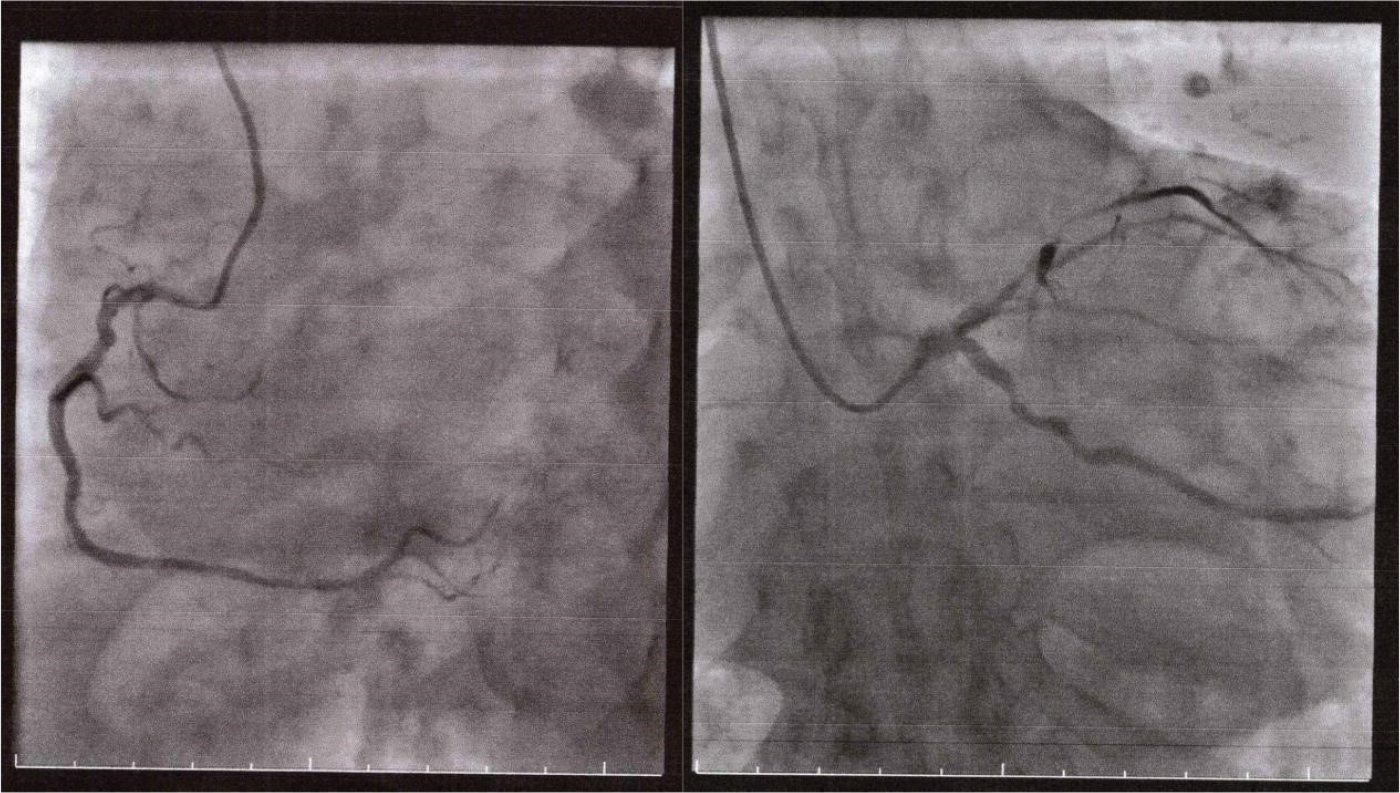
Fig. 4. The diagnosis of the coronary angiogram based on the coronary angiography report is consistent with the findings of the electrocardiogram—diffuse anterior and lateral ischemia.
Therapeutic Intervention
Based on the angiographic reports, the cardiology team advised percutaneous transluminal coronary angioplasty with the placement of a stent in the LAD/LCX arteries. The patient was advised to continue dual antiplatelet therapy, statin therapy, and antianginal medications in anticipation of intervention. The timeline of this case is presented in Figure 5.
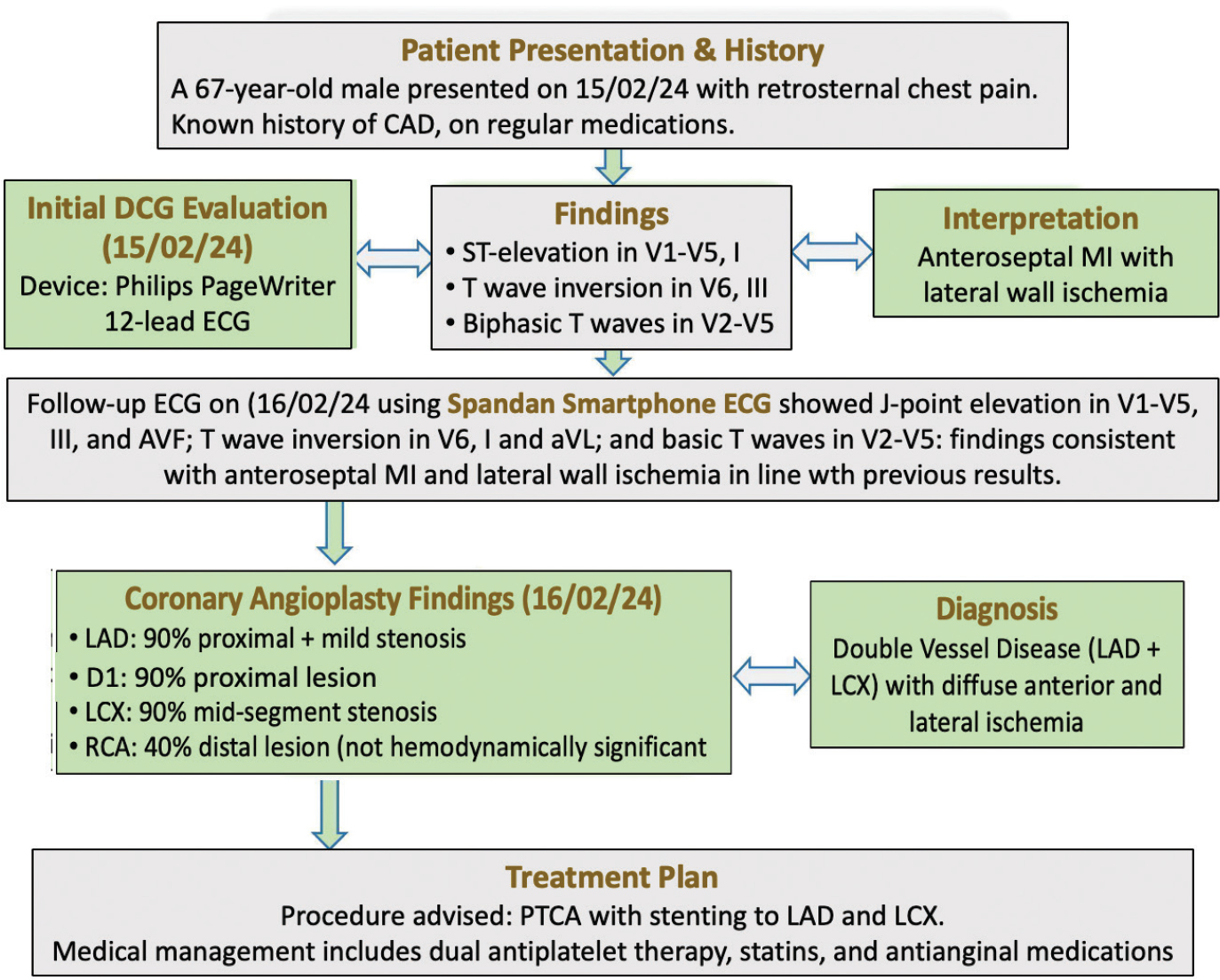
Fig. 5. Timeline of the case report as per CARE: CAse REport. D1: dimensionless index, ECG: electrocardiogram, LAD: left anterior descending, LCX: left circumflex artery, MI: myocardial infarction, PTA: percutaneous transluminal angioplasty.
Discussion
CAD is characterized by the development of atherosclerosis in the coronary arteries, which can sometimes be asymptomatic. It is marked by an inadequate supply of blood and oxygen to the myocardium. The condition arises from occlusion of the coronary arteries and results in a demand-supply mismatch of oxygen. It typically involves the formation of plaques in the lumen of coronary arteries that impede blood flow.5
This case report presents the diagnostic importance of how a smartphone-based ECG device, Spandan ECG, was able to detect ischemic changes consistent with the findings of the standard ECG and was later confirmed through coronary angiography.
In this case, Spandan ECG showed significant diagnostic concordance with the standard 12-lead ECG. Both ECG devices showed J point elevation, ST elevation, T-wave inversion, and biphasic T waves across anterior and lateral leads. These ischemic changes were suggestive of anteroseptal MI with ischemia of the lateral wall. Coronary angiography confirmed the diagnosis of DVD involving the LAD and LCX arteries. This case highlights the potential of Spandan ECG as a reliable tool for early ischemia detection. This diagnostic concordance supports previous findings where the Spandan ECG device was used. Mahajan et al. conducted a cross-sectional, multicentric study on 597 patients to validate the Spandan 12-lead ECG interpretation for accuracy in the detection of Ischemia. This study highlights the potential of the Spandan smartphone ECG in the detection of myocardial ischemia.6
These findings are consistent with those reported by Pandey et al., who also demonstrated the diagnostic capability of the Spandan smartphone-based ECG device. The authors demonstrated comparable accuracy with the standard 12-lead ECG for the diagnosis of ST elevation and helped in making clinical decisions in patients requiring percutaneous coronary intervention (PCI), especially in resource-limited settings.3 Together, these studies establish Spandan as a reliable tool for detecting ischemia and MI, especially in resource-limited or prehospital settings.
Importantly, the presence of ST elevation and biphasic T wave in leads V2 to V5 on Spandan ECG was suggestive of Wellens syndrome, which is indicative of Severe proximal LAD involvement. The diagnosis of Wellens syndrome is based mainly on ECG findings of deeply inverted or biphasic T-waves in Leads V2 and V3 (may also be seen in leads V1, V4, V5, and V6), without any significant ST-segment elevation, along with normal or slightly elevated cardiac enzymes.7 This also correlates with angiographic findings of 90% stenosis in LAD and LCX, indicating the clinical validity of Spandan in localizing Ischemia.
This case report is limited by its single-patient design, which limits the generalizability of results to larger populations. However, it formed part of a larger ongoing clinical trial, thereby providing a supportive clinical context. Although diagnostic concordance between the Spandan smartphone-based ECG and the standard 12-lead ECG with angiographic confirmation is impressive, larger-scale studies are necessary to confirm the accuracy and reliability of the device across a wide range of clinical situations. Furthermore, patient follow-up was lost, which limits the insights into long-term outcomes.
Conclusions
This case demonstrates the diagnostic accuracy of the Spandan smartphone-based ECG and the standard 12-lead ECG in detecting ischemic changes with DVD, which was confirmed by coronary angiography. The accurate detection of anteroseptal MI with ischemia of the lateral wall demonstrates the clinical utility of Spandan in the early detection of extensive CAD. With its portability, cost-effectiveness, and diagnostic accuracy, Spandan is a valuable device for the prompt detection of ischemia in resource-poor or prehospital settings where traditional ECG facilities might not be present.
Patient Perspective
Although a formal patient narrative was not recorded, the patient was reportedly comfortable with the diagnostic approach and appreciated the convenience of using a smartphone-based ECG system. No further subjective statements or feedback were documented.
Author Contributions
Conception and design: Chandra Mohan, Yogendra Singh, Kunal Gururani, Anurag Rawat; Acquisition, analysis, and interpretation of data: Nitin Chandola, Deeksha Agarwal, Kunal Gururani; Drafting the article: Nitin Chandola, Sengar Yashwardhan Pratap Singh, Milan Prabhakar; Revising it critically for important intellectual content: Chandra Mohan, Yogendra Singh, Anurag Rawat, Nitin Chandola; Approved the final version of the manuscript: All authors.
Data Availability Statement (DAS), Data Sharing, Reproducibility, and Data Repositories
De-identified patient data related to this case report are stored securely on a two-step authenticated institutional local server and are available from the corresponding author upon reasonable request. While individual case details are unique, the diagnostic approach and clinical reasoning have been described clearly to allow transparency and educational reproducibility.
Application of AI-Generated Text or Related Technology
Not applicable.
Acknowledgments
The authors express their gratitude to the Department of Cardiology, Swami Rama Himalayan University, Dehradun, India, and Sunfox Technologies Private Limited, Dehradun, India.
References
- Cui K, Lyu S, Song X, Liu H, Yuan F, Xu F, et al. Long-term safety and efficacy of staged percutaneous coronary intervention for patients with ST-segment elevation myocardial infarction and multivessel coronary disease. Am J Cardiol. 2019;124(3):334–42. https://doi.org/10.1016/j.amjcard.2019.04.048
- Marchi E, Muraca I, Cesarini D, Pennesi M, Valenti R. Double coronary artery occlusion presenting as inferior ST segment elevation myocardial infarction and Wellens syndrome type A: a case report. Eur Heart J Case Rep. 2024;8(8):ytae394. https://doi.org/10.1093/ehjcr/ytae394
- Pandey C, Singh Y, Pandey S, Tomar D, Chandola N, Agarwal D, et al. Validation of decisions for percutaneous coronary intervention using smartphone-based electrocardiogram device Spandan: a cross-sectional observational study. Cardiol Res. 2025;16(3):225–37. https://doi.org/10.14740/cr2051
- Terkelsen CJ, Sørensen JT, Nielsen TT. Is there any time left for primary percutaneous coronary intervention according to the 2007 updated American College of Cardiology/American Heart Association ST-segment elevation myocardial infarction guidelines and the D2B alliance? J Am Coll Cardiol. 2008;52(15):1211–5. https://doi.org/10.1016/j.jacc.2008.05.061
- Shahjehan RD, Bhutta BS, Sharma S. Coronary artery disease [Internet]. National Library of Medicine. Treasure Island, FL: StatPearls Publishing; 2024. Available from: https://www.ncbi.nlm.nih.gov/books/NBK564304/
- Mahajan S, Garg S, Sharma R, Singh Y, Nitin Chandola, Bhatia T, et al. Validation of the detection of ischemia using 12 lead smartphone based electrocardiography—a non-randomized, single blinded, cross-sectional, multicenter study. Int J Clin Trials. 2023;10(2):151–5. https://doi.org/10.18203/2349-3259.ijct20231028
- Ghumman GM, Yarlagadda S, Dogra R, Salman F. Deeply inverted and biphasic T-waves of Wellens’ Syndrome: a characteristic electrocardiographic pattern not to forget. Cureus. 2022. https://doi.org/10.7759/cureus.22130
Copyright Ownership: This is an open-access article distributed in accordance with the Creative Commons Attribution Non-Commercial (CC BY-NC 4.0) license, which permits others to distribute, adapt, enhance this work non-commercially, and license their derivative works on different terms, provided the original work is properly cited, and the use is non-commercial. See: http://creativecommons.org/licenses/by-nc/4.0. The authors of this article own the copyright.