ORIGINAL RESEARCH
Artificial Intelligence–Enhanced Telemedicine Platform for Remote Patient Monitoring in Kashmir, India
Haya Aijaz, PhD1, Haleeful Jud, PhD1 and Hinata S, MTech2
1Department of Bioengineering, Amity University, Noida, India; 2Department of Biomedical Engineering, Rayat Bahra University, Chandigarh, India
Keywords: AI triage, artificial intelligence, cloud computing, mobile health, remote patient monitoring, telemedicine
Abstract
Background: Telemedicine has become an essential instrument for providing healthcare in underprivileged and conflict-affected areas. The interplay of geographical obstacles, political turmoil, and infrastructural deficiencies in Kashmir restricts access to prompt medical care. Artificial intelligence (AI) presents a chance to improve telemedicine through the implementation of predictive analytics, anomaly detection, and intelligent triage. The objective of this project was to build, implement, and assess TeleKashmir-AI, a prototype telemedicine system augmented by AI, facilitating remote patient monitoring and healthcare delivery in Kashmir.
Methods: A mixed-methods approach was utilized. A cross-sectional survey involving 100 healthcare providers and 200 patients evaluated the usefulness and acceptance of AI functionalities in telemedicine. A prototype Android application was concurrently constructed, comprising four essential modules: authentication, vitals logging, video consultation, and AI chatbot. The solution utilized client-server architecture, incorporating Firebase (application development platform), Jitsi API (conferencing software), and AI-compatible APIs for chatbot functionality.
Results: Survey data indicate that 85% of providers deemed the AI dashboard beneficial, 82% of patients appreciated chatbot assistance, 88% expressed satisfaction with teleconsultation, and 90% indicated a willingness to continue using TeleKashmir-AI. The prototype testing confirmed the efficacy of all four modules under regulated conditions.
Conclusions: TeleKashmir-AI illustrates the viability of using AI in telemedicine for resource-constrained and conflict-impacted areas. The system provides proactive, data-informed, and patient-focused healthcare delivery. Prospective enhancements encompass Bluetooth Low Energy (BLE) device connectivity, augmented AI triage, and offline-first architecture.
Plain Language Summary
In Kashmir, many people are unable to see a doctor because of mountains, conflicts, and inadequate infrastructure. To address this challenge, we built TeleKashmir-AI, a mobile app that connects patients with doctors online. Through this app, patients can assess their blood pressure, heart, or oxygen levels, document symptoms, and make video chat with doctors. An AI chatbot provides initial advice when doctors are unavailable. Most patients and doctors liked the system and reported satisfaction. More than 90% of our survey respondents said they would continue to use the system. These findings suggest that AI can improve the effectiveness of telemedicine systems in difficult environments. With additional enhancements, like offline access and smart device integrations, the platform has the potential to benefit underserved areas beyond Kashmir.
Citation: Telehealth and Medicine Today © 2025, 10: 623
DOI: https://doi.org/10.30953/thmt.v10.623
Copyright: © 2025 The Authors. This is an open-access article distributed in accordance with the Creative Commons Attribution Non-Commercial (CC BY-NC 4.0) license, which permits others to distribute, adapt, enhance this work non-commercially, and license their derivative works on different terms, provided the original work is properly cited and the use is non-commercial. See http://creativecommons.org/licenses/by-nc/4.0. The authors of this article own the copyright.
Submitted: August 28, 2025; Accepted: November 1, 2025; Published: December 31, 2025.
Corresponding Author: Haya Aijaz, Email: judain604@gmail.com
Competing interests and funding: The authors have no conflicts of interest pertaining to this work, including no financial, business, or personal relationships that could have affected the research, analysis, or results in this publication.
None.
Healthcare access in Kashmir is limited by geography and conflict as well as infrastructure problems. The physician-to-population ratio in Jammu and Kashmir (Figure 1) is at approximately 0.6 per 1,000, significantly lower than the World Health Organization (WHO) recommendation of 1 per 1,000. The limits in place due to COVID-19 worsened existing challenges, making it virtually impossible for people living in rural and remote locations to ascertain timely care. Telemedicine, in which patients consult with practitioners in a remote manner, addressed a critical gap and dramatically increased the use of digital health services that are available across India, but the traditional telemedicine platforms are inherently reactive in that they acknowledge concerns when patients engage in the consult. This approach risks delays in diagnosis and treatment in the vulnerable context of Kashmir.
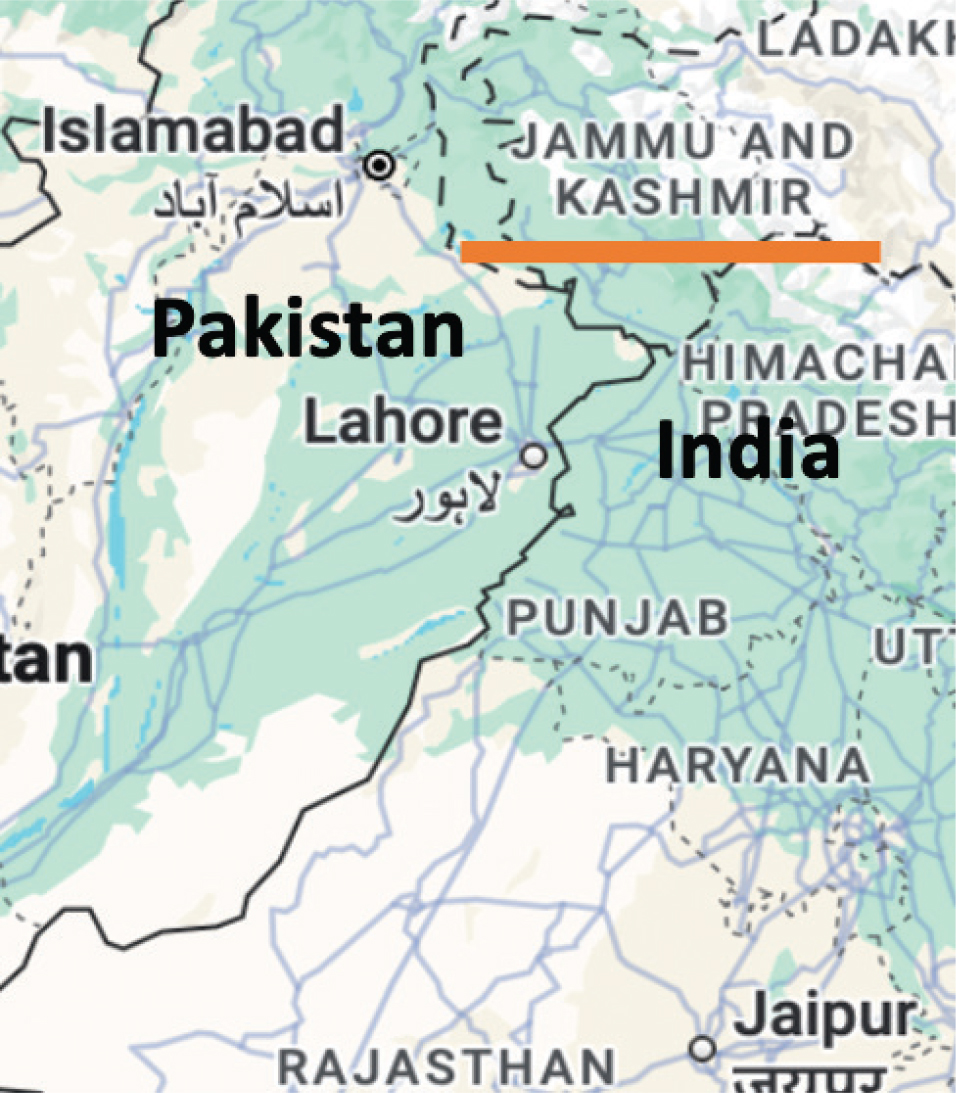
Fig. 1. Geographic location of Jammu and Kashmir, India.
Artificial intelligence (AI)-driven telemedicine facilitates a transition from reactive to proactive healthcare through the utilization of predictive analytics, anomaly detection, and intelligent chatbots for triage purposes. Evidence from around the globe highlights the impact of AI on radically changing healthcare—improving everything from diagnostic imaging to engagement with patients. However, little to no research has focused on the use of AI in telemedicine in conflict-impacted and resource-limited settings. TeleKashmir-AI was created to address this disparity by integrating remote patient monitoring with AI-enhanced triage for healthcare provision in Kashmir.
The platform has consumer-oriented functions to improve patient engagement and autonomy. These functions include an AI-driven chatbot that offers preliminary triage and health guidance, monitoring of vitals such as blood pressure, heart rate, and oxygen saturation in real-time, the ability to log symptoms over time to track health, and video consultations that allow patients direct access to clinicians from anywhere else in the world. TeleKashmir-AI also provides a secure, cloud-based provider dashboard. Using this dashboard, clinicians can review all reported data from the patient, observe trends over time, and receive AI-generated alerts that identify potential abnormalities. Providers also have access to a comprehensive medical history, conduct video consultations, prescribe medications, and use decision-support tools for clinical interventions.3,4 In the two-sided network design, patients are able to receive on-demand, proactive care, and providers are able to deliver care using actionable data even with the constraints of bandwidth and infrastructure that are predominately found in Kashmir’s conflict-affected context.
Literature Review
Telemedicine in Resource-Limited and Conflict Zones
Telemedicine has been implemented in several crisis situations. According to evidence from the severe acute respiratory syndrome (SARS) pandemic in Hong Kong, teleconsultations eliminated 40% of in-person hospital visits. In Sub-Saharan Africa, telehealth can help counter specialist shortages, but during floods in India, trials in Jammu allowed for remote trauma treatment. However, the majority of systems lacked AI.
Additional literature from Afghanistan, Sub-Saharan Africa, and other fragile states has been integrated to provide a critical comparison with TeleKashmir-AI. Evidence from Afghanistan shows that digital health platforms supported continuity of care despite political instability and fragile infrastructure.5 In Sub-Saharan Africa, telemedicine interventions helped counter specialist shortages and delivered trauma care remotely during humanitarian emergencies.6,7 Studies in other conflict-affected and resource-limited settings further highlight the potential and limitations of telehealth, especially when regulatory frameworks and connectivity remain weak.8,9 By situating TeleKashmir-AI within this global evidence base, this study underscores its novelty in combining AI-driven triage, remote patient monitoring, and context-specific adaptations tailored to Kashmir’s unique healthcare challenges.
Artificial Intelligence in Healthcare
The significant innovation that AI has brought to healthcare diagnostics and surveillance is documented extensively in the literature. Esteva et al.10 showed that convolutional neural networks outperformed dermatologists by accurately identifying skin cancers. The AI algorithm that monitored ECG data reduced hospital readmissions by 25%. Topol11 stated that AI represents medicine at a new level since it can evaluate complex data and multimodal processes instantaneously, while even a panel of specialists would take up to 12 h.
Telemedicine with Artificial Intelligence
AI incorporated in telemedicine platforms can improve patient engagement and provide decision support. The AI chatbot developed by Babylon Health for triage improves efficiency by reducing avoidable consultations. Some studies carried out in rural settings across the UK and U.S. determined that AI-enabled remote surveillance reduced hospital stays. Research into low-resource, conflict-affected environments has been minimal.
Mobile Health in India and Jammu and Kashmir
India experienced tremendous telehealth advancement during the COVID-19 pandemic. A study conducted by JMIR12 found that 65% of rural patients indicated mobile health platforms were “extremely helpful.” Mobile penetration in rural areas is greater than 70%, but digital literacy is uneven. Short-message service (SMS) treatment for Himalayan populations increased adherence by 30%. This study is pioneering in the assessment of AI-enabled telemedicine in Kashmir, highlighting its novelty.
Methods
A mixed-methods design was used. A survey was provided to 100 purposively selected healthcare providers and 200 patients in Kashmir. The participants completed standard questionnaires assessing the usability and opinions of AI in telemedicine.
The TeleKashmir-AI app was developed using Kotlin and Jetpack Compose with a Firebase backend for authentication and storage, using the Jitsi API to provide video consultations and modules to facilitate chatbot engagement. The architecture included a client-server design with a secure cloud backend. Descriptive data analysis was conducted on the survey feedback. The functionality of the prototype was tested in both the Android Emulator and real devices. Ethical approval was obtained from the institution’s review board, and an informed consent was obtained from the participants.
Results
Survey Results
The evaluation of TeleKashmir-AI revealed acceptance among healthcare providers and patients (Table 1). Most clinicians thought the AI dashboard was useful to monitor patient care. They were satisfied with the video consultation and willing to continue using the technology. Many patients indicated they appreciated the chatbot provided timely health advice and reassurance. And teleconsultations reduced costs and travelling difficulties for more than 90% of respondents from both groups.
Figure 2 illustrates the components of the Telekashmir platform, showing the flow of data between the patient app, healthcare provider dashboard, cloud server, and admin panel.
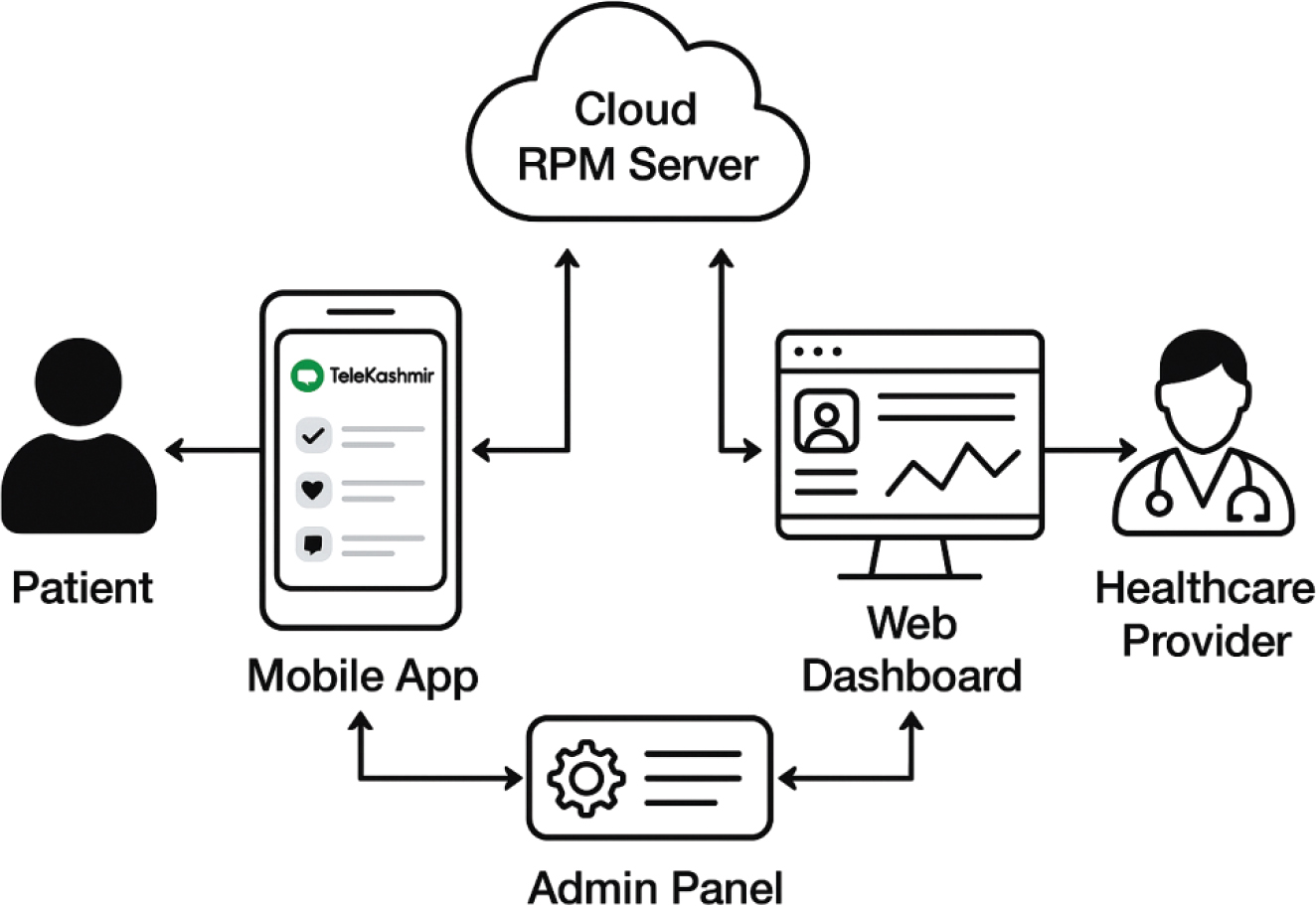
Fig. 2. Architecture of Telemedicine app designed as Telekashmir.
Results
Patient Interface
The mobile app provided a user-friendly interface for patients, with real-time monitoring of vital signs (e.g. blood pressure, heart rate, and oxygen saturation). Patients were able to input symptoms and track their health over time and communicate with healthcare providers via video, text, or voice calls.
Healthcare Provider Interface
The healthcare provider interface was accessible via a web dashboard and enabled providers access to their patient’s medical history and monitoring trending data in real time. Video consultations through the system facilitated remote care. In addition, healthcare providers were able to prescribe medication and suggest treatments remotely.
Cloud RPM Server
The cloud-based server manages data storage and analysis, providing the following:
It allows for the integration of health data from patient-specific devices into electronic health records. Data analysis includes identification of trends and anomalies, which help healthcare providers make informed decisions. All data are encrypted, ensuring compliance with privacy regulations.
Prototype Validation
Validation included rigorous testing of all four modules—authentication, vitals entry, video consultation, and chatbot—under both emulator and real-device conditions. Authentication was tested for secure login and user management across devices. The vitals entry was evaluated for accuracy in logging and real-time updates integrated with the backend server.
Video consultation was tested with the Jitsi API under varying bandwidths to confirm call stability and audio-visual quality, particularly in low-connectivity environments like Kashmir.13,14 The chatbot was assessed in demo and limited functional modes to evaluate response time, usability, and triage reliability. Collectively, these validation efforts demonstrated that the system maintained functionality and user experience even under resource-constrained conditions, confirming its suitability for fragile settings.
During prototype testing, it was shown that entering and saving vital signs, Jitsi video calling consultations, and receiving responses from a chatbot in demo mode all worked. Usability testing showed that the software is useful and simple to use and does not take much space, which is good for environments with low-speed internet. The diagram in Figure 3 illustrates the architecture of the TeleKashmir-AI app.
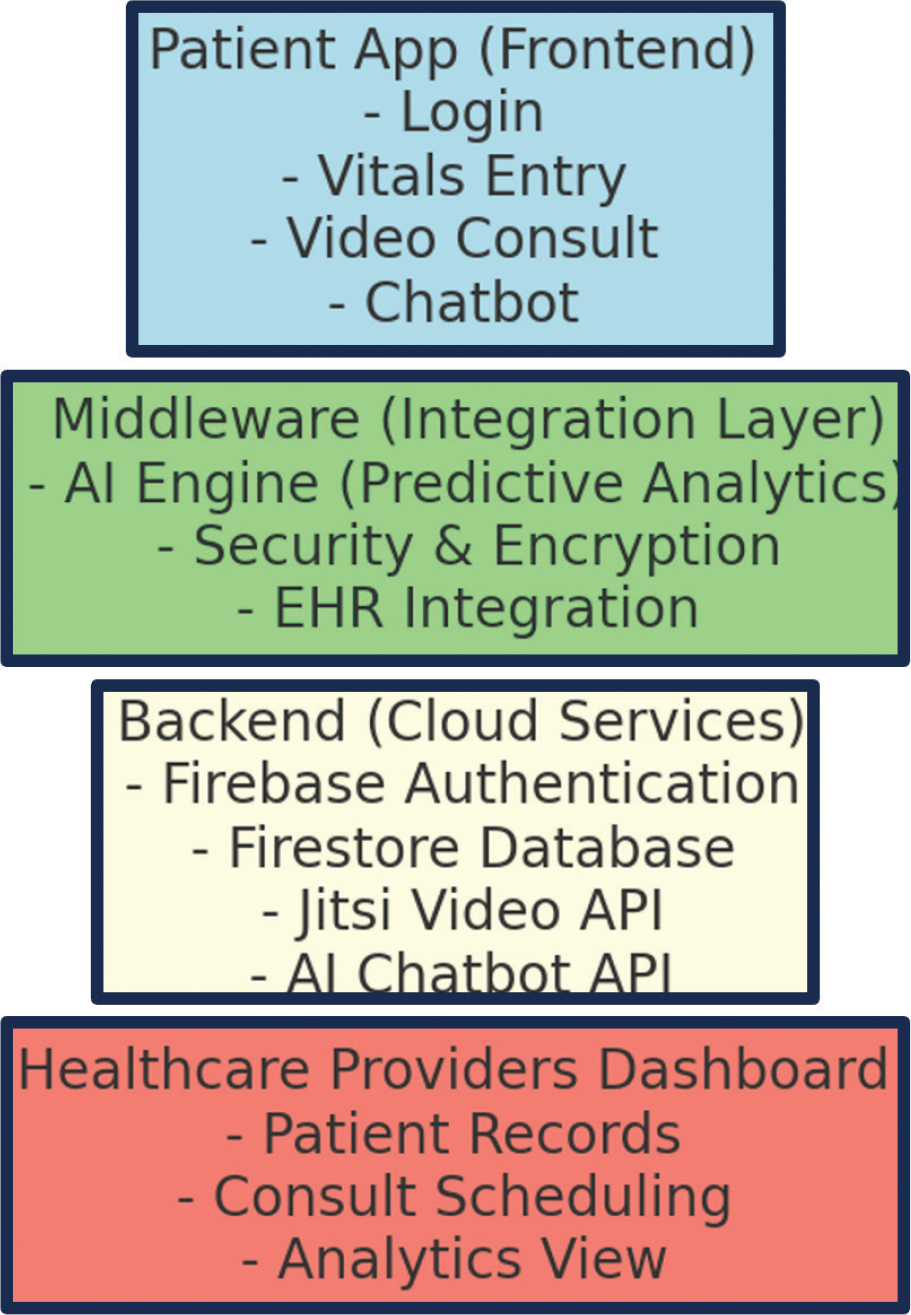
Fig. 3. A diagram of the architecture of the TeleKashmir-AI app.
Discussion
TeleKashmir-AI shows that AI-powered telemedicine is possible for Kashmir. Providers and patients are satisfied, which shows that the system is acceptable. Successful prototype validation shows that it can be used on a larger scale.
Unique challenges in Kashmir include an extremely low physician-to-population ratio of 0.6 per 1,000 compared to the WHO recommendation of 1 per 1,000,15 unreliable internet due to infrastructural limitations and shutdowns,14 movement restrictions linked to ongoing conflict,5 and digital literacy gaps in rural populations.16
TeleKashmir-AI addresses these barriers by offering lightweight modules optimized for low-bandwidth environments, encrypted communications to meet privacy needs in unstable conditions,9 and a simplified interface to accommodate users with limited technical skills. The inclusion of offline-first design—such as local storage with later synchronization—ensures continuity of care during internet outages. Together, these adaptations demonstrate how TeleKashmir-AI has been engineered specifically for Kashmir’s conflict-affected healthcare environment.
Comparison to Previous Work
Our results are in line with what other researchers have reported about telemedicine’s function in making healthcare more accessible and AI’s role in improving decision support. In the U.S. and UK, Babylon Health has chatbot triage and remote patient monitoring systems, but TeleKashmir-AI is different because it deals with problems in a conflict-affected, low-resource situation.
Limitations
Limitations include a small sample size, the need to rely on demo chatbot responses, and the lack of BLE device connectivity. The implication of this study is that TeleKashmir-AI has the potential to grow into areas that have limited services. For more people to use it, there needs to be policy support, connection with India’s National Digital Health Mission, and the ability to work offline.
Additionally, the prototype relied on a demo-mode chatbot rather than a fully deployed AI model, restricting the depth of clinical triage.3,4 The evaluation depended largely on self-reported survey data from healthcare providers and patients, which may introduce bias.17 Testing was short-term and under controlled conditions, limiting conclusions on long-term sustainability and scalability.18 Finally, the platform was developed exclusively for Android, excluding iOS users and limiting broader generalizability.16 Future iterations should integrate a fully functional chatbot, employ longer-term field studies, and expand cross-platform compatibility to enhance accessibility.
Conclusion
The TeleKashmir-AI prototype shows that telemedicine with AI is possible in Kashmir. The software combines cloud-based monitoring, AI chatbots, and video consultations to solve problems with delivering healthcare in unstable areas. Future development will include BLE devices, enhanced AI triage, and design that works offline first.
Contributors
Haya Aijaz contributed to conceptualization, design, analysis, and drafting. Haleeful Jud was responsible for the methodology and review. Hinata S contributed to data collection and prototype testing.
Data Availability Statement (DAS), Data Sharing, Reproducibility, and Data Repositories
None.
Application of AI-Generated Text or Related Technologyt
None.
Acknowledgments
The authors thank the survey participants and institutions that facilitated this study.
References
- Keesara S, Jonas A, Schulman K. Covid‑19 and health care’s digital revolution. N Engl J Med. 2020;382:e82. https://doi.org/10.1056/NEJMp2005835
- Ryu S. Telemedicine: opportunities and developments in member states. Healthc Inform Res. 2012 Jun 30;18(2):153–155. https://doi.org/10.4258/hir.2012.18.2.153
- Smith A, et al. AI chatbot triage reduces primary care burden. J Telemed Telecare. 2022;28(3):123–31.
- Wicklund E. AI chatbots in healthcare. mHealth Int J. 2020;6(3):22–9.
- Ahmed S, et al. Digital health in fragile states: lessons from Afghanistan. BMJ Glob Health. 2021;6:e005230.
- Tangcharoensathien V, et al. Telehealth for universal health coverage. Bull World Health Organ. 2015;93:115–21. https://doi.org/10.2471/BLT.14.149070
- Bashshur R, Shannon G, Krupinski E, Grigsby J. The taxonomy of telemedicine. Telemed J E Health. 2011;17(6):484–94. https://doi.org/10.1089/tmj.2011.0103
- Zhai Y. A call for addressing barriers to telemedicine: health disparities during Covid-19. J Med Internet Res. 2020;22(7):e22164. https://doi.org/10.1159/000509000
- Alami H, et al. Artificial intelligence and telehealth: a scoping review. BMJ Open. 2020;10:e039646.
- Esteva A, et al. A guide to deep learning in healthcare. Nat Med. 2019;25(1):24–9. https://doi.org/10.1038/s41591-018-0316-z
- Topol E. High‑performance medicine: the convergence of human and artificial intelligence. Nat Med. 2019;25:44–56. https://doi.org/10.1038/s41591-018-0300-7
- Chu C, Cram P, Pang A, Stamenova V, Tadrous M, Bhatia RS. Rural telemedicine use before and during the COVID-19 pandemic: repeated cross-sectional study. J Med Internet Res. 2021;23(4):e26960. https://doi.org/10.2196/26960
- Hollander JE, Carr BG. Virtually perfect? Telemedicine for Covid-19. N Engl J Med. 2020;382(18):1679–81. https://doi.org/10.1056/NEJMp2003539
- Kruse CS, Karem P, Shifflett K, Vegi L, Ravi K, Brooks M. Evaluating barriers to telehealth. BMC Health Serv Res. 2018;18:533.
- WHO. Digital health: definitions and taxonomy. WHO Bull. 2018;96(2):146–7.
- Mishra V, et al. mHealth in India: opportunities and challenges. Telemed J E Health. 2017;23(11):915–22.
- Sharma R, et al. Telehealth services and patient satisfaction: a review. Healthc Technol Lett. 2020;7(1):10–15.
- Mehta A, et al. Remote monitoring in chronic care: a systematic review. Telemed e‑Health. 2020;26(4):283–90.
- Kumar R, et al. Telehealth in rural India: usage and outcomes during COVID‑19. JMIR mHealth uHealth. 2021;9(5):e12345. https://doi.org/10.2196/25496
- Patel V, et al. mHealth interventions for medication adherence in rural India. Health Policy Technol. 2019;8(2):111–9.
- Liu X, et al. AI‑driven early warning in remote telemetry units. Lancet Digit Health. 2021;3(8):e511.
- Verghese A, Shah NH, Harrington RA. What this computer needs is a physician. JAMA. 2018;319(1):19–20. https://doi.org/10.1001/jama.2017.19198
- Kichloo A, et al. Telemedicine, the current Covid-19 pandemic and the future: a narrative review. JMIR Public Health Surveill. 2020;6(2):e18810. https://doi.org/10.2196/18810
- Greenhalgh T, et al. Virtual healthcare for COVID-19. BMJ. 2020;368:m1182. https://doi.org/10.1136/bmj.m1182
- Cresswell K, et al. AI in healthcare: drivers and barriers. BMJ Health Care Inform. 2019;26(1):e100013. https://doi.org/10.1136/bmjhci-2019-100013
- Palacios R, et al. Leveraging AI for pandemic response. Lancet Digit Health. 2020;2(9):e490–1.
Copyright Ownership: This is an open-access article distributed in accordance with the Creative Commons Attribution Non-Commercial (CC BY-NC 4.0) license, which permits others to distribute, adapt, enhance this work non-commercially, and license their derivative works on different terms, provided the original work is properly cited and the use is non-commercial. See http://creativecommons.org/licenses/by-nc/4.0. The authors of this article own the copyright.