ORIGINAL RESEARCH
Teleconsultation in Three Rural Health Centers: A Case Study
Yassine Sekkour, PhD Student1  , Abdelaziz Essadike, PhD1 and Elmaati Essoukaki, PhD1
1Sciences and Engineering of Biomedicals, Biophysics and Health Laboratory, Higher Institute of Health Sciences, Hassan First University, Settat, Morocco
Keywords: health system evaluation, Morocco, rural healthcare, teleconsultation, telehealth, telemedicine
Abstract
Background: Telemedicine can be a valuable option for traditional acute, chronic, and preventive care. In Morocco’s High Atlas context, characterized by extreme remoteness, rugged terrain, and centralized health governance, teleconsultation represents a critical but underexplored tool to reduce territorial health inequalities in low-resource settings.
Methods: A pilot teleconsultation program was conducted in three rural health centers of the Azilal (Anergui, Ait Tamlil, and Zaouiat Ahansal) province of Morocco. Findings were assessed based on a mixed-methods case study guided by the Model for Assessment of Telemedicine. Data were collected between January and September 2020 from 12 healthcare professionals through standardized questionnaires, interviews with regional health officials, and a documentary review.
Results: The findings revealed strong acceptability, with 92% of professionals supportive of teleconsultation. However, 83% had received no training, and only 8% declared good digital skills, compared to 67% with moderate skills and 25% with weak skills. Equipment was reported to be functional but remained underutilized; only 42% rated image quality as good, while 8% considered sound quality satisfactory. Activity levels were low, with just 49 teleconsultations over 18 months.
Conclusions: The paradox of high professional acceptance combined with extremely low utilization highlights structural barriers related to governance, training, and organizational integration rather than technological failure. Governance was weak, with no coordinators or procedural guides, and none of the staff knew the national telemedicine law (Law 131-13; Decree 2-18-378). Teleconsultation shows significant potential to enhance healthcare access in rural Morocco. Beyond this national case, the findings provide transferable lessons for other low- and middle-income countries with centralized health systems seeking to deploy telemedicine in geographically constrained rural settings. Its sustainability, however, depends on robust training programs, improved governance, integrated digital systems, and clearer regulatory frameworks.
Plain Language Summary
People living in remote mountain areas of Morocco often struggle to access healthcare because hospitals and specialists are far away. This study evaluated a teleconsultation project implemented in three rural health centers in Azilal Province, High Atlas Mountains, Morocco. Teleconsultation allows local healthcare workers to communicate with distant doctors using digital technology. The results showed that healthcare professionals strongly supporte the project and believed it could improve access to care and medical support for rural populations. However, the system remained rarely used because most staff had not received training, digital skills were limited, and coordination between institutions was weak. Only 49 teleconsultations were conducted over more than 18 months. The study found that the main barriers were organizational and governance problems rather than technological failure. The findings highlight that teleconsultation could significantly improve rural healthcare in Morocco if supported by:
- better training,
- stronger coordination,
- reliable digital systems, and
- clearer legal guidelines.
Citation: Telehealth and Medicine Today © 2026, 11: 643
DOI: https://doi.org/10.30953/thmt.v11.643
Copyright: © 2026 The Authors. This is an open-access article distributed in accordance with the Creative Commons Attribution Non-Commercial (CC BY-NC 4.0) license, which permits others to distribute, adapt, enhance this work non-commercially, and license their derivative works on different terms, provided the original work is properly cited and the use is non-commercial. See http://creativecommons.org/licenses/by-nc/4.0. The authors of this article own the copyright.
Submitted: November 6, 2025; Accepted: April 18, 2026; Published: June 19, 2026
Corresponding Author: Yassine Sekkour, Email: yassine_sekkour.doc@uhp.ac.ma
Competing interests and funding: The author declares no conflicts of interest related to this study.
This research received no external funding or institutional financial support. The article processing charge (APC) and all publication-related expenses were personally covered by the author.
Ensuring equitable access to healthcare remains one of the most pressing challenges in rural and mountainous regions, where geographical isolation and the scarcity of medical infrastructure limit the availability of essential services. In Morocco, the province of Azilal, situated in the Central High Atlas, exemplifies these difficulties, as large segments of the population reside at considerable distances from the nearest health facilities, often under harsh topographic and climatic conditions.1,2 Such constraints reduce primary healthcare coverage and access to specialized medical services.3,4 These structural inequalities are exacerbated by centralized health governance and limited specialist availability in remote mountain areas, making innovative service-delivery models particularly necessary.
Telemedicine has emerged internationally as a strategic response to these disparities. The World Health Organization (WHO) defines it as the provision of health services at a distance by professionals through information and Information and Communications Technology (ICT).5 It facilitates clinical acts such as teleconsultations and enhances coordination between patients, local providers, and distant specialists. In many countries, telemedicine has been integrated into national health strategies to reduce inequality in service provision.6,7
Evidence from low- and middle-income countries shows that telemedicine can significantly improve access to care in rural settings, provided that governance, training, and infrastructure are adequately aligned. Across Africa, telemedicine development remains heterogeneous. Some countries have recently adopted structured national strategies. For example, Côte d’Ivoire has launched one of the first national telemedicine plans in sub-Saharan Africa, particularly strengthened during the COVID-19 crisis to coordinate referrals and avoid unnecessary patient transfers between levels of care. In contrast, several studies from Nigeria and other African contexts highlight that telemedicine remains underutilized and insufficiently institutionalized, calling for broader expansion to ensure both epidemic preparedness and equitable access to quality healthcare. These experiences illustrate that successful implementation depends not only on technology, but also on governance, workforce preparation, and integration into routine health services.
Morocco has followed this global trend by embedding telemedicine in its national Health Plan 2025, recognizing it as a key pillar for strengthening healthcare access in underserved areas.8 Furthermore, unlike countries that have clearly incorporated telemedicine into the basic package of services offered by primary health centers and hospitals, Morocco still lacks a fully operational and standardized national framework for routine telemedicine practice. Most initiatives are implemented through temporary collaborations with international partners or civil society organizations, which may limit sustainability, institutional ownership, and long-term system integration. However, the translation of national telemedicine strategies into effective local practice remains uneven and insufficiently documented.
In 2018, a pioneering teleconsultation initiative was introduced in Morocco through collaboration between the Ministry of Health and the Moroccan Society of Telemedicine. The program included three rural health centers in the province of Azilal (Anergui, Ait Tamlil, and Zaouiat Ahansal), each equipped with teleconsultation tools and integrated into a network designed to mitigate the impact of remoteness on service delivery.9 Unlike many telemedicine initiatives in sub-Saharan Africa that are externally funded or non-governmental organization (NGO)-driven, this program was embedded within a national policy and legal framework. Despite substantial investment, challenges related to coordination, communication between stakeholders, and governance mechanisms limited the pace of deployment and contributed to very low consultation volumes, ultimately constraining the overall performance of the project. Despite this innovative effort, systematic evaluations of its implementation and outcomes remain scarce.
The present study aims to assess the effectiveness of this teleconsultation project using a multidimensional framework. The evaluation encompasses human aspects (acceptance by patients and professionals, training), technological aspects (infrastructure, connectivity), organizational aspects (coordination, referral pathways), and regulatory dimensions. To achieve this, the study employs the Model for Assessment of Telemedicine (MAST), widely applied in European contexts, along with complementary frameworks such as those developed by the French National Agency for Performance Support (ANAP). Applying these frameworks to a rural Moroccan context allows for an original contribution by testing their relevance beyond high-income health systems. These approaches permit a structured appraisal that accounts for both systemic complexity and the local context of implementation.10,11,12
Analyzing this Moroccan case study contributes to a growing body of evidence on the integration of telemedicine in low- and middle-income countries. More specifically, it highlights how geographical constraints, weak governance, and limited training can undermine telemedicine performance even when technology and political commitment are present. By explicitly documenting the barriers encountered in a Moroccan rural setting, this study provides comparative insights for African and other low-resource health systems seeking to move from pilot telemedicine projects toward sustainable, institutionalized services.
The findings are expected to provide practical recommendations for policymakers and health professionals to improve the sustainability, effectiveness, and equity of teleconsultation services, particularly for vulnerable rural populations. The present study situates the Moroccan experience within the broader landscape of rural telemedicine initiatives across Africa and other low-resource settings, thereby providing comparative evidence that clarifies the contextual determinants of telemedicine success and failure in low- and middle-income health systems.
Geographic Area of The Study
Geographical Characteristics and Implications for Telemedicine
The province of Azilal is located in the Central High Atlas Mountains of Morocco, a region characterized by rugged terrain, harsh climatic conditions, and significant geographical isolation.13 The mountainous environment makes physical access to healthcare particularly challenging, as many communities remain far from urban centers and provincial hospitals (Appendix).
The provincial hospital of Azilal represents the main referral structure, yet several rural communes are situated at considerable distances from this facility, with long travel times due to road conditions and topographic barriers.14 The present study focuses on three rural health centers with maternity units: Anergui, Ait Tamlil, and Zaouiat Ahansal. These centers were among the first to be integrated into the national teleconsultation program in 2018. They serve populations ranging from 3,638 inhabitants in Anergui to more than 20,000 in Ait Tamlil. All three are located more than 80 km from the provincial hospital of Azilal, with travel times by car exceeding two and a half hours under normal conditions. Such isolation underlines the strategic importance of telemedicine as a tool to reduce barriers to healthcare access.
The study area presents a highly heterogeneous topography. Altitude varies considerably, from 1,158 ft (353 m) to over 12,467 ft (3,800 m) a.s.l., with vast high-mountain zones exceeding 8,202 ft (2,500 m) a.s.l. Such elevation gradients, combined with rugged terrain and steep valleys (characterized by inclinations above 15% to 20%), create significant constraints for physical accessibility to health facilities, including a mosaic of orientations, influencing microclimates, solar exposure, and, indirectly, settlement distribution.
These geographical features directly affect the organization of healthcare delivery. The dispersed settlements in high-altitude, steeply sloped areas remain difficult to access for patients and mobile health teams, resulting in reduced continuity of care. In this context, telemedicine offers a crucial alternative, as it mitigates the impact of terrain barriers by allowing remote consultations and specialist input without the need for long-distance travel. However, the same geographical constraints that limit access to care also hinder the infrastructure required for telemedicine, such as stable electricity supply and reliable internet connectivity in mountainous villages. Therefore, while telemedicine represents a promising solution to bridge healthcare gaps in this region, its effectiveness depends on addressing the infrastructural challenges imposed by the area’s rugged topography.
Epidemiological Profile of the Azilal Province
The province of Azilal faces a diverse epidemiological burden that directly reflects both chronic non-communicable diseases and infectious conditions typical of rural environments. Hypertension and diabetes represent the most prevalent conditions, with 26,938 and 36,592 patients, respectively, under medical follow-up, corresponding to prevalence rates of 4,862 and 6,605 per 100,000 inhabitants. Other conditions of concern include conjunctivitis (889/100,000), cutaneous leishmaniasis (48/100,000), and tuberculosis (31/100,000). These pathologies highlight the dual epidemiological transition of the region, where chronic diseases coexist with persistent endemic and infectious diseases.15
Methods
Population and Sampling
The study population included a total of 14 participants directly involved in the implementation and management of the teleconsultation project. This comprised 12 healthcare professionals working across the three rural health centers (four in each facility), including polyvalent nurses and midwives actively engaged in teleconsultation activities. In addition, two decision-makers from the Regional Health Directorate of Béni Mellal–Khénifra were included, given their role in overseeing and coordinating the pilot program.
A purposive sampling strategy was adopted, selecting participants based on their direct involvement and operational responsibilities within the teleconsultation initiative. The limited number of healthcare professionals reflects the structural reality of rural healthcare in Morocco, where human resource scarcity is a persistent challenge, particularly in remote and mountainous areas such as the Central High Atlas. These health centers operate with minimal staffing levels, a situation largely explained by geographical enclavement, difficult living conditions, and limited professional attractiveness, which discourage healthcare workers from seeking or maintaining posts in these locations.
Consequently, the 12 professionals surveyed represent the entirety of the available workforce directly involved in teleconsultation at the three pilot sites. While this sample size limits statistical generalizability, it is methodologically appropriate for an exploratory, in-depth case study aiming to evaluate an early-stage telemedicine intervention within a highly constrained rural context. The inclusion of regional decision-makers further strengthens the analytical scope by integrating both operational and governance perspectives into the evaluation.
Data Collection
Three complementary sources of data were mobilized to ensure a comprehensive and multidimensional evaluation of the teleconsultation project.
First, a standardized self-administered questionnaire was distributed to all healthcare professionals directly involved in teleconsultation activities across the three rural centers (N = 12). The instrument comprised 61 closed-ended items organized into two sections: (1) sociodemographic and professional characteristics and (2) evaluation of teleconsultation practices. The questionnaire design was guided by the core domains of MAST and covered human factors (training, digital skills, and professional acceptability); technological aspects (availability, functionality, image and sound quality, consultation duration, and frequency of use); organizational dimensions (coordination, scheduling, availability of guidelines, and procedures); and legal and regulatory awareness. Most variables were measured using five-point Likert scales, allowing participants to rate perceived usefulness, difficulty, and agreement levels.
The questionnaire was developed specifically for this study and adapted from international telemedicine evaluation tools. Content validity was ensured through expert review by public health researchers and regional health managers, who assessed the clarity, relevance, and completeness of items. The instrument was subsequently pilot-tested with a small group of healthcare staff to verify comprehension and feasibility, and minor adjustments were made accordingly to improve wording and usability.
Second, semi-structured interviews were conducted with two decision-makers from the Regional Health Directorate. A thematic interview guide explored issues related to project governance, coordination mechanisms, logistical and technical constraints, partner involvement, and perspectives for sustainability. With participants’ consent, interviews were audio-recorded, transcribed verbatim, and analyzed using thematic content analysis, allowing recurrent themes to be identified and interpreted systematically.
Finally, a documentary review complemented primary data sources. This review included teleconsultation activity records (number of acts performed and specialties involved), inventories of equipment supplied by the Moroccan Society of Telemedicine, regional epidemiological profiles, and official regulatory texts governing telemedicine in Morocco (royal decrees, ministerial orders, and partnership agreements). These materials provided contextual and administrative information to triangulate and validate findings from questionnaires and interviews (Table 1).
Studied Variables
Variables were categorized according to four main evaluation dimensions:
- Human resources: Age, sex, years of professional experience, training received, mastery of information and ICT, acceptance of the teleconsultation system, and its impact on interprofessional relations and work quality.
- Technological: Includes the availability and functioning of equipment (cameras, a connected stethoscope, an electrocardiogram [ECG], etc.), perceived quality of sound and image, average duration of teleconsultation, and the absence of an electronic medical record (EMR).
- Organizational: The presence of a project coordinator, planning of teleconsultations, follow-up procedures, availability of guidelines, supply of medicines, and knowledge of patient care pathways.
- Legal: Knowledge of the regulatory texts governing teleconsultation, in particular Law 131-13 and Decree number 2-18-378.
Data Processing and Analysis
Quantitative data were entered into Excel spreadsheets and analyzed using the Sphinx software. Descriptive statistics (frequencies and percentages) were applied to illustrate overall trends. Contingency tables were used to examine the distribution of variables across the different sites.
Qualitative data were obtained from transcripts of the interviews, which were subjected to thematic content analysis. Statements were coded according to emerging categories (coordination, communication, governance, and human resources issues) and interpreted inductively.
Application of the Model for Assessment of Telemedicine
To guide the evaluation, the investigators employed MAST, a comprehensive framework widely used in Europe for the assessment of telemedicine interventions. Developed under the Metho-Telemed project, MAST provides a structured, evidence-based approach that extends beyond clinical effectiveness to include human, technological, organizational, economic, social, and legal dimensions.16 The model is designed to support decision-makers in determining the added value of telemedicine by integrating multidisciplinary perspectives and enabling comparison across diverse healthcare contexts.
Although originally developed and widely applied in European health systems, the principles underlying MAST are consistent with international experiences in telemedicine governance. Notably, large-scale assessments conducted by ANAP analyzed 25 mature telemedicine projects and highlighted key success factors such as strong medical leadership, dedicated coordination, structured workflows, staff training, and sustainable organizational models.17
These determinants closely mirror the challenges faced in low- and middle-income countries, including Morocco, where telemedicine initiatives often struggle with governance, human resources, and operational integration rather than technology alone. The Azilal teleconsultation program evaluated in this study, implemented within the framework of national digital health efforts and among the first structured public telemedicine projects deployed in rural Morocco, can therefore be considered part of this broader generation of organized telemedicine experiments. Applying MAST in this context allows the project to be assessed using internationally recognized standards while adapting the framework to the realities of resource-constrained and geographically isolated settings.
In this study, MAST was operationalized through a set of context-specific indicators, adapted to the realities of rural and resource-constrained settings. Each core domain of the model was translated into measurable and observable variables during data collection and analysis. The human dimension was assessed through indicators related to professional acceptability of teleconsultation, training received, digital literacy, and perceived impact on work practices. The technological dimension focused on the availability, functionality, and perceived quality of equipment, including image and sound quality, connectivity, and the presence or absence of EMR. The organizational dimension was examined through variables related to project governance, coordination mechanisms, scheduling of teleconsultations, availability of procedural guidelines, and clarity of patient referral pathways.
Finally, the legal and regulatory dimension was explored by assessing healthcare professionals’ awareness of national telemedicine regulations, particularly Law 131-13 and Decree No. 2-18-378, as well as the existence of operational guidance on consent and data protection. By explicitly mapping MAST domains to empirical indicators, the study ensures a systematic and transparent evaluation framework that captures both structural and functional determinants of teleconsultation performance in Azilal. This operationalization allows for a rigorous interpretation of results while preserving comparability with international telemedicine evaluations. The application of MAST in a rural Moroccan context further contributes to testing the relevance of this model beyond high-income health systems, aligning the evaluation with international best practices in digital health assessment (Figure 1).17
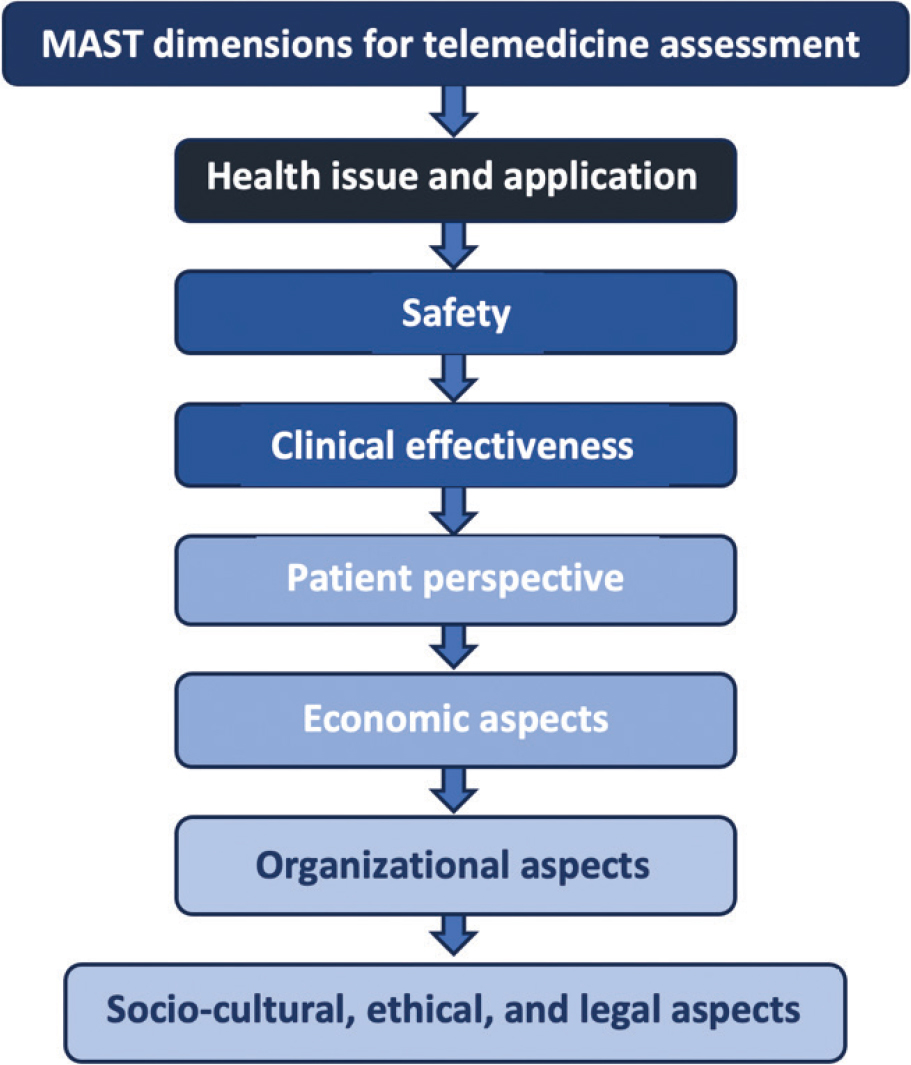
Fig. 1. Flowchart of the MAST (Model for Assessment of Telemedicine) dimensions.
Results
Sociodemographic Characteristics of Participants
The sample consisted of 12 healthcare professionals, evenly distributed across the three study sites, with four participants per center. The workforce was composed exclusively of nurses (n = 6, 50%) and midwives (n = 6, 50%), while no doctors, health technicians, or administrative staff were represented. This structure highlights the absence of physicians in these rural health centers, leaving polyvalent nurses and midwives as the sole providers of primary care and the direct actors in teleconsultation.
Most participants (92%) were women, reinforcing the predominance of female staff in frontline service delivery. The dominant age group ranged from 20 to 35 years, which indicates a young and potentially adaptable population with regard to the use of new technologies. However, more than half of the professionals (58.3%) had less than 1 year of seniority in their current centers, which might explain a degree of team instability and a lack of locally accumulated experience. This combination of youth limited professional diversity, and high staff turnover underscores both the opportunities and the challenges for telemedicine: while the staff are receptive to innovation, the absence of doctors and the relative inexperience of teams increase their reliance on remote specialist support and structured training (Table 2).
Training and Technological Proficiency
A significant training gap was observed, as 83% of healthcare professionals reported receiving no instruction in the use of the teleconsultation system. Furthermore, none of the participants had been introduced to telemedicine during their academic curriculum, reflecting a structural shortfall in the integration of medical information and ICT within Moroccan health education. Regarding digital proficiency, only 8% of respondents considered themselves highly competent, while 67% reported an intermediate level and 25% acknowledged limited skills (Figure 2). This lack of expertise represents a major obstacle to the effective adoption of the teleconsultation system.
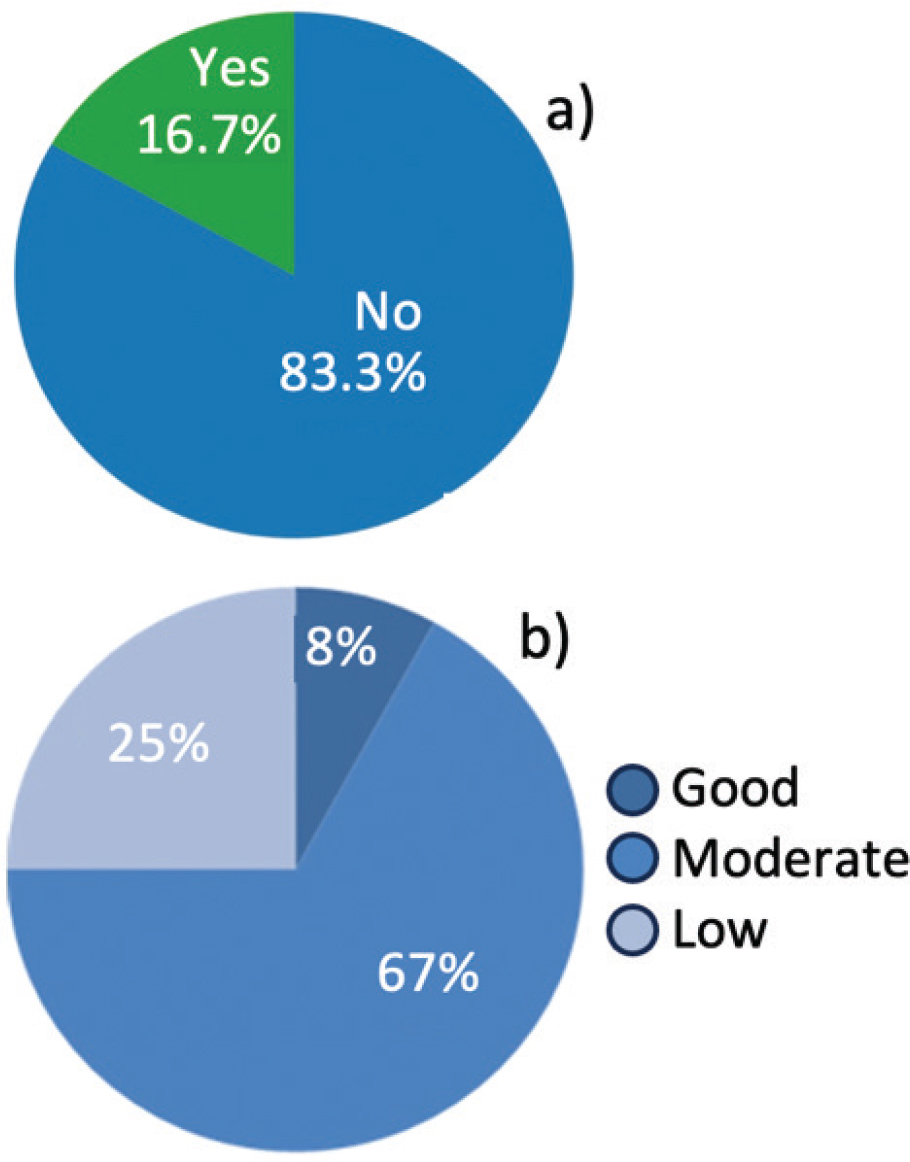
Fig. 2. (a) Training in the use of the teleconsultation system. (b) Digital proficiency of health center staff.
Acceptability of Teleconsultation
Despite the shortcomings in training, the study highlights a high level of acceptability of teleconsultation, with 92% of respondents expressing a favorable opinion. More than half of the participants (58%) supported the delegation of medical tasks under the supervision of remote physicians, while 42% remained reluctant to do so (Figure 3a). The majority also perceived teleconsultation as a vector for skills transfer, particularly in the use of equipment such as ultrasound devices and in learning through real-life clinical practice. Nevertheless, only one-third of the respondents (33%) reported that teleconsultation significantly improved their work efficiency, whereas two-thirds (67%) considered its impact limited (Figure 3b). These results suggest that, although the system enjoys strong acceptance and is valued for its capacity-building potential, its contribution to daily efficiency remains underexploited, likely due to insufficient training, organizational support, or operational clarity (Figure 3).
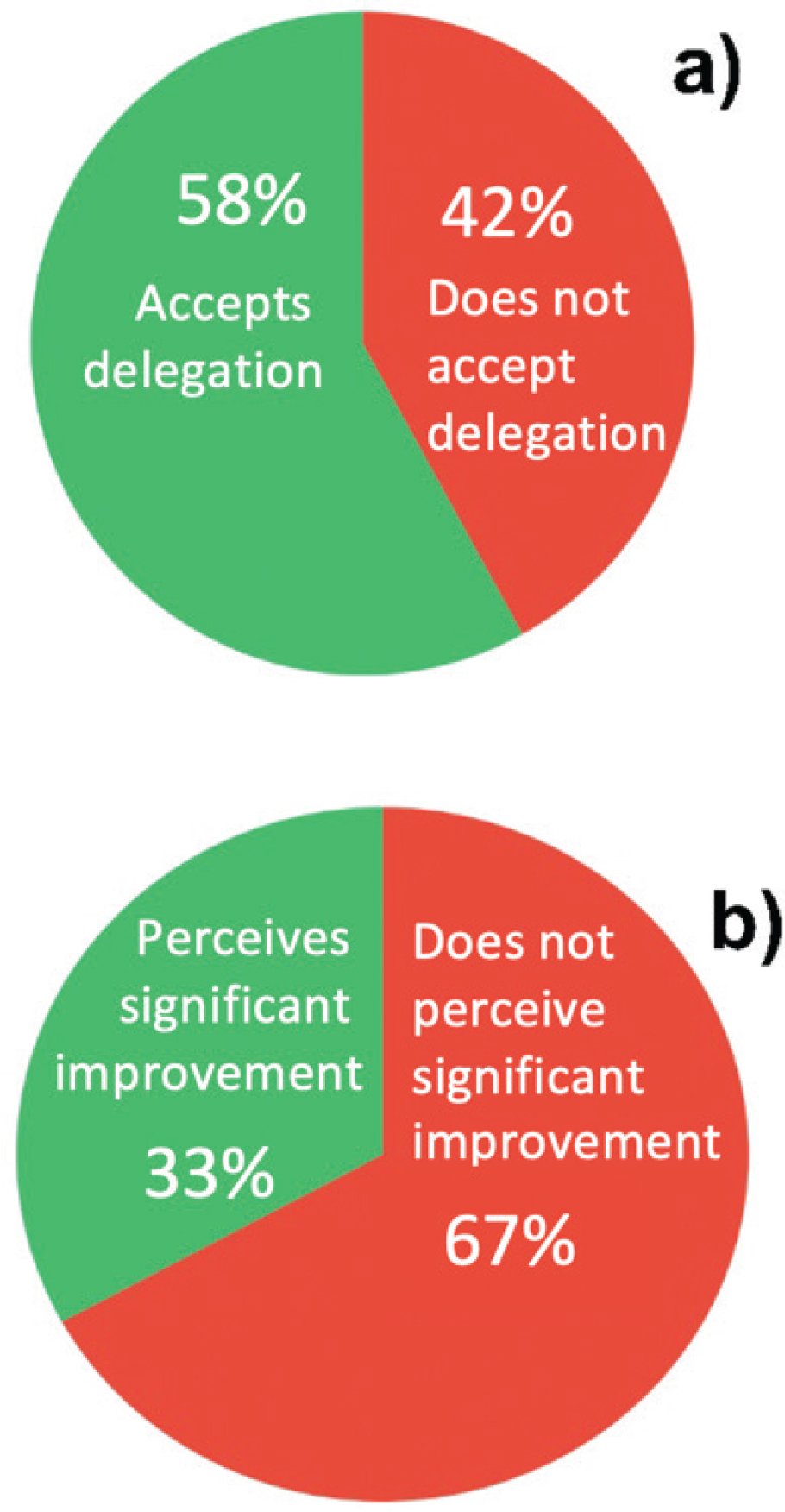
Fig. 3. Perceptions of teleconsultation: (a) acceptance of task delegation and (b) impact on work efficiency.
Technological Dimension
Each health center was equipped with a range of devices intended to support teleconsultation, including a high-definition camera, oximeter, ECG, otoscope, Wi-Fi router, and tablet. The inventory showed that some equipment was common to all three centers, such as automatic pressure monitors, teleconsultation units, oximeters, Wi-Fi routers, and mobile phones, all of which were reported as functional. However, other items were unevenly distributed: for example, only Anergui received an ECG machine and an ultrasound probe, while Zaouiat Ahansal and Ait Tamlil did not. Similarly, microscopes, dermatological probes, and stethoscopes were available in only two centers. This unequal allocation created disparities in diagnostic capacity and limited the standardization of teleconsultation practices across sites (Table 3).
Despite the functionality of the available equipment, its use remained limited, mainly due to insufficient training and the absence of clear operational procedures. Quality assessments reflected this underuse: 42% of respondents judged image quality as good, but only 8% considered sound quality satisfactory, with 67% rating it as average or poor (Table 4). The average duration of a teleconsultation ranged from 10 to 20 min for half of the participants, suggesting brief encounters that may not fully exploit the potential of the technology. Furthermore, none of the sites had an electronic patient record (EPR) or an electronic prescription system, restricting both the traceability of acts performed and the integration of teleconsultation into routine patient care. Together, these findings underline a paradox: while equipment was provided and operational, its unequal distribution, lack of structured use, and absence of digital medical records significantly limited the overall effectiveness of the teleconsultation program.
Organizational Dimension
The governance of the project presented serious shortcomings, marked by the absence of designated coordinators in the centers, the lack of follow-up meetings, and insufficient formal communication between the different levels of decision-making. Only the Anergui site had a formal schedule for teleconsultations. None of the centers had received a procedural guide, and most professionals were unaware of the official channels for referring patients to teleconsultation. This lack of organization jeopardized the sustainability of the project and limited its impact.
Material Resources and Activity Records
The analysis of the equipment provided revealed significant inequalities among sites, as some health centers received advanced tools such as an ultrasound device or a connected stethoscope, while others were left without these resources. This unequal distribution limited diagnostic capacity and reduced the standardization of teleconsultation practices across the study sites.
With regard to activity, only 49 teleconsultation sessions were carried out over a period exceeding 18 months, including 24 sessions in Zaouiat Ahansal, 25 in Anergui, and only 2 in Ait Tamlil. These figures indicate a marked underutilization of the installed technology. The very low number of teleconsultations reflects not a lack of healthcare needs, but rather the absence of structured workflows, designated coordinators, formal scheduling mechanisms, professional incentives, and adequate training for healthcare staff, all of which constrained the routine integration of teleconsultation into daily clinical practice.
Regulatory Aspects
All participants reported having no knowledge of the legal framework governing teleconsultation in Morocco (Law 131-13 and Decree 2-18-378). No training module or informational material had been made available to them, and local managers had not received specific instructions on the procedures for informed consent or the traceability of exchanged medical data.
Results of Interviews
The interviews conducted with the head of the regional healthcare services and the provincial delegate provided a broader understanding of the challenges. Both acknowledged the strategic importance of the project but underlined the limited involvement of the Ministry of Health in the deployment process. They highlighted weak coordination with the Moroccan Society of Telemedicine, insufficient communication, and a lack of mobilization of local human resources. They recommended the establishment of a regional teleconsultation hub, a revision of the legal framework, and the development of a motivation strategy to retain healthcare professionals in rural areas.
Discussion
The findings of this study demonstrate that despite the strong acceptability of teleconsultation among healthcare professionals in rural Morocco, numerous obstacles hinder its deployment and effective integration into the local health system. Similar patterns have been reported in other low- and middle-income contexts. In India and Burkina Faso, for instance, high levels of acceptability were also observed, but only when professionals benefited from continuous training and institutional support.18 The absence of structured training in Morocco reflects a broader structural challenge across Africa, as highlighted by the WHO’s global eHealth survey, which emphasizes the decisive role of capacity-building in the success of telemedicine initiatives. From a technological perspective, the underutilization of available equipment in the Azilal centers mirrors findings from rural telehealth programs in sub-Saharan Africa, where inadequate technical support and weak information systems limited the efficiency of remote care.19 In contrast, countries such as Canada and Australia have demonstrated that teleconsultation thrives when embedded within secure, interoperable platforms linked to electronic health records, ensuring both continuity of care and traceability.10 In this context, governance and regulatory gaps in Morocco are not unique. A study in North Africa and the Middle East underscored the limited dissemination of telemedicine laws and the lack of operational guidelines, which remain barriers to effective implementation.19
These comparative insights confirm that while Morocco’s challenges are substantial,20 they align with global patterns observed in the early stages of telemedicine development, reinforcing the need for integrated approaches that combine training, infrastructure, governance, and legal frameworks. These comparative insights confirm that Morocco’s difficulties are not unique but characteristic of early-stage telemedicine systems in low- and middle-income countries, where technology alone cannot compensate for weaknesses in training, governance, and institutional integration.
Acceptability and Human Potential
One of the major strengths highlighted in this study is the strong adherence of healthcare personnel to teleconsultation. The high acceptability rate (92%) reflects a genuine interest in the tool, which constitutes a powerful driver for adoption, provided that adequate training and continuous support mechanisms are implemented. This result is consistent with findings in other low- and middle-income countries. For instance, in Ethiopia, a telehealth pilot project reported positive attitudes from rural health workers, who viewed teleconsultation as an opportunity to overcome geographic isolation, though they emphasized the need for ongoing technical support.21 Similarly, research in Brazil demonstrated that frontline staff quickly adopted telemedicine when it was perceived as a facilitator of knowledge transfer and professional development.22 However, evidence also suggests that acceptability alone is insufficient to ensure sustainability.
A study in South Africa showed that despite favorable perceptions, the absence of incentives, clear protocols, and integration into existing health workflows often led to underutilization of telehealth services.23 High acceptability, therefore, represents a necessary but not sufficient condition for success; without structured training, institutional engagement, and alignment with local health priorities, the enthusiasm of healthcare workers risks remaining untapped.
The Moroccan case thus reinforces a global pattern: telemedicine generates interest and motivation among rural health professionals, but its long-term impact depends on systemic support, regular training, and the creation of a governance framework that translates favorable attitudes into sustainable practice. This directly explains why the high acceptability observed in Azilal did not translate into routine use, reinforcing the need for structured training, institutional support, and organizational embedding as prerequisites for sustainability.
Training: the Essential Lever
The absence of both initial and continuous training in telemedicine represents a fundamental structural weakness. None of the health professionals surveyed in this study reported exposure to medical information and ICT during their academic training, and only a minority had received ad hoc technical guidance. This gap is consistent with broader findings across low- and middle-income countries, where the lack of formal training is often cited as the most significant barrier to effective adoption of telehealth.24
The WHO Global Observatory for e-Health report also identifies training as a decisive factor in the success of teleconsultation programs, stressing that without capacity-building, even well-equipped projects remain underutilized.10 In Nigeria, for example, a study on rural telemedicine projects demonstrated that continuous professional education in both technical and ethical aspects significantly improved the uptake and confidence of staff in using teleconsultation platforms.25 Similarly, in China,26 telemedicine networks only became effective once specialized training modules on digital tools, patient confidentiality, and data management were introduced into the health workforce development strategy.27
For Morocco, this evidence highlights the urgency of integrating structured training into both pre-service curricula and in-service professional development. Modules should cover not only the technical use of equipment but also the legal framework, ethical standards, and principles of data security. Such training must be mandatory and recurrent to ensure that telemedicine evolves from a promising pilot initiative into a sustainable pillar of rural healthcare delivery. This supports the recommendation to integrate telemedicine training into both pre-service curricula and in-service professional development in Morocco as a core condition for scaling up teleconsultation beyond pilot projects.
Technological and Infrastructural Challenges
Although the study sites were equipped with basic teleconsultation devices, their use remained limited due to the absence of technical support, the lack of regular maintenance, and the non-existence of an integrated information system such as an EPR. Without such infrastructure, teleconsultation sessions risk becoming isolated events rather than being embedded into a continuum of care.
The Moroccan case reflects a wider challenge observed in many low- and middle-income countries, where investments in hardware are often not matched by investments in digital infrastructure and technical support systems.19 Experiences from high-income settings demonstrate the opposite dynamic. In Canada, the success of telemedicine has been closely tied to the integration of secure and interoperable digital platforms, enabling the sharing of patient data across institutions and improving clinical decision-making.27 Similarly, in Australia, structured electronic documentation and interoperable health records have been recognized as key enablers of continuity of care in rural telehealth programs.28 In contrast, the lack of EPRs in Morocco undermines both the traceability of remote medical acts and the capacity to evaluate patient outcomes, limiting telemedicine’s contribution to strengthening the healthcare system. This finding explains why functional equipment alone was insufficient to generate sustained activity and supports the recommendation to prioritize interoperable digital systems alongside hardware deployment.
Deficiencies in Governance and Coordination
Organizational shortcomings, including the absence of coordination, scheduling, and standardized procedures, significantly undermined the effectiveness of the teleconsultation system in Azilal. None of the study sites had designated coordinators or formalized procedures for planning and monitoring activities, which limited both accountability and sustainability. The lack of institutional relays, such as focal points, contradicts international best practices. For instance, the French National Agency for Performance Support,16 has repeatedly emphasized the central role of project governance, noting that effective telemedicine requires structured leadership, defined roles, and continuous oversight.11 Comparative evidence reinforces this conclusion. In Rwanda, strong governance frameworks that combined local leadership with national coordination proved essential to scaling up telehealth projects, especially in rural areas.29 Similarly, in India, the success of certain state-level telemedicine programs was attributed to the establishment of dedicated coordination units responsible for logistics, training, and system evaluation.30 This directly supports the recommendation to establish clear governance structures, designate local coordinators, and formalize workflows to transform teleconsultation from an experimental initiative into a sustainable service.
Regulatory and Ethical Framework
The widespread lack of awareness of the legal framework (Law 131-13 and Decree 2-18-378) among healthcare professionals underscores a persistent communication gap between supervisory authorities and frontline actors in Morocco. While the legal foundation for telemedicine exists, its practical dissemination remains limited, leaving professionals without operational guidance for day-to-day practice. International experience shows that legal frameworks are effective only when accompanied by clear protocols, charters of commitment, and standardized informed consent forms. For instance, in France, the integration of telemedicine into routine healthcare was facilitated by the publication of national guidelines and standardized procedures that clarified responsibilities for both providers and patients.31 Beyond legal knowledge, telemedicine raises sensitive ethical issues. Data security, medical liability in remote care, and the confidentiality of patient information must be rigorously safeguarded. A review of telehealth practices in the European Union emphasized the importance of compliance with the General Data Protection Regulation (GDPR) to maintain trust in digital health services.32 Likewise, in South Africa, weak regulation of data management was identified as a key risk to patient confidentiality and professional accountability.33 These findings justify the recommendation to complement existing legislation in Morocco with practical operational tools, including simplified protocols, consent templates, and data-protection guidelines, to ensure ethical and legally secure teleconsultation practices.
Study Limitations
This study presents several limitations that should be acknowledged when interpreting the findings. First, the small sample size, limited to the healthcare professionals directly involved in teleconsultation at the three pilot sites, restricts the statistical generalizability of the results. However, this reflects the structural scarcity of human resources in remote mountainous areas and is consistent with the exploratory nature of the study. Second, the evaluation concerns an early-stage pilot project, and the findings therefore capture initial implementation challenges rather than long-term performance or outcomes. Third, the analysis focuses primarily on healthcare professionals and institutional actors, as patients’ perspectives were not included due to logistical constraints and the limited number of teleconsultations performed. Future research should integrate patient experiences, clinical outcomes, and cost-effectiveness analyses to provide a more comprehensive assessment of teleconsultation in rural Moroccan settings.
Discussion
This study assessed the implementation of teleconsultation in three rural health centers of the Azilal province in the Béni Mellal–Khénifra region of Morocco. Despite a high level of acceptability among healthcare professionals (92%), several systemic, technological, and organizational challenges limited the effective deployment of the program. The findings underline the tension between the potential of telemedicine as a tool for improving healthcare access in remote areas and the structural weaknesses that hinder its integration into the local health system. The very low number of teleconsultations recorded during the study period reflects not a lack of medical need but rather the absence of structured workflows, coordination mechanisms, and professional training, confirming that organizational readiness is as critical as technological availability.
From a human resources perspective, the strong willingness of staff to engage in teleconsultation constitutes a critical asset. However, the absence of initial and continuous training in digital health tools represents a major barrier to effective adoption. The analysis also revealed technological constraints. Although all rural centers were equipped with basic devices, their use remained limited due to inadequate training, lack of maintenance, and the absence of an integrated EPR, which compromises both continuity of care and traceability of medical acts.
At the organizational level, the lack of coordination mechanisms, standardized procedures, and designated focal points significantly undermined the efficiency of the system. Governance deficiencies were further compounded by weak communication between institutional actors. In terms of regulation, the near-total absence of knowledge of the legal framework (Law 131-13 and Decree 2-18-378) reflects a gap in dissemination of information and guidance.
Ethical and legal concerns, particularly regarding informed consent and data protection, remain insufficiently addressed. When compared with similar telemedicine initiatives in other African and low-resource settings, these barriers are consistent with challenges observed during the early stages of telehealth deployment, where projects frequently struggle due to limited governance, insufficient training, and weak institutional integration rather than technical shortcomings. The Moroccan case, therefore, provides empirical evidence that complements and enriches the growing literature on telemedicine implementation in low- and middle-income countries.
Conclusions
This pilot project, which was conducted in Azilal, demonstrates the feasibility and relevance of teleconsultation in rural Morocco. In addition, the results highlight the urgent need for corrective measures.
Beyond this local experience, the study offers transferable lessons for national policymakers seeking to institutionalize telemedicine as a routine component of primary healthcare rather than a series of isolated pilot initiatives. To unlock the full potential of telemedicine, several strategic actions are required:
- Strengthen training through mandatory modules on telemedicine and digital health, covering technical, ethical, and legal dimensions.
- Upgrade infrastructure by ensuring maintenance of equipment, interoperability, and the introduction of EPRs.
- Improve governance through the designation of coordinators, the establishment of clear procedures, and stronger institutional communication.
- Consolidate the legal framework with accessible guidelines, consent templates, and protocols ensuring confidentiality and accountability.
Teleconsultation can become a cornerstone of equitable healthcare access in Morocco if these structural deficiencies are addressed. The experience of Azilal offers valuable lessons for scaling up telemedicine nationwide, emphasizing that technological innovation must be accompanied by robust training, governance, and regulatory frameworks to achieve sustainable impact. By documenting both the opportunities and the operational barriers of this early-stage project, this study contributes actionable knowledge for Morocco and for other African health systems aiming to implement sustainable, context-adapted telemedicine services.
Data Availability Statement (DAS), Data Sharing, Reproducibility, and Data Repositories
The data supporting the findings of this study are available from the corresponding author upon reasonable request. Due to ethical and administrative considerations related to healthcare personnel and institutional data, some materials are not publicly available. The study methodology and analytical procedures are described in sufficient detail to support reproducibility.
Application of AI-Generated Text or Related Technology
Artificial intelligence (AI)-assisted tools were used exclusively to support language editing, grammar correction, and improvement of the scientific writing. The author reviewed, validated, and takes full responsibility for all the content presented in this manuscript.
Contributions
Y.S. conceived and designed the study, conducted the field investigation, collected and analyzed the data, interpreted the results, and drafted the manuscript. A.E. and E.E. contributed to the supervision of the research, interpretation of results, and critical revision of the manuscript. All authors reviewed and approved the final version of the manuscript.
Acknowledgments
The authors would like to express their sincere gratitude to the healthcare professionals and regional health authorities of the Béni Mellal–Khénifra region for their valuable collaboration and support during the data collection process. Special appreciation is extended to the staff of the three rural health centers of Anergui, Ait Tamlil, and Zaouiat Ahansal for their active participation and assistance throughout the implementation of this study. The authors also acknowledge the support provided by the Ministry of Health and Social Protection – Rabat in facilitating this research work.
References
- Naqvi H. Conducting a global quadruple aim thematic analysis of telemedicine performance in rural indigenous populations and evidence-based recommendations for improvement. Telehealth Med Today. 2022;7(1). https://doi.org/10.30953/tmt.v7.301<
- Ashokan A. Telemedicine: bridging the gap in providing primary care to rural area patients across India. Telehealth Med Today. 2024;9(5). https://doi.org/10.30953/thmt.v9.518<
- Rezaei S, Woldemichael A, Ahmadi S, Mohamadi Bolbanabad A, Zahir Abdullah F, Piroozi B. Comparing the properties of the EQ- 5D- 5L and EQ- 5D- 3L in general population in Iran. Int J Health Plann Manage. 2021;36(5):1613–25. https://doi.org/10.1002/hpm.3247<
- Boutayeb A. Social inequalities and health inequity in Morocco. Int J Equity Health. 2006;5:1. https://doi.org/10.1186/1475-9276-5-1<
- WHO. World Health Organization Telemedicine: opportunities and developments in Member States: report on the second global survey on eHealth (Global Observatory for eHealth Series, Volume 2). Geneva: WHO Press; 2010.<
- Rosen B, Waitzberg R. Advancing Universal Health Coverage: What Developing Countries Can Learn from the Israeli Experience?. Universal Health Coverage Studies Series; 2018 [cited 2025 Nov 4];(32). World Bank. Available from: http://hdl.handle.net/10986/29176<
- Hilty DM, Gentry MT, McKean AJ, Cowan KE, Lim RF, Lu FG. Telehealth for rural diverse populations: telebehavioral and cultural competencies, clinical outcomes and administrative approaches. Mhealth. 2020;6:20. https://doi.org/10.21037/mhealth.2019.10.04<
- Health Ministry. National health strategy. Rabat: Kingdom of Morocco.report pdf; 2019.<
- Omari Haraké O. Artificial intelligence in healthcare in Morocco: potential, ethical challenges, and responsibility framework. 2025 [cited 2025 Nov 04]. Available from: https://pmworldjournal.com/<
- Kidholm K, Ekeland AG, Jensen LK, Rasmussen J, Pedersen CD, Bowes A, et al. A model for assessment of telemedicine applications: mast. Int J Technol Assess Health Care. 2012;28(1):44–51. https://doi.org/10.1017/S0266462311000638<
- ANAP. Guide méthodologique d’évaluation des projets de télémédecine. Paris: Agence Nationale d’Appui à La Performance Des Établissements de Santé et Médico-Sociaux; 2015.<
- Movitz S, Ediger RM, Dingwall A, Tobah YB. Telehealth for equitable obstetric care: addressing gaps for patients, providers, and payers. Telehealth Med Today. 2023;8(5). https://doi.org/10.30953/thmt.v8.443<
- World Health Organization. Global diffusion of eHealth: making universal health coverage achievable. Report of the third global survey on eHealth. Geneva: WHO Press; 2016.<
- Kamruzzaman M, Sain N, Dutta S. Studies on internet of things powered e-health observing systems for safeguarding and revolutionizing the healthcare sector. Asian J Converg Technol. 2024;10(2):1–6. https://doi.org/10.33130/AJCT.2024v10i02.006<
- ANAP. Agence nationale d’appui à la performance des établissements de santé et médico-sociaux (ANAP). Évaluation des projets de télémédecine: guide méthodologique. Paris: ANAP; 2016` [cited 2025 Nov 04]. Available from: https://www.anap.fr<
- Muzammil S. Tele-Health: is it only for the rural areas? A review on its wider use. Telehealth Med Today. 2020;5(1). https://doi.org/10.30953/tmt.v5.162<
- Ekeland AG, Linstad M. Assessment of telemedicine: a systematic review of reviews. Int J Technol Assess Health Care. 2016;32(2):64–70. https://doi.org/10.1017/S0266462316000013<
- Scott RE, Mars M, Jordanova M. The role of telehealth in advancing universal health coverage. Global Health Sci Pract. 2018;6(3):491–7. https://doi.org/10.9745/GHSP-D-18-00054<
- Agarwal R, Gao GG, DesRoches C, Jha AK. The digital transformation of healthcare: current status and the road ahead. Inform Syst Res. 2020;31(1):1–17. https://doi.org/10.1287/isre.2019.0906<
- El Otmani H, Bouhaddou O, Kabbaj A. Rural health inequalities in Morocco: geographic barriers and policy implications. J Global Health Rep. 2022;6:E2022037. https://doi.org/10.29392/001c.33891<
- Molla A, Astatkie A. Health professionals’ acceptance and use of telemedicine in Ethiopia: a cross-sectional study. BMC Med Inform Decis Mak. 2020;20:7. https://doi.org/10.1186/s12911-020-1020-9<
- Harzheim E, Chueiri PS, Hauser L, Pinto LF. Telehealth in Brazil: bridging the gaps in healthcare delivery. Cad Saúde Pública. 2019;35(6):E00199918. https://doi.org/10.1590/0102-311X00199918<
- Mars M, Scott RE. Being spontaneous: the future of telehealth implementation. Telemed E-Health. 2017;23(9):766–72. https://doi.org/10.1089/tmj.2016.0115<
- Combi C, Pozzani G, Pozzi G. Telemedicine for developing countries: a survey and some design issues. Appl Clin Inform. 2016;7(4):1025–50. https://doi.org/10.4338/ACI-2016-06-R-0089<
- Odekunle FF, Adepoju IO, Odekunle RO. Telemedicine in Nigeria: sustainability and future role. Pan Afr Med J. 2017;27:54. https://doi.org/10.11604/pamj.2017.27.54.12060<
- Li X, Krumholz HM, Yip W, Cheng KK, De Maeseneer J, Meng Q, et al. Quality of primary health care in China: challenges and recommendations. Lancet. 2020;395(10239):1802–12. https://doi.org/10.1016/S0140-6736(20)30122-7<
- Shiferaw F, Zolfo M. The role of information communication technology (ICT) towards universal health coverage: the first steps of a telemedicine project in Ethiopia. Global Health Action. 2012;5(1):1563. https://doi.org/10.3402/gha.v5i0.15638<
- Offatt JJ, Eley DS. The reported benefits of telehealth for rural Australians. Aust Health Rev. 2011;35(3):276–81. https://doi.org/10.1071/AH09794<
- Nsanzimana S, Ruton H, Lowrance D, Cishahayo S, Nyemazi JP, Muhire A, et al. Cell phones for health: governance lessons from Rwanda’s telehealth expansion. BMJ Global Health. 2018;3:E000674. https://doi.org/10.1136/bmjgh-2017-000674<
- Sharma DC, Choudhury N, Singh N. Telemedicine in India: lessons from COVID-19 and beyond. Lancet Reg Health Southeast Asia. 2019;1:100012. https://doi.org/10.1016/j.lansea.2021.100012<
- Bashshur R, Shannon G, Krupinski E, Grigsby J. Sustaining and realizing the promise of telemedicine. Telemed E-Health. 2015;21(5):323–32. https://doi.org/10.1089/tmj.2014.0158<
- Mehrotra A, Nimgaonkar A, Richman B. Telemedicine and medical licensure in the United States and Europe: regulatory challenges and pathways. Health Aff. 2020;39(2):200–6. https://doi.org/10.1377/hlthaff.2019.01157<
- Mars M. Telemedicine and advances in urban and rural healthcare delivery in Africa. Prog Cardiovasc Dis. 2013;56(3):326–35. https://doi.org/10.1016/j.pcad.2013.10.006<
Copyright Ownership: This is an open-access article distributed in accordance with the Creative Commons Attribution Non-Commercial (CC BY-NC 4.0) license, which permits others to distribute, adapt, enhance this work non-commercially, and license their derivative works on different terms, provided the original work is properly cited and the use is non-commercial. See http://creativecommons.org/licenses/by-nc/4.0. The authors of this article own the copyright.
Appendix 1
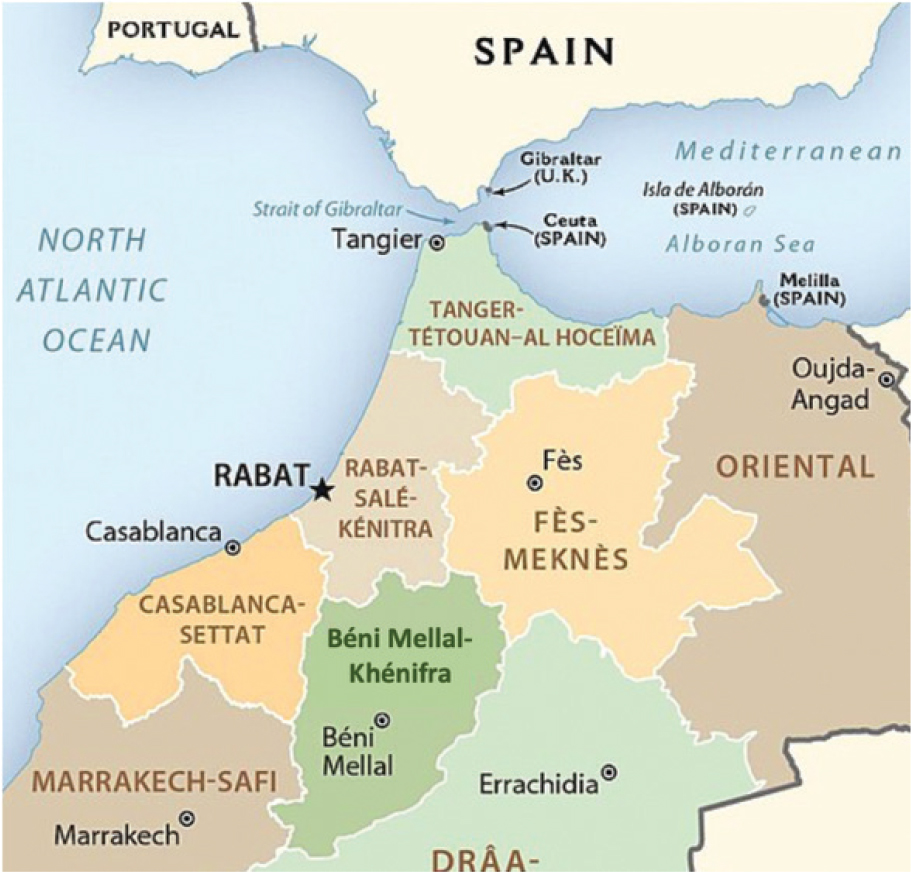
Localization of Morocco within North Africa and the study area in the Béni Mellal–Khénifra.