USE CASES/PILOTS/METHODOLOGIES
Telegenetics: Case Report of Duchenne Muscular Dystrophy and Review of the Literature
Allison M. Jay, MD1  , Ava Powell, MD1, Susan Jay, MD2 , Morgan Devlin, BS, MS3, and Robert L. Conway, MD4
1Henry Ford Department of Medical Genetics, Henry Ford Hospital, Detroit, Michigan, USA; 2Genescreen Counseling, LLC, Boulder, Colorado, USA; 3Henry Ford Radiology and Imaging, Henry Ford Hospital, Detroit, Michigan, USA; 4Department of Pediatrics and Adolescent Medicine, Medical College of Wisconsin, Milwaukee, Wisconsin, USA.
Keywords: diagnosis, DMD, Duchenne muscular dystrophy, genetics, telegenetics, lyonization, muscular dystrophy, rhabdomyolysis, telemedicine, virtual care
Abstract
There are few published case reports where telehealth was used for inpatient genetic consultations as well as to disclose a rare genetic condition that might come from a hospital inpatient workup after a patient has been sent home. Here we discuss a female patient with X-linked muscular dystrophy (Duchenne), thought classically to impact 1/3,500–1/5,000 males. In this report, the patient was discharged from her second hospital stay for muscle breakdown (rhabdomyolysis). Genetic test results came back a week after discharge. In this case report, we discuss how a telehealth visit was used to overview the results and review literature on telehealth and genetic diagnoses in non-cancer patients. Even before the COVID-19 pandemic, telegenetics—genetic risk assessment and counseling remotely using telephones or video communication was an option, giving patients access to genetic testing without traveling a long distance. This availability was important, as many geneticists are employed at academic centers in cities. Numerous studies have focused on how this medium can be convenient and cost-effective and help to mediate care for patients with cancer, where guidelines such as the National Comprehensive Cancer Network® clearly guide who should have testing and algorithmic steps that optimize cancer screening and care for patients with a high-risk pathogenic variant (colloquially known as a mutation). However, less has been published about telegenetics for non-cancer genetics encounters. For non-academic hospitals, which might not have a geneticist on staff, inpatient consultations might not be feasible for patients who undergo diagnostic odysseys with extensive testing. The model for genetics professionals has historically been that they work at academic centers where they might offer in-person consultations to determine at the most cellular level if there is a mutation that explains a patient’s physical symptoms after other imaging and lab work has been exhausted with no diagnostic answer.
Plain Language Summary
Pediatric patients and their families can have meaningful genetics visits via telehealth. In this report, the authors present a female child with X-linked muscular dystrophy (Duchenne). They discuss the benefits of a telehealth visit to care for patients with cancer.
- convenient,
- cost-effective,
- patent consultation with a geneticist in non-academic hospitals.
The model for genetics professionals has historically been that they work at academic centers. Telehealth serves as an option for patients and geneticists who cannot meet for direct in-person consultation.
Citation: Telehealth and Medicine Today © 2026, 11: 646 - https://doi.org/10.30953/thmt.v11.646
DOI: https://doi.org/10.30953/thmt.v11.646
Copyright: © 2026 The Authors. This is an open-access article distributed in accordance with the Creative Commons Attribution Non-Commercial (CC BY-NC 4.0) license, which permits others to distribute, adapt, enhance this work non-commercially, and license their derivative works on different terms, provided the original work is properly cited and the use is non-commercial. See http://creativecommons.org/licenses/by-nc/4.0. The authors of this article own the copyright.
Submitted: November 12, 2025; Accepted: March 28, 2026; Published: June 30, 2026
Corresponding Author: Allison Jay, Email: ajay2@hfhs.org
Financial and Non-Financial Relationships and Activities: There are no relevant conflicts of interest.
Competing interests and funding: No funding was used for this publication.
A PubMed literature review was conducted with the search terms of telemedicine + genetics + physical examination. Of the 52 articles retrieved, three pertained to telemedicine for genetic diagnosis of patients with complicated medical histories (Figure 1).1
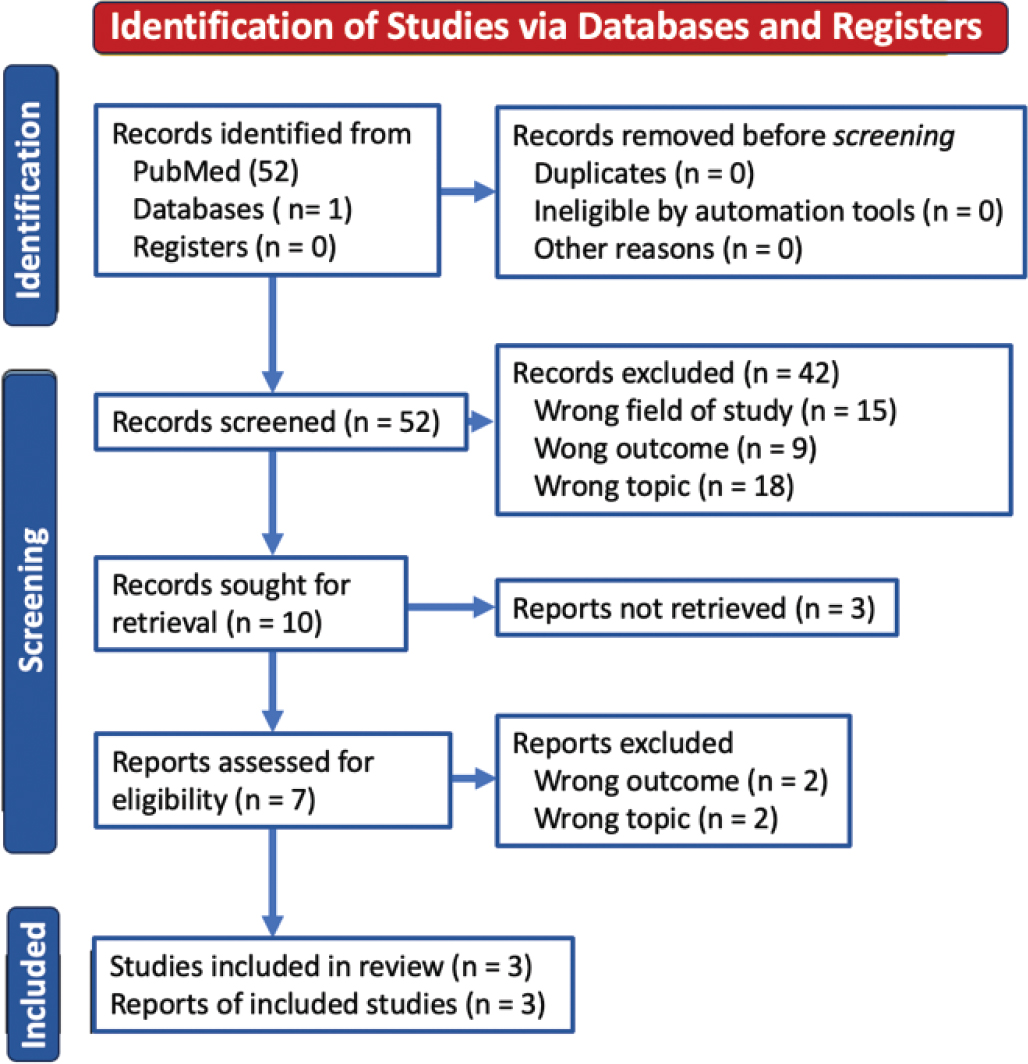
Fig. 1. PRISMA Diagram. PRISMA: Preferred Reporting Items for Systematic Reviews and Meta-Analyses flow diagram.
This literature review was conducted because there is a shortage of physicians specializing in medical genetics. Telemedicine potentially offers a solution for hospitals that do not have a geneticist to diagnose patients with complicated genetic diseases.
At present, in Detroit, where our Henry Ford St. John Hospital is located, the wait time for a pediatric or adult general genetics visit ranges on average from 6 months to 1 year. Our community hospital, HF St. John, is part of the Henry Ford Health (HF) System, which serves patients in the Detroit metro area as far as the surrounding suburbs up to 75 miles (119 km) (Figure 2). There are two geneticists at Henry Ford Main, the primary headquarters for our health system, one geneticist at Henry Ford St. John, and one genetics provider at Henry Ford Southfield.
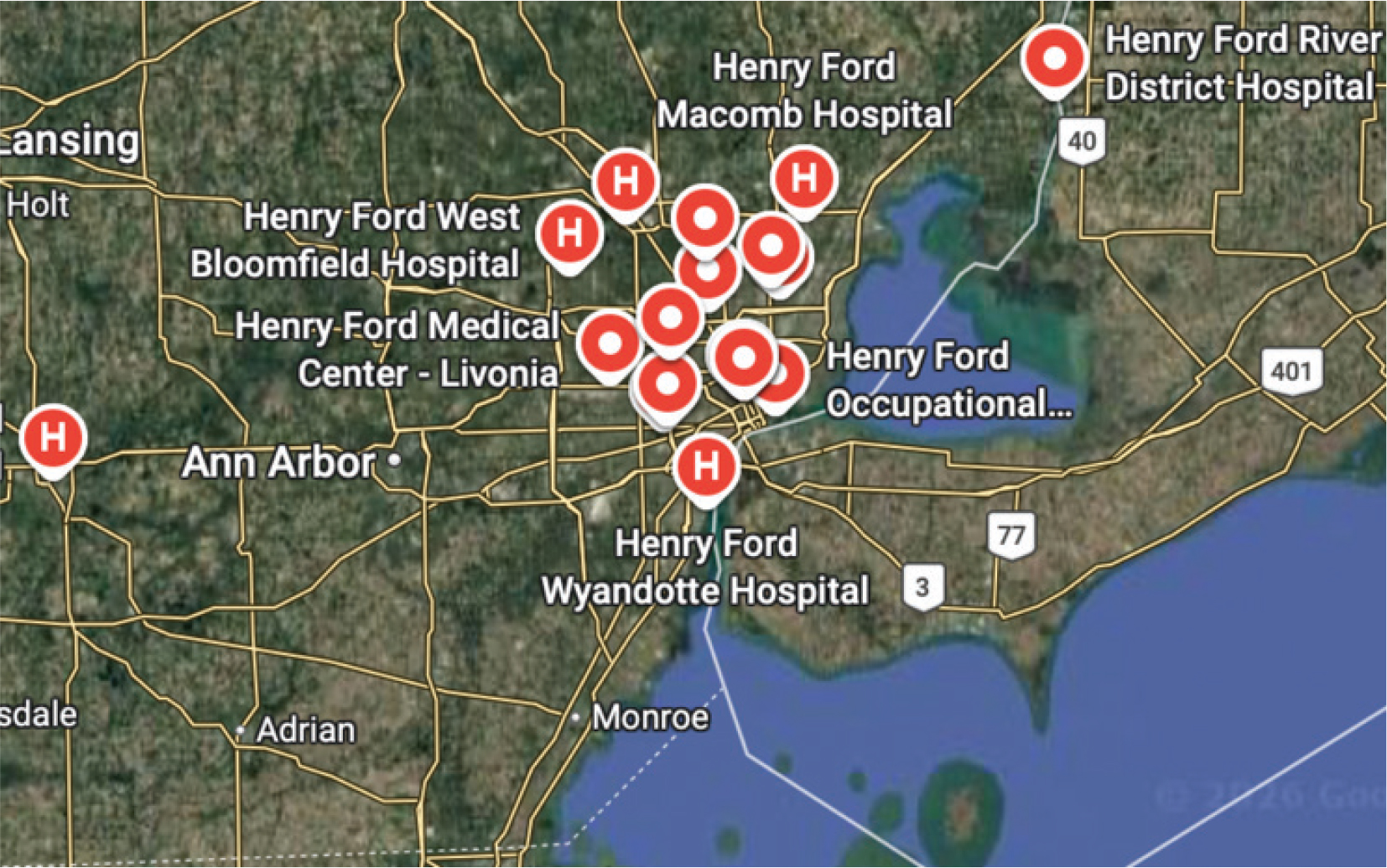
Fig. 2. Southeast Michigan Henry Ford Health System locations.
The geneticists at Henry Ford Main primarily see outpatient prenatal and cancer testing consultations, while the provider at Henry Ford Southfield primarily sees outpatient cancer genetics patients at the Henry Ford Southfield location and the Henry Ford Providence Novi Hospital. The physician at our community hospital (Henry Ford St. John) primarily sees cancer genetics patients but will also conduct inpatient genetic consultations at Henry Ford St. John. While much has been published about cancer genetics and telehealth, less has been studied about using telemedicine for complicated genetic disorders.
Genetics Specialty and Shortage of Providers
A clinical geneticist is a physician and trained in medical genetics at an Accreditation Council for Graduate Medical Education-accredited residency program.2 During their training, residents learn skills in diagnosing and managing genetic disorders such as Down syndrome, cystic fibrosis, neurofibromatosis, and metabolic storage disorders such as Hurler and Hunter syndromes. In addition, they learn about different genetic testing methodologies and how to interpret genetic results in the care of their patient.
Furthermore, a critical skill learned in residency is how to counsel the patient and their family on the genetic condition, implications for health, and potential risks to other family members. Geneticists often collaborate with intensivists, surgeons, pediatricians, family medicine physicians, and internal medicine physicians to ensure their patients get holistic care.
The shortage of geneticists in Detroit mirrors a national workflow shortage of genetic providers, as well as an international shortage of providers (Appendix A), showing distribution of clinical genetics providers in the United States as reported by the American College of Medical Genetics and Genomics.
Presently, there are approximately 2,000 medical geneticists certified by the American Board of Medical Genetics and Genomics from 1982 to 2023 (Table 1). There are between 0.2 and 0.4 geneticists per 100,000 people, compared to 80 to 85 primary care physicians/100,000 people.3,4
Telehealth
Szigety et al.5 at the Children’s Hospital of Philadelphia published that pediatric patients and their families could have meaningful genetics visits via telehealth. Common genetic consultations for pediatrics include identifying a genetic cause for autism spectrum disorders, feeding difficulties, speech developmental delays, abnormal growth, dysmorphic features, and metabolic disorders. Sziegety and colleagues found that telemedicine resulted in equivalent molecular diagnoses as in-person pediatric genetics consultations. This might be surprising because telemedicine lacks the input of anthropometric measurements and physical examination, which was traditionally thought to be needed to optimize genetic evaluation. Many geneticists are hesitant to accept telegenetics over concern that it might be suboptimal given that analysis of genome sequencing is phenotype-driven, and without an in-person physical examination, it is anticipated that genetic testing yield would be diminished.
Supporting Szigety’s findings, Tan et al.6 published “Telehealth Is Effective in the Evaluation of Individuals With Undiagnosed Rare Disorders: An Undiagnosed Diseases Network Study.” The authors reviewed data from 26 individuals being evaluated for rare, medically complex disorders and found telehealth was comparable to in-person examinations. Furthermore, patients reported high satisfaction with telehealth. Their conclusion was that for patients with rare and complicated histories, virtual care may limit disparities for patients in rural areas and resource-limited countries.
Finally, Campbell et al.7 published their analysis of 1,104 new genetics evaluations. A total of 434 patients were seen over a ten-month period before COVID, and 670 patients were seen over a ten-month telemedicine period after the onsent of the COVID pandemic. When in-person genetics visits were compared with telemedicine visits, there was no difference in completion of molecular genetic testing. The geneticist did order more testing in telemedicine patients given uncertainty in the differential, but due to prior authorization challenges, the actual number of tests was roughly equivalent.
Equity and Telegenetics
Szigety et al.5 discuss concerns about equity in telegenetics, given that they found significant differences in telehealth use based on ethnicity, language, and income. Their team found that patients using telegenetics were more often non-Hispanic White, English-speaking, and living in areas with high median income. Campbell et al.7 found telemedicine patients more often reported a non-Hispanic white background and reported English as a preferred language. Telemedicine patients were also more likely to live in more affluent zip codes. More work and study might be needed to engage patients in telegenetics for patients who come from diverse and lower-income households.
Jay et al.,8 have publicized their genetics service in metro Detroit, which has been successful in engaging patients through multiple outreach phone calls, follow-up calls to check on health status, and ease of access by providing a direct number, as opposed to a telephone tree, when patients call. Multiple points of contact contributed to success in their program’s ability to successfully offer genetics care to cancer patients. We followed this established model with telegenetics, which contributed to the success we have for the patient described here who was hospitalized for rhabdomyolysis and had extensive testing to determine the cause. They were given our direct number and utilized phone encounters with the geneticist and oncology financial counselor at the cancer center to help navigate the application for health insurance and choosing an insurance plan once approved. This was an important concern because of the genetics consultation, where this patient was diagnosed with a genetic condition that impacted many organs, including the heart.
Duchenne Muscular Dystrophy
Briefly, Duchenne muscular dystrophy typically presents in young male children who experience delays in motor development and do not develop the ability to walk by themselves or stand from a sitting position.9 Children not treated are typically in wheelchairs by age 14 years and do not survive beyond their thirties due to respiratory compromise and cardiomyopathy contributing to their demise.
Because our patient was female and presented at 33 years old with a condition that usually presents in male children, and results came back after discharge, telehealth was optimal to communicate the results to the patient in a timely manner. The patient and her husband appreciated the convenience of being able to use telehealth given that there was much anxiety about results. A prior study by Payvandi et al. (2022)10 explored the significant infrastructure and support needed for successful inpatient consultations using telehealth. We found this to be true for telehealth follow up of inpatient consultations; and our patient’s satisfaction with telehealth mirrored the satisfaction of the Spanish speaking and English speaking populations in Payvandi’s cross sectional survey demonstrating the work put into these experiences positively impacts patient care. Patients who are motivated to end their diagnostic odyssey might be even more engaged in using telegenetics to help find an answer to their health condition and contribute to the literature, which suggests that patients from minority populations may positively receive telehealth.10
Patient’s Clinical Presentation
The patient presented here signed a consent for publication of their medical history. This was sent to the Henry Ford St. John Investigational Review Board, which has this on file. This report was not considered research. A 33-year-old African American female with muscle pain presented to a local hospital in Detroit where she was found to have an elevated creatine phosphokinase (CPK) consistent with muscle breakdown. She had previously been functioning at baseline and was active in her church community. She denied any triggers for her complaints such as physical activity. An extensive workup for autoimmune, viral, and drug-related causes was negative. She was hospitalized for one week with no diagnosis and no genetics consultation and ultimately was sent home when her muscle complaints improved, and her laboratory tests for rhabdomyolysis (muscle breakdown) improved.
After discharge from the hospital, the patient rested at home for 1 week and then presented to our hospital in Detroit—again with the same complaints of muscle pain and muscle breakdown. At that time her CPK level was >3,000U/L (normal: 30–135 units/L).11 Becuase of concerns that the muscle breakdown could cause kidney damage, she was admitted to our community hospital as an inpatient to receive IV fluids with Lactated Ringer’s Solution.
The internal medicine team predicted that the CPK would trend down with an intravenous infusion of Ringer’s lactate solution. When they could not determine an underlying cause for her persistently high CPK, the director of internal medicine recommended consulting our community hospital’s geneticist, who primarily worked at the Cancer Center, coordinating genetic testing for patients with cancer.
The geneticist spoke with the patient and her husband at her bedside and took a three-generation family health history, asking about other family members with musculoskeletal concerns. Family history revealed that the patient had two maternal uncles who died early and were in wheelchairs (Figure 3).
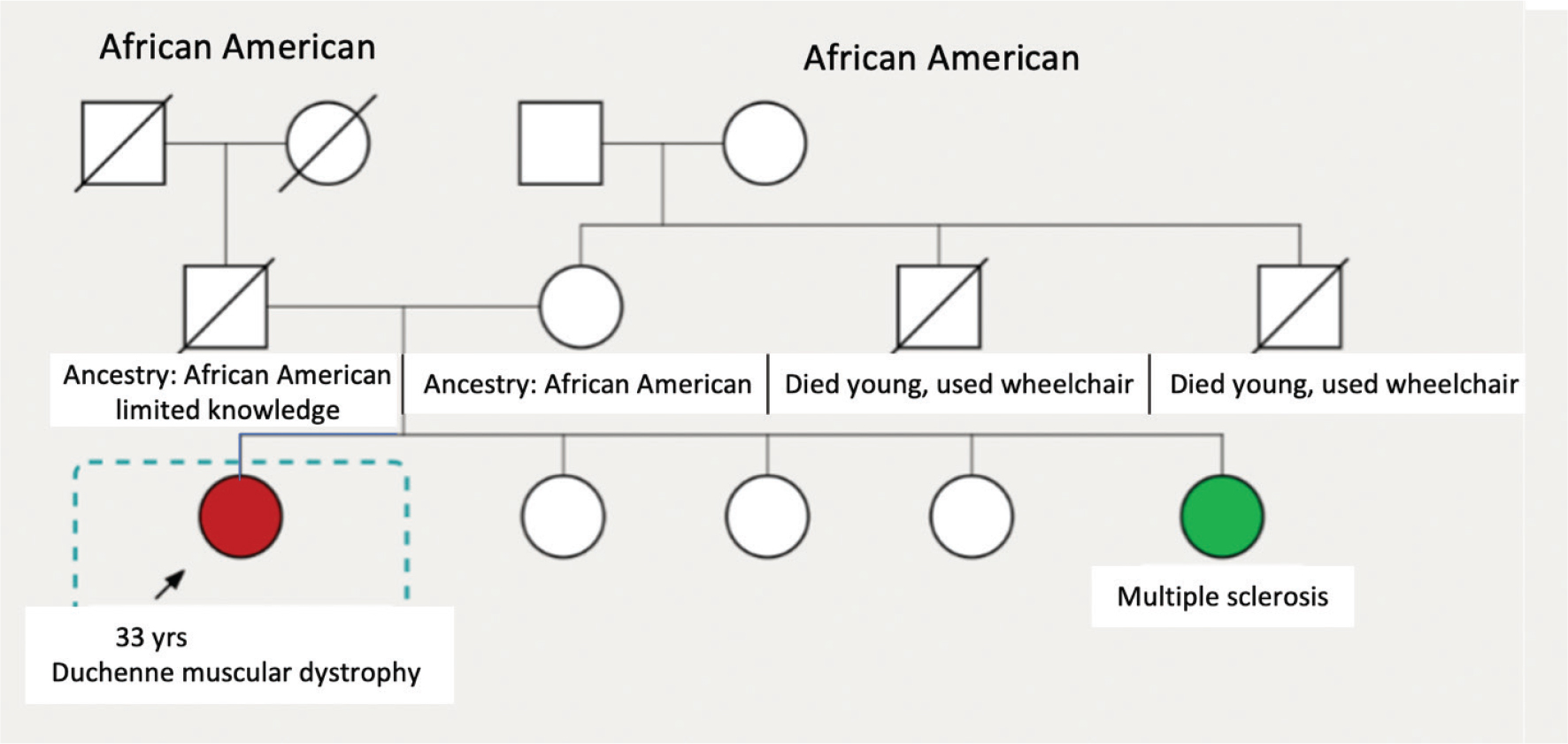
Fig. 3. A three-generation pedigree remarkable for two uncles who died young.
The geneticist asked the patient to ask her mother if her uncles’ diagnosis was Duchenne muscular dystrophy, as her mother had taken her sons to a doctor before they passed. At the time of the initial consultation, the patient did not know the name of their condition. The geneticist wrote down Duchenne muscular dystrophy, and the following day the patient confirmed that her mother recalled this was the diagnosis affecting the patient’s maternal uncles.
The patient reported that she did not know she too could be at risk for this X-linked condition, which had affected her two maternal uncles, and had some disbelief that this was the diagnosis. Classically, because females have two X chromosomes, the chromosome with the mutation in Duchenne muscular dystrophy is often inactivated through the process of lyonization.10,12 For males because they have one X chromosome and one Y chromosome, they are more severely affected because the mutated X chromosome is active.
To determine the cause of her recurrent muscle breakdown, a muscle biopsy was proposed. The patient preferred to do a blood draw for genetic metabolic myopathies, rhabdomyolysis, and exercise panel. One “purple top” vacuum-sealed blood collection tube containing ethylenediaminetetraacetic acid (EDTA) was drawn at the bedside and sent to the laboratory with a turnaround time of 6 to 7 days when “immediately” was selected. Because of a working diagnosis of Duchenne muscular dystrophy and an improving creatine phosphokinase or creatine kinase (CPK) the patient was sent home and advised she would be contacted when the genetic results came back.
Results after Discharge
A week later the genetic results showed a 67.4 kilobase deletion within the Duchenne muscular dystrophy gene on the X chromosome. The deletion was predicted to be out of frame and to disrupt synthesis of dystrophin, an important muscle structural protein. The patient’s deletion included exons 48 to 50 of the DMD gene; and the laboratory noted similar deletions of exons 48 to 50 have been reported in several individuals with Duchenne muscular dystrophy.
A neurologist at a large academic center was contacted; he reported the following three female patients with Duchenne muscular dystrophy who are classified as manifesting carriers. He concluded the patient’s clinical presentation and genetic results were consistent with Duchenne muscular dystrophy and offered to see the patient in person or via telehealth if travel was a barrier. This neurologist noted that while there are medications approved for treatment in males, management for females is largely supportive.
Telehealth Visit: From the Physician’s Standpoint
A telehealth visit was made to give the patient and her husband the results in a timely manner. This allowed them to take next steps to address her care and ensure documentation in the electronic medical records so that if she went to the ER in the following weeks and consulted specialists, her diagnosis was documented and they could give her personalized care.
Telehealth allowed us to accommodate the patient’s schedule and communicate important information to her mothers and sisters. Females with Duchenne are at risk of cardiomyopathy. In addition, we wanted to ensure they had the opportunity to discuss this with their primary care providers and also make them aware that females in the family could give birth to males with Duchenne muscular dystrophy. We counseled her that if she had a son, the son would have a 50% chance of having the X chromosome with the pathogenic variant. If she had a girl, she too would have a 50% chance of having the pathogenic variant, and it is unknown if she would also be a “manifesting carrier,” i.e., a female with physical manifestations of muscular dystrophy.
We discussed the term “lyonization,” which describes how, in females, one X chromosome is inactivated so that they functionally have one active X chromosome equivalent to men.12 All males with Duchenne have one mutated X chromosome; however, depending on skewed inactivation, females may have a “silenced” mutated X chromosome so that the normal X chromosome is active in their cells (Figure 4). From the clinician’s perspective, this telehealth visit allowed us to educate healthcare providers and the patient and coordinate care with the academic specialist who helped to ensure that the patient saw reproductive medicine to discuss implications for future pregnancies.
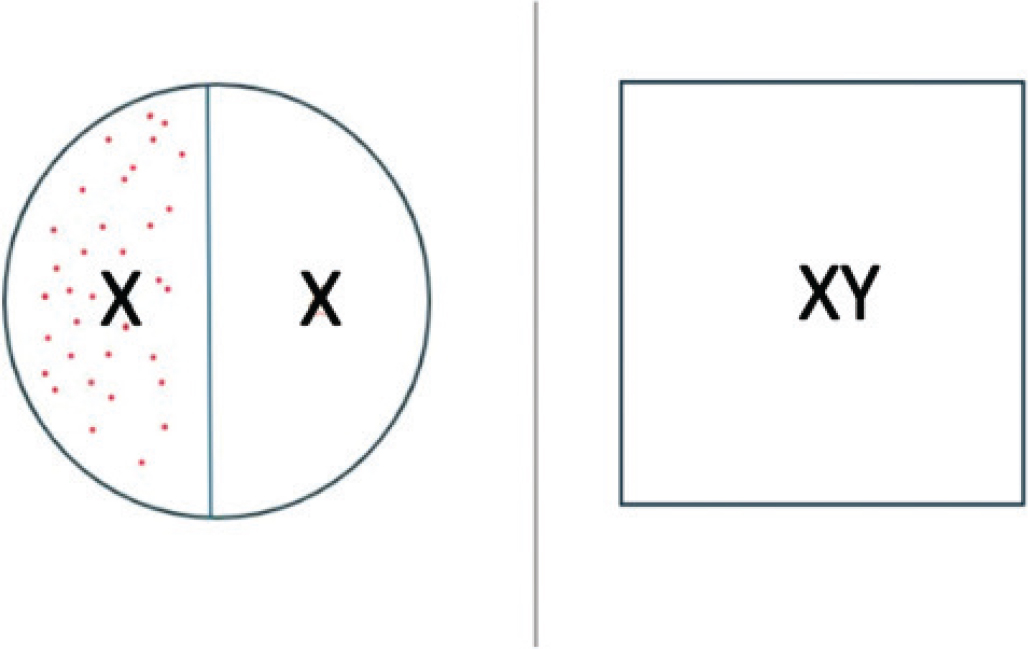
Fig. 4. Females have two X chromosomes. Lyonization refers to the phenomenon when one X chromosome is inactivated. Skewed X inactivation may occur, which means one X chromosome is preferentially inactivated over the other chromosome in cells of the body. Males have one X chromosome.
Telegenetics from Point of View of the Patient
The patient and her husband were contacted and expressed that there was considerable anxiety about getting the results and anxiety about getting to the hospital given the family had malfunction car problems affecting their ability to have reliable transportation. The patient also noted that in Detroit the weather can be a barrier to hospital visit and that telehealth offered a convenient way to get information about her diagnosis in the comfortable atmosphere of her home.
Discussion
A literature review reveals multiple specialties that use telehealth for inpatient consultations.13–15 There are numerous publications on dermatology, which lend themselves to these mediums, the given images of skin can be assessed and a diagnosis can be made visually. As noted previously, Szigety et al.5 found comparable rates of a molecular diagnosis for pediatric patients seen in person versus virtually, and Gorrie et al.16 performed a literature review and found the benefits of telegenetics included cost effectiveness, reduction in times to have an appointment, and convenience.16
Furthermore, for inpatient consultation, geneticists might have more time to take a family history. In the case of our patient, the family history of two maternal uncles in wheelchairs with musculoskeletal complaints helped narrow the differerntial diagnosis to Duchenne muscular dystrophy. In our patient’s case the family history made the diagnosis. As previously observed, even without physical examination, the time the geneticists spend reviewing laboratory results, records, and patient history may be of significance and result in a genetic diagnosis. One significant concern in Szigety’s study was telegenetics visits often had a delay in getting the result of genetic testing sample.5
Other practical considerations for widespread implementation of inpatient genetic consultations include obtaining consent from the patient or patient’s parents for images to be sent to a consulting physician and review of the treating healthcare provider’s physical examination. In addition, financial considerations must be negotiated by the hospital as to how telehealth inpatient consultations will be reimbursed.
Policies must also be implemented for malpractice coverage, documenting patients’ consent to a telehealth consultation, documentation of informed consent for the genetic test, and follow-up on results of genetic testing ordered from the said consultations. Finally, some literature suggests that patients with limited English proficiency have poorer outcomes with telehealth compared to English-speaking patients. In such cases an interpreter would be required to ensure that they receive the best care and an infrastructure to help ensure successful video login.8,10
In our patient’s case, a genetics consultation was valuable because while the inpatient medicine team was focused on supportive care with fluids and monitoring laboratory values reflective of rhabdomyolysis, no one obtained a family history. While we were able to go to the bedside, there might be patients going through diagnostic workups where virtual genetics encounters could provide critical information to the inpatient hospital team caring for the patient.
Conclusion
For our patient’s clinical care, telehealth was essential in being able to convey positive results to the patient in real time and help coordinate her care with specialists for cardiac, gastroenterology, and neuromuscular follow-up, as well as having a reproductive evaluation to discuss potential impact on future pregnancies.
While many publications center on cancer genetics, care, and telehealth, this patient’s experience highlights the value of telehealth in non-cancer genetic diagnosis and highlights how telehealth may be valuable for patients with inpatient genetic consultations and for hospital follow-up of inpatient consultations. Further study is needed for telegenetics success in patients from diverse socio-economic backgrounds to identify barriers to this medium and how care can be improved.
The HF system of which our community is one hospital, is committed to caring for patients from diverse backgrounds from all over Michigan. Henry Ford has a total of 13 hospitals that serve patients in Michigan. At our center, we will explore the feasibility of a hub and spoke model for the delivery of inpatient/telehealth conversations, which might also work for other health systems that have many satellite locations, by working with our administrators and hospital support staff. The main headquarters for our system is Henry Ford Detroit, where our patient was originally prior to being admitted to our hospital, Henry Ford St. John. It might be most feasible to do a pilot between these two hospitals and then expand.
Contributions
Allison Jay conceived of the case report and drafted the introduction and discussion of the case report. Justin Beatty contributed to the PRISMA analysis and is responsible for reference formatting. M. Susan Jay assisted in conceptualization of the case report and review and editing of the report. Moran Devlin contributed to the interpretation of the genetic results and write-up of the case report. Ava Powell contributed to radiologic interpretation and write-up of the case report. Robert Conway helped with the conceptualization of telemedicine and genetics consults and the review of the case report. All authors contributed to the final manuscript.
Data Availability Statement (DAS), Data Sharing, Reproducibility, and Data Repositories
The data are included in the article/case report; additional data held by the corresponding author can be obtained under reasonable request.
Application of AI-Generated Text or Related Technology
No AI technology or text was utilized for this case report.
Acknowledgments
The authors would like to thank Dr. Szpunar, Justin Beatty, and Sharmi Deb, respectively, for their assistance with research consents, formatting and references, and clinical coordination of care. They also their gratitude to Amanda Totten, Director of Henry Ford Women’s health for her insights on the Henry Ford Health system and care of Henry Ford patients. The authors also appreciate the patient and their family for sharing their journey.
References
- Page MJ, McKenzie JE, Bossuyt PM, Boutron I, Hoffmann TC, Mulrow CD, et al. The PRISMA 2020 statement: an updated guideline for reporting systematic reviews. BMJ. 2021;372:n71. https://doi.org/10.1136/bmj.n71
- ABMGG [Internet]. ABMGG; 2024 [cited 2025 Nov 10]. Available from: https://www.abmgg.org
- Bureau UC. State population by characteristics: 2020–2021 [Internet]. Census.gov.; 2024 [cited 2025 Nov 10]. Available from: https://www.census.gov/data/tables/time-series/demo/popest/2020s-state-detail.html
- Lyon M, Maiese D, Blitzer MG, West R, Pan V, Mendoza CZ, et al. The 2023 medical genetics workforce in the United States. Genet Med. 2025;27(10):101461. https://doi.org/10.1016/j.gim.2025.101461
- Szigety KM, Crowley TB, Gaiser KB, Chen EY, Priestley JRC, Williams LS, et al. Clinical effectiveness of telemedicine-based pediatric genetics care. Pediatrics. 2022;150(1):e2021054520. https://doi.org/10.1542/peds.2021-054520
- Tan QK, McConkie-Rosell A, Brown RM, Spillmann RC, Schoch K, Chanprasert S, et al. Telehealth is effective in the evaluation of individuals with undiagnosed rare disorders: an undiagnosed diseases network study. Am J Med Genet A. 2025;197(4):e63956. https://doi.org/10.1002/ajmg.a.63956
- Campbell IM, Crowley TB, Keena B, Donoghue S, McManus ML, Zackai EH. The experience of one pediatric geneticist with telemedicine-based clinical diagnosis. Am J Med Genet A. 2022;188(12):3416–22. https://doi.org/10.1002/ajmg.a.62920
- Jay A, Kelley H, Jay S. A tale of two counties with the same telehealth story: experience with cancer genetics testing during covid-19 at a community hospital. Telehealth Med Today. 2023;8:382. https://doi.org/10.30953/tmt.v8.382
- Darras BT, Urion DK, Ghosh PS. Dystrophinopathies. In: Adam MP, Bick S, Mirzaa GM, Pagon RA, Wallace SE, Amemiya A, editors. GeneReviews® [Internet]. Seattle (WA): University of Washington, Seattle; 1993–2026. 2000 Sep 5 [updated 2022 Jan 20].
- Payvandi L, Parsons C, Bourgeois FC, Hron JD. Inpatient telehealth experience of patients with limited English proficiency: cross-sectional survey and semistructured interview study. JMIR Form Res. 2022;6(4):e34354. https://doi.org/10.2196/34354
- Lab test: Creatine kinase, CK level [Internet]. Ebmconsult.com.; 2025 [cited 2025 Nov 10]. Available from: https://www.ebmconsult.com/articles/lab-test-creatine-kinase-ck
- Lyonization [Internet]. Genome.gov. [cited 2025 Dec 12]. Available from: https://www.genome.gov/genetics-glossary/Lyonization
- Kalra G, Commiskey PW, Schempf T, Williams AM, Bowers EMR, Waxman EL, et al. Initial results and patient survey of virtual inpatient ophthalmology consultations during the COVID-19 pandemic. Semin Ophthalmol. 2021;36(7):461–8. https://doi.org/10.1080/08820538.2021.1890144
- Trinidad J, Kroshinsky D, Kaffenberger BH, Rojek NW. Telemedicine for inpatient dermatology consultations in response to the COVID-19 pandemic. J Am Acad Dermatol. 2020;83(1):e69–71. https://doi.org/10.1016/j.jaad.2020.04.096
- Waasdorp Hurtado C, Neigut D, Hoffenberg EJ, Geyer B, Marable J, Combest N, et al. Telehealth coverage for a pediatric gastroenterology consult service at a regional hospital: an accepted, useful, and sustainable model of care. J Pediatr. 2023;262:113341. https://doi.org/10.1016/j.jpeds.2023.01.015
- Gorrie A, Gold J, Cameron C, Krause M, Kincaid H. Benefits and limitations of telegenetics: a literature review. J Genet Couns. 2021;30(4):924–37. https://doi.org/10.1002/jgc4.1418
Copyright Ownership: This is an open-access article distributed in accordance with the Creative Commons Attribution Non-Commercial (CC BY-NC 4.0) license, which permits others to distribute, adapt, enhance this work non-commercially, and license their derivative works on different terms, provided the original work is properly cited and the use is non-commercial. See http://creativecommons.org/licenses/by-nc/4.0. The authors of this article own the copyright.