ORIGINAL CLINICAL RESEARCH
Spatial Digital Surveillance of Drug-Resistant Tuberculosis: Visualizing Epidemiological Heterogeneity for Precision Public Health
Farida Murtiani, M.Stat1,2  , Mondastri Korib Sudaryo, PhD1 , Evi Martha, DrPH3 and Diah Handayani, SpP, PhD4,5
1Doctoral Program of Epidemiology, Faculty of Public Health, Universitas Indonesia, West Java, Indonesia; 2Department of Research, Sulianti Saroso Infectious Disease Hospital, Jakarta, Indonesia; 3Department of Health Education and Behavioral Sciences, Faculty of Public Health, University of Indonesia, West Java, Indonesia; 4Department of Pulmonology and Respiratory Medicine, Faculty of Medicine, Universitas Indonesia, Jakarta, Indonesia; 5Department of Pulmonology and Respiratory Medicine, Specialist, Pulmonology, Universitas Indonesia Hospital, Depok, Indonesia
Keywords: drug-resistant tuberculosis, Indonesia, spatial epidemiology, Tableau software, unfavorable treatment outcomes
Abstract
Background: Drug-resistant tuberculosis (DR-TB) is a significant public health threat in Indonesia, one of the five countries with the highest disease burden globally.
Methods: The authors identify and analyze the geographical clustering patterns of DR-TB and unfavorable treatment outcomes in Indonesia, using a spatial epidemiological approach and digital data visualization techniques. This retrospective study used secondary data from DR-TB patients in the Scientific Information Technology Branch between 2020 and 2024. Treatment outcome data (cured, treatment completed, died, failed, and lost to follow-up) were visualized using Tableau software to map disease distribution, identify hotspots, and analyze spatiotemporal trends.
Results: The results revealed a heterogeneous geographical distribution of DR-TB, with significant clustering in densely populated urban areas, particularly on Java Island (West Java, East Java, Central Java, and DKI Jakarta) and in North Sumatra. The national rate of unfavorable treatment outcomes was alarmingly high at 54.36%. A notable drop in reported cases in 2023, likely an artifact of pandemic-related surveillance disruptions, was followed by a sharp increase in mortality in 2024. Microspatial analysis within West Java Province further revealed district-level variations in the dominant types of unfavorable outcomes.
Conclusions: The DR-TB epidemic in Indonesia is spatially driven, characterized by significant clustering and systemic treatment failures. The findings reported here confirm that the DR-TB epidemic in Indonesia is driven by sociodemographic and health system factors manifested in an uneven spatial pattern. Spatial epidemiology, supported by digital technology, can be an effective tool for identifying priority areas, optimizing resource allocation, and designing more focused and impact.
Plain Language Summary
Drug-resistant tuberculosis (DR-TB) is a serious form of tuberculosis that is more difficult to treat and is often associated with poor treatment outcomes. The authors analyzed 18,370 patients with DR-TB using national surveillance data and digital mapping tools to examine how DR-TB and treatment outcomes are distributed geographically. The findings show observations related to DR-TB cases and unfavorable treatment outcomes.
- Cases are concentrated in specific regions.
- Cases are not evenly distributed, particularly in densely populated urban areas.
- There is strong geographical clustering.
- Neighboring areas often share similar challenges related to healthcare access, treatment continuity, and disease burden.
Digital dashboards and geographic visualization tools can help public health programs monitor disease patterns, identify priority intervention areas, and support data-driven decision-making for more targeted DR-TB control strategies.
Citation: Telehealth and Medicine Today © 2026, 11: 654 - https://doi.org/10.30953/thmt.v11.654
DOI: https://doi.org/10.30953/thmt.v11.654
Copyright: © 2025 The Authors. This is an open-access article distributed in accordance with the Creative Commons Attribution Non-Commercial (CC BY-NC 4.0) license, which permits others to distribute, adapt, enhance this work non-commercially, and license their derivative works on different terms, provided the original work is properly cited and the use is non-commercial. See http://creativecommons.org/licenses/by-nc/4.0. The authors of this article own the copyright.
Submitted: November 22, 2025; Accepted: June 6, 2026; Published: June 30, 2026
Corresponding Author: Farida Murtiani, Email: idoel_fh@yahoo.com
Financial and Non-Financial Relationship and Activities: The authors have no conflict of interest to declare.
Competing interests and funding: Not applicable.
Tuberculosis (TB) remains one of the greatest global health security challenges. Globally, TB is the leading cause of death from a single infectious agent, having surpassed Human Immunodeficiency Virus/Acquired Immunodeficiency Syndrome (HIV/AIDS). The complexity of controlling this disease has been significantly amplified by the widespread emergence of drug-resistant tuberculosis (DR-TB), particularly multidrug-resistant or rifampicin-resistant (MDR/RR-TB).1,2 This form of the disease poses a substantial threat worldwide due to limited therapeutic choices, prolonged treatment durations, increased toxicity, and consequently, markedly lower rates of successful patient recovery.3
The global response faces major hurdles in case detection and treatment effectiveness. In 2023, only 37% of the estimated new MDR/RR-TB cases worldwide were successfully confirmed and officially reported, highlighting a vast global deficit in detection capability. Furthermore, despite significant efforts, global cure rates for DR-TB typically hover around 60%, a figure that underscores the severe difficulties inherent in managing these complex cases.1
Indonesia is critically positioned as one of the five nations globally that shoulder the heaviest burden of DR-TB. National data reveal an alarming scale of the resistance problem: figures from 2022 showed that DR-TB accounted for 2.2% of new TB patients, and a deeply concerning 25% of those previously treated. Perhaps the most critical indication of systemic challenges is the long-term trend in treatment outcomes. Over the past decade, national DR-TB treatment success rates have stagnated between 45 and 68%, failing to meet the ambitious national target of 80%. Compounding this challenge, the Directorate General of Disease Prevention and Control reported in 2023 that not a single province within the nation achieved the 80% treatment success rate. This failure highlights that the suboptimal management of DR-TB is not isolated but represents a pervasive, nationwide, systemic issue that necessitates urgent, data-driven investigation.4
Infectious disease epidemiology frequently demonstrates that transmission is not uniformly distributed, but often manifests as spatial clustering. This principle holds true for DR-TB, meaning cases cluster geographically due to shared risk factors.5–7 Consequently, acquiring a thorough understanding of the spatial distribution of DR-TB is fundamentally crucial for formulating effective strategies that interrupt transmission chains and enhance disease control.
Geographic Information Systems (GIS) and related spatial epidemiological techniques are invaluable public health instruments. They allow researchers to precisely map and visualize areas characterized by sustained transmission or, equally important, low treatment success rates. The identification of geographical areas where treatment success is consistently low, defined by high proportions of unfavorable outcomes, is strategically valuable. This targeted focus directs resources to regions where the dual challenges of ongoing transmission (caused by prolonged infectiousness from failed treatment) and health system vulnerability overlap, thereby maximizing intervention efficiency.8
The recent rise of digital epidemiology has further strengthened surveillance capabilities. The integration of digital surveillance platforms, such as the National Scientific Information Technology Branch (SITB), with interactive visualization tools, such as Tableau, offers a promising new paradigm for the analysis and mapping of disease dynamics. This approach facilitates proactive, real-time, and data-driven disease management. Given that DR-TB transmission is primarily interpersonal, identifying granular hotspots through geospatial analysis is highly relevant to effective disease containment.
Based on the demonstrated need for localized, data-driven intervention strategies, this study aimed to analyze the spatiotemporal patterns of DR-TB and its unfavorable treatment outcomes across Indonesia from 2020 to 2024. Utilizing a spatial epidemiology approach and digital data visualization technology using Tableau, it identifies critical geographical hotspots to target future resource allocation.
Methods
Study Design and Setting
This is an epidemiological study using a retrospective cohort design and routinely collected secondary data. The scope of the study is national, covering all cases of DR-TB registered in Indonesia. The main data source is the SITB, a mandatory, application-based reporting platform that records all TB cases nationwide. The SITB serves as the official and centralized reporting tool for all health stakeholders involved in TB control. The study period covers data recorded from January 2020 to March 2024.
Data Collection and Study Population
Data utilized in the analysis included patient demographic information (sex, age, location, and treatment), key clinical characteristics (type of DR-TB resistance, comorbidity, and history of previous treatment), combination therapy, and the official recorded final treatment outcome. The study population comprised all DR-TB patients across Indonesia whose data were available in the SITB platform and who fulfilled the established inclusion criteria: having complete treatment outcome data and containing sufficient geospatial information to allow for spatial mapping and cluster identification.
Definition of Treatment Outcomes
Treatment outcomes were rigorously defined in accordance with standardized World Health Organization guidelines.9 “Favorable Outcome” was a composite category that was defined as the favorable (successful) completion of treatment, combining patients recorded as “Cured” and those recorded as “Treatment Completed.” Unfavorable Outcome, a critical measure of unfavorable (unsuccessful), was defined as the combination of patients who died, experienced treatment failure, or were lost to follow-up (LTFU).
Descriptive and Non-Spatial Analysis
Univariate analysis was conducted to profile the characteristics of the DR-TB patient cohort, with results consistently presented using percentages. For quantitative variables such as age, the median and interquartile range (IQR) were used to describe central tendency and dispersion. The prevalence of unfavorable treatment outcomes was calculated for each province by aggregating the number of deaths, failures, and LTFU cases, and dividing this total by the corresponding total number of registered DR-TB cases in that administrative unit.
Spatial Analysis and Visualization Techniques
Spatial analysis was performed to visualize the geographical distribution of DR-TB cases and their associated treatment outcomes across Indonesian administrative regions.7 The analysis aimed to detect existing spatial patterns and heterogeneity.10 The Tableau software was used to create interactive maps and generate geospatial data visualizations. While formal inferential cluster statistics often rely on dedicated GIS platforms, Tableau’s utility in this context is centered on its ability to enable rapid, dynamic visualization and effective communication of complex spatial data patterns to public health stakeholders.11
Spatial autocorrelation analysis was performed using Global Moran’s I statistic in GeoDa to assess whether DR-TB distribution patterns were random or exhibited significant geographical clustering. Positive Moran’s I values indicate spatial clustering, values near zero indicate random distribution, and negative values indicate spatial dispersion. Spatial relationships between administrative areas were defined using contiguity-based spatial weights. Statistical significance was evaluated through permutation testing with a significance threshold of p < 0.05.
Spatial Visualization Process
The following steps guided the spatial visualization process:
Choropleth Map Creation: Choropleth maps were generated to display the prevalence of DR-TB and the rate of unfavorable outcomes across various administrative units (provinces, districts/cities) in Indonesia. Color-coding was used as a visual proxy to represent variations in these key epidemiological metrics. Dynamic visualization, incorporating time filters or sliders, was used to capture and display spatiotemporal trends of cases and outcomes over the study period.
Hotspot Identification: Techniques for cluster identification were applied to pinpoint geographical areas exhibiting statistically high concentrations of DR-TB cases or significantly high rates of unfavorable treatment outcomes. This stage involved applying descriptive spatial analysis methods to visually delineate clusters.
Results
Sociodemographic and Clinical Profile of Patients with DR-TB
A spatial epidemiology approach and digital data visualization technology were used to analyze the geographical patterns of DR-TB in Indonesia from January 2020 to March 2024. By mapping and visualizing treatment outcome data, the research successfully identified areas with significant concentrations of DR-TB cases and clusters of unfavorable treatment outcomes. These findings provide a necessary empirical foundation for developing highly efficient, geographically tailored intervention strategies. The analysis encompassed 18,370 registered DR-TB patients during the study. The characteristics of this cohort underscore the epidemic concentration within specific demographic and geographic segments. Male patients dominated the profile, accounting for 59.62% of the cases, compared to 40.38% among females. The patient population was primarily within the productive age bracket, with a median age of 42 years (IQR: 23 years).
Crucially, the distribution of the epidemic is overwhelmingly urban: 94.04% of all reported cases occurred in urban areas, with only 5.96% in rural settings. This disparity confirms that the DR-TB epidemic in Indonesia is fundamentally concentrated in dense metropolitan environments.
Regarding treatment success, the data revealed a critical challenge: only 45.64% of cases achieved favorable outcomes (cured or completed treatment). Conversely, the rate of unfavorable outcomes reached 54.36%.
While the majority of resistance patterns were RR at 58.77%, MDR cases still accounted for 32.13% of the cohort, followed by extensively drug-resistant (XDR) at 7.13%. However, the analysis highlighted a significant limitation in the SITB data: large proportions of clinical characteristics, such as the history of diabetes mellitus (DM) (58.56% unknown) and HIV status (72.60% unknown), were missing, which restricts the ability to fully correlate patient risk factors with spatial outcomes. Table 1 summarizes the patient profile data.
Macro-Spatial Clustering of Unfavorable Outcomes
Spatial visualization generated using Tableau confirmed that the distribution of DR-TB cases across Indonesia is profoundly heterogeneous. A high concentration of cases was observed on Java Island. The provinces reporting the highest proportions of cases and, consequently, the largest clusters of unfavorable outcomes were West Java, followed sequentially by East Java, Central Java, and DKI Jakarta. Outside of Java, North Sumatra Province was also identified as a high-proportion hotspot region.
Analysis of temporal trends revealed that reported case numbers generally increased annually over the study period. However, a highly significant and unusual phenomenon was observed in 2023, characterized by a sharp drop in reported cases (from approximately 1,000 to around 200), followed by a massive rebound and a significant increase in the subsequent year.
The researchers interpret this anomaly as a direct consequence of the disruption of national surveillance services caused by the prolonged effects of the 2020–21 COVID-19 pandemic. During the height of the pandemic, patient apprehension about health service visits, coupled with changes in service prioritization, severely affected case detection and mandatory reporting figures. This sudden decrease, therefore, does not represent a true reduction in disease incidence but rather a severe failure in the detection system, indicating that a significant number of undiagnosed DR-TB cases had accumulated in the community (“missing cases”).
The overall unfavorable outcome group (n = 9,986) was disaggregated, and patient death was found to be the most prevalent category, reaching over 2,132 people. Critically, deaths exhibited a pronounced temporal spike, showing a significant increase in 2021 and peaking most dramatically in 2024. Following death, LTFU accounted for 1,786 cases, and treatment failure constituted 1,340 cases (Figure 1). The sharp rise in mortality observed in 2024 is explained by the preceding surveillance failure in 2023. The detection system subsequently identified the accumulated backlog of cases that were missed or deferred during the pandemic’s operational disruption. These individuals, presenting late for diagnosis after prolonged infection without treatment, were likely in more advanced stages of disease severity, thereby inflating the subsequent death statistics observed in the reporting system.
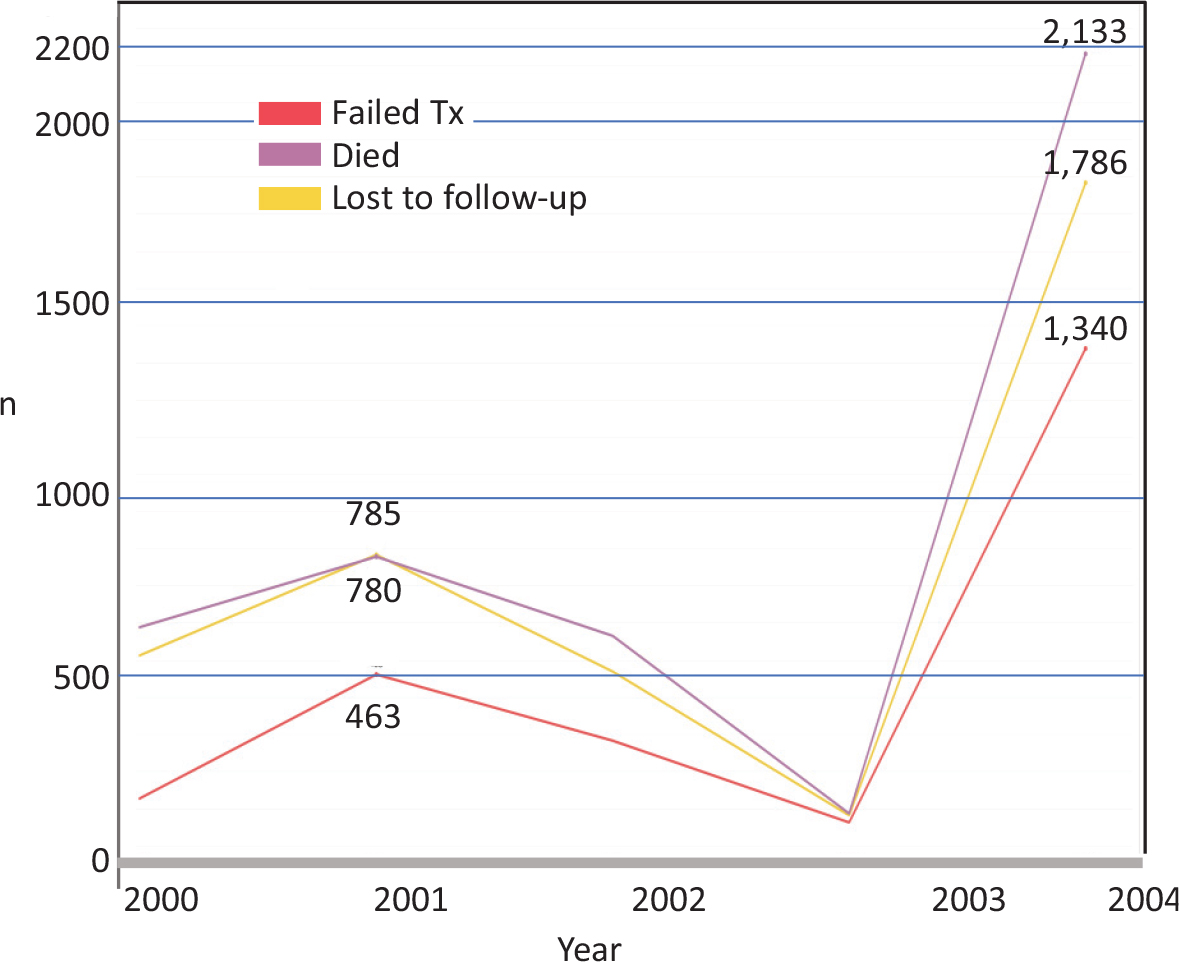
Fig. 1. Trend graph of unfavorable treatment outcomes for DR TB in Indonesia over 5 years.
Micro-Spatial Clustering: The West Java Case Study
To understand the fine-scale drivers of poor outcomes, a granular spatial analysis was performed within West Java Province, which was identified as a core macro-hotspot. There was spatial cluster distribution of unfavorable DR-TB treatment outcomes across districts and cities in West Java Province from 2020 to 2024. These included several localized areas by district and city in the province, particularly in Kabupaten Bogor, Kabupaten Bandung, Kabupatan, and Karawang, indicating substantial micro-spatial heterogeneity within the West Java Province. These clustered patterns suggest that neighboring districts tend to share similar epidemiological characteristics and treatment outcome burdens.
Figure 2 presents district and city-wise distribution and composition of unfavorable treatment outcomes in West Java Province. The figure demonstrates that the dominant types of unfavorable outcomes varied considerably across regions. Kabupaten Bogor was characterized primarily by elevated LTFU cases, whereas mortality represented the predominant unfavorable outcome pattern in Kabupaten Bandung. These localized variations suggest that the factors contributing to poor DR-TB treatment outcomes may differ between districts, potentially reflecting differences in healthcare accessibility, treatment adherence, socioeconomic conditions, and local treatment capacity. Both figures highlight the importance of geographically targeted surveillance strengthening and context-specific intervention strategies for DR-TB control in West Java.
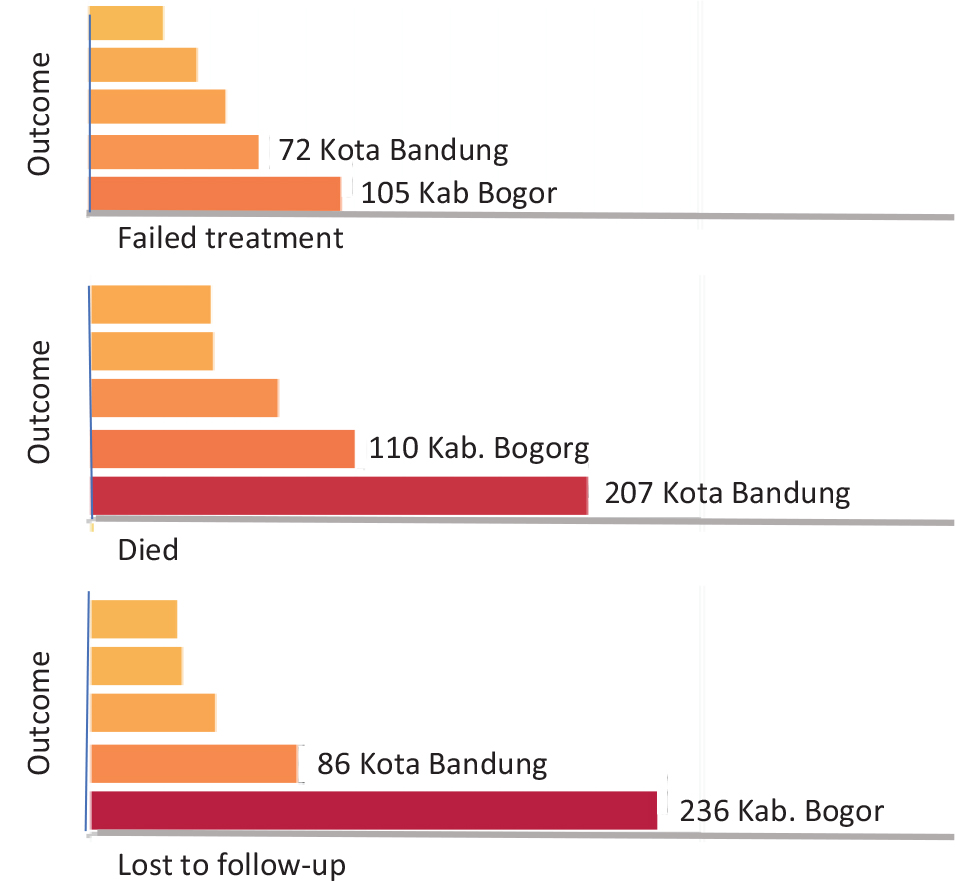
Fig. 2. Unfavorable treatment outcome based on regencies and cities in West Java Province: 2020–2024.
Spatial Autocorrelation Findings
Global Moran’s I analysis demonstrated a very strong positive spatial autocorrelation for unfavorable DR-TB treatment outcomes across districts/cities in West Java Province (Moran’s I = 0.927; pseudo I-value = 0.001) (Figure 3). This finding indicates that unfavorable treatment outcomes were not randomly distributed geographically but instead exhibited substantial spatial clustering among neighboring administrative areas. Districts with high unfavorable outcome burdens tended to be adjacent to other high-burden districts, whereas geographically comparable regions were similarly surrounded by lower-burden areas.
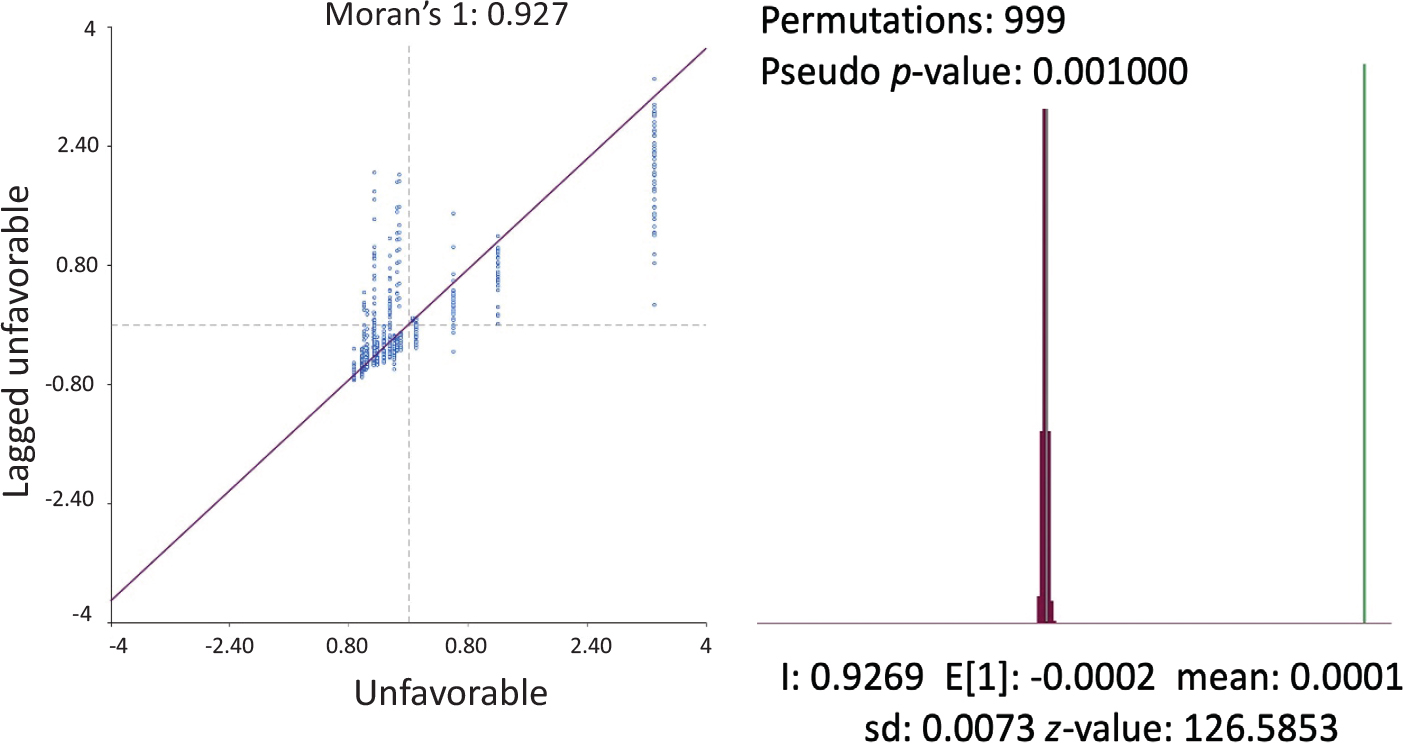
Fig. 3. Global Moran’s I Scatterplot and permutation test of unfavorable DR-TB treatment. DR-TB: drug-resistant tuberculosis.
The statistically significant permutation test further supports the presence of strong geographic dependence in the DR-TB surveillance data. This spatial clustering pattern suggests that localized contextual factors, including urban population concentration, healthcare accessibility, treatment continuity, referral system overlap, and socioeconomic disparities, may contribute to the uneven distribution of unfavorable outcomes across West Java. From a digital surveillance perspective, integrating Global Moran’s I spatial autocorrelation analysis with geospatial visualization strengthens the identification of geographically prioritized areas for targeted surveillance and precision public health interventions.
Discussion
Interpretation of Geographical Clustering and Spatial Heterogeneity
The findings demonstrated substantial geographical heterogeneity in the distribution of DR-TB cases and unfavorable treatment outcomes across Indonesia, with elevated concentrations observed predominantly in densely populated urban regions on Java Island and North Sumatra. These patterns are consistent with previous spatial epidemiological studies conducted in other high-burden settings, which reported that DR-TB burden tends to concentrate in urbanized areas characterized by high population density, population mobility, and socioeconomic disparities.12,13 Rather than indicating uniform nationwide transmission dynamics, the observed clustering patterns suggest that localized contextual factors, including urbanization, healthcare accessibility, referral system concentration, and differences in surveillance capacity, may influence DR-TB burden and case notification in Indonesia.
The observed macro- and micro-spatial clustering patterns further support the interpretation that DR-TB surveillance burden is unevenly distributed across regions. Urbanized provinces such as West Java, DKI Jakarta, and East Java may demonstrate higher notification intensity because of both greater transmission opportunities and stronger diagnostic infrastructure availability. Similar findings have been reported in spatial analyses from Brazil and South Africa, where DR-TB clustering was associated with densely populated metropolitan environments and social vulnerability.13,14 These findings highlight the importance of geographically targeted surveillance strengthening and intervention strategies rather than relying solely on uniform nationwide approaches.
Interpretation of Unfavorable Treatment Outcomes
The high proportion of unfavorable treatment outcomes (54.36%) observed in this study indicates persistent challenges in DR-TB treatment continuity and patient retention within the national TB control program. Mortality represented the largest unfavorable outcome category, followed by TFU, suggesting that both delayed diagnosis and treatment adherence remain major concerns. Previous studies have demonstrated that unfavorable DR-TB outcomes are frequently associated with delayed treatment initiation, prolonged disease severity, socioeconomic vulnerability, and barriers to healthcare access.4,15
Micro-spatial analysis in West Java Province revealed that dominant unfavorable outcome patterns varied across districts. Kabupaten Bogor demonstrated relatively elevated LTFU concentrations, whereas Kabupaten Bandung showed higher mortality concentrations. These localized variations suggest that factors contributing to poor treatment outcomes may differ substantially across geographical settings. Elevated LTFU rates may reflect barriers to treatment adherence, transportation challenges, financial hardship, and socioeconomic limitations. At the same time, increased mortality concentrations may be associated with delayed diagnosis, advanced disease severity, or differences in local treatment capacity. This heterogeneity emphasizes the importance of geographically tailored intervention approaches and the strengthening of localized surveillance.
Comorbidities such as HIV infection and DM may further contribute to unfavorable DR-TB treatment outcomes. HIV-associated immunosuppression and DM-related impairment of immune response have been widely recognized as important clinical modifiers that may increase disease severity, prolong infectiousness, complicate treatment adherence, and worsen treatment prognosis.16,17 Although the current study was limited by substantial missing comorbidity data, inclusion of these variables remains epidemiologically important for future spatial surveillance analyses.
Pandemic-Related Surveillance Disruption
The marked decline in reported DR-TB cases in 2023, followed by increased reporting and mortality in 2024, may reflect the prolonged impact of COVID-19-related disruptions on routine TB surveillance and diagnostic services. Similar reductions in TB notification during and after the COVID-19 pandemic have been reported globally due to healthcare resource diversion, reduced laboratory accessibility, interrupted treatment monitoring, and delayed healthcare-seeking behavior.18,19 Therefore, the observed decline in reported cases may not necessarily reflect a true reduction in the burden DR-TB, but may instead indicate a temporary decrease in surveillance sensitivity and case-detection performance during the COVID-19 pandemic.
The subsequent increase in reported cases and mortality might partially reflect delayed diagnosis among patients whose treatment initiation or access to healthcare was interrupted during the pandemic. These findings demonstrate the importance of maintaining resilient digital surveillance systems during public health emergencies. The SITB platform served as an important national surveillance infrastructure for monitoring DR-TB trends despite operational disruptions. However, the interpretation of surveillance data should account for potential notification bias and variability in healthcare accessibility during crisis periods.
Implications for Digital Surveillance and Precision Public Health
This study demonstrates the potential of integrating routinely collected surveillance data with digital spatial visualization and spatial statistical analysis to strengthen DR-TB surveillance systems in Indonesia. Tableau Public enabled interactive visualization of epidemiological trends and geographical heterogeneity, while GeoDa-supported Moran’s I analysis provided quantitative evidence of spatial clustering patterns. The integration of digital visualization and spatial epidemiological analysis may improve the interpretability of surveillance and facilitate evidence-based public health decision-making.
The findings suggest that digital spatial surveillance systems might support several operational functions within the national DR-TB control program. National and provincial TB program managers may more efficiently use spatial surveillance outputs to identify districts with elevated rates of unfavorable treatment outcomes, prioritize active case finding, strengthen treatment adherence monitoring, optimize referral pathways, and allocate healthcare resources. Areas with elevated mortality burdens might benefit from intensified early diagnostic interventions and strengthened clinical management. In contrast, districts with high LTFU concentrations might require enhanced patient retention strategies, decentralized access to treatment, and socioeconomic support interventions.
The observed spatial heterogeneity further supports the implementation of precision public health approaches in DR-TB control. Rather than applying uniform nationwide interventions, geographically targeted strategies based on localized epidemiological characteristics may improve intervention efficiency and surveillance responsiveness in high-burden settings. Similar precision public health frameworks have been increasingly recommended for infectious disease control programs globally.20,21
Based on the observed spatial heterogeneity, geographical clustering, and localized patterns of unfavorable treatment outcomes, the authors propose a digital spatial surveillance framework to support precision public health strategies for DR-TB control in Indonesia (Figure 4). The framework integrates routinely collected national surveillance data from the SITB platform with digital spatial visualization and spatial statistical analysis to facilitate geographically targeted surveillance strengthening and evidence-based public health decision-making. By combining Tableau-based epidemiological visualization with GeoDa-supported spatial autocorrelation analysis, the framework may support the identification of priority intervention areas, the optimization of healthcare resource allocation, the strengthening of treatment adherence monitoring, and the improvement of referral pathways within the national DR-TB control program.
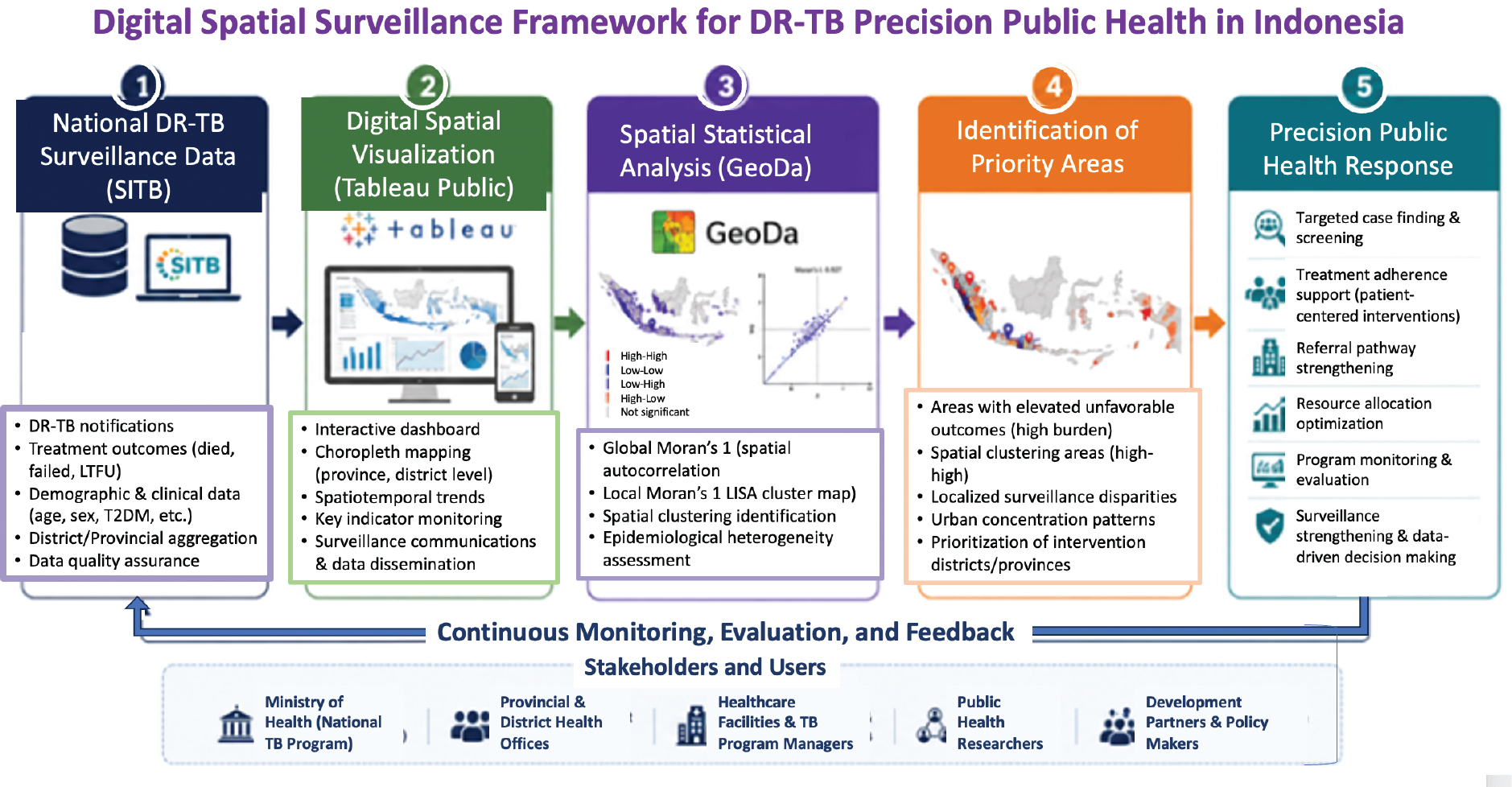
Fig. 4. Proposed digital spatial surveillance framework for DR-TB precision public health in Indonesia. DR-TB: drug-resistant tuberculosis; LTFU: lost to follow-up; SITB: Scientific Information Technology Branch.
Study Limitations
Several limitations should be considered when interpreting the findings of this study. First, the analysis relied on retrospective surveillance notification data from the SITB platform, which may reflect variations in case detection performance and reporting completeness rather than the true underlying disease burden. Changes may therefore influence the notification data collected during periods of healthcare disruption, affecting surveillance sensitivity and healthcare accessibility. Second, the use of aggregated district- or city-level data may obscure finer micro-spatial heterogeneity at the household or neighborhood level. More detailed geospatial coordinates would allow more granular epidemiological analysis in future studies. Third, although spatial autocorrelation analysis using Global Moran’s I and local spatial clustering visualization was performed, the study did not incorporate advanced spatial regression or predictive hotspot modeling approaches capable of evaluating causal spatial relationships or identifying independent determinants of unfavorable treatment outcomes. Therefore, the findings should be interpreted primarily as descriptive spatial epidemiological patterns rather than causal inference. Finally, substantial missing data for important comorbidities, particularly DM and HIV status, limited the ability to assess clinical risk factor patterns within spatial clusters comprehensively. Improved completeness and standardization of surveillance reporting are therefore essential to strengthen future digital spatial epidemiological analyses using SITB data.
Conclusion
This study demonstrated substantial geographical heterogeneity and spatial clustering in the distribution of DR-TB cases and unfavorable treatment outcomes across Indonesia during 2020–2024. Elevated DR-TB concentrations were observed predominantly in densely populated urban regions on Java Island and North Sumatra. At the same time, micro-spatial analysis in West Java Province revealed localized variations in patterns of unfavorable treatment outcomes, including differences in mortality and LTFU rates between districts. The significant Global Moran’s I findings further supported the presence of non-random geographical clustering within DR-TB surveillance patterns.
The findings also suggested that disruption of routine TB services during the COVID-19 pandemic may have influenced DR-TB notification patterns and subsequent mortality reporting. Overall, the integration of digital spatial visualization in Tableau Public and spatial autocorrelation analysis in GeoDa demonstrated the utility of digital spatial surveillance approaches for improving the interpretation of national DR-TB surveillance data. These findings support the implementation of geographically targeted surveillance strengthening and precision public health strategies for DR-TB control in Indonesia. Integrating routinely collected surveillance data with spatial epidemiological analysis may help public health stakeholders identify priority intervention areas, improve treatment monitoring, and optimize resource allocation in high-burden settings.
Data Availability Statement (DAS), Data Sharing, Reproducibility, and Data Repositories
The raw data supporting the conclusions of this article are not publicly available at this time but can be obtained from the authors upon reasonable request.
Application of AI-Generated Text or Related Technology
Artificial intelligence tools were used solely to assist in the visualization and design of the conceptual framework figure presented in this manuscript. Specifically, Claude Opus 4.7 was utilized to support the visual development of the proposed “Digital Spatial Surveillance Framework for DR-TB Precision Public Health.” The tool was not used to generate scientific content, data analysis, results, interpretation, or conclusions. All scientific content and final manuscript preparation were fully developed, reviewed, and approved by the authors, who take full responsibility for the integrity and accuracy of the manuscript.
Acknowledgements
We gratefully acknowledge the Indonesian Ministry of Health for providing access to data for this study.
References
- World Health Organization. Global Tuberculosis Report. Geneva: World Health Organization; 2024.
- Dheda K, Gumbo T, Gandhi NR, Murray M, Theron G, Udwadia Z, et al. Global control of tuberculosis: from extensively drug-resistant to untreatable tuberculosis. Lancet Respir Med. 2014;2(4):321–38. https://doi.org/10.1016/S2213-2600(14)70031-1
- Lange C, Chesov D, Heyckendorf J, Leung CC, Udwadia Z, Dheda K. Drug-resistant tuberculosis: an update on disease burden, diagnosis and treatment. Respirology. 2018;23(7):656–73. https://doi.org/10.1111/RESP.13304
- Ahmad N, Ahuja SD, Akkerman OW, Alffenaar JWC, Anderson LF, Baghaei P, et al. Treatment correlates of successful outcomes in pulmonary multidrug-resistant tuberculosis: an individual patient data meta-analysis. Lancet. 2018;392(10150):821–34. https://doi.org/10.1016/S0140-6736(18)31644-1/ATTACHMENT/332CCDD2-8CF2-4E35-9869-D3E1539E3AE3/MMC1
- Directorate General of Disease Prevention and Control, Ministry of Health, Republic of Indonesia. Laporan program penanggulangan tuberkulosis tahun 2023 [Tuberculosis control program report 2023]. Jakarta: Ministry of Health Republic of Indonesia; 2024.
- Auchincloss AH, Gebreab SY, Mair C, Diez Roux AV. A review of spatial methods in epidemiology, 2000–2010. Annu Rev Public Health. 2012;33:107. https://doi.org/10.1146/ANNUREV-PUBLHEALTH-031811-124655
- Kirby RS, Delmelle E, Eberth JM. Advances in spatial epidemiology and geographic information systems. Ann Epidemiol. 2017;27(1):1–9. https://doi.org/10.1016/J.ANNEPIDEM.2016.12.001
- Mollalo A, Mao L, Rashidi P, Glass GE. A GIS-based artificial neural network model for the spatial distribution of tuberculosis across the continental United States. Int J Environ Res Public Health. 2019;16(1):157. https://doi.org/10.3390/IJERPH16010157
- World Health Organization. Definitions and reporting framework for tuberculosis – 2013 revision (updated December 2014 and January 2020). World Health Organization; 2020.
- Kamel Boulos MN, Geraghty EM. Geographical tracking and mapping of coronavirus disease COVID-19/severe acute respiratory syndrome coronavirus 2 (SARS-CoV-2) epidemic and associated events around the world: how 21st century GIS technologies are supporting the global fight against outbreaks and epidemics. Int J Health Geogr. 2020;19(1):8. https://doi.org/10.1186/S12942-020-00202-8
- Cuadros DF, Chen X, Li J, Omori R, Musuka G. Advancing public health surveillance: integrating modeling and GIS in the wastewater-based epidemiology of viruses, a narrative review. Pathogens. 2024;13(8):685. https://doi.org/10.3390/PATHOGENS13080685
- Wang Q, Guo L, Wang J, Zhang L, Zhu W, Yuan Y, et al. Spatial distribution of tuberculosis and its socioeconomic influencing factors in mainland China, 2013–2016. Trop Med Int Health. 2019;24(9):1104–13. https://doi.org/10.1111/tmi.13289
- Mashamba MA, Tanser F, Afagbedzi S, Beke A. Multi-drug-resistant tuberculosis clusters in Mpumalanga province, South Africa, 2013–2016: a spatial analysis. Trop Med Int Health. 2022;27(2):185–91. https://doi.org/10.1111/tmi.13708
- Pungartnik PC, de Souza Viana PV, dos Santos JPC, Macedo LR, Berra TZ, Paiva NS. Spatial analysis of drug-resistant tuberculosis (DRTB) incidence and relationships with determinants in Rio de Janeiro state, 2010 to 2022. PLoS One. 2025;20(5):e0321553. https://doi.org/10.1371/JOURNAL.PONE.0321553
- Nidoi J, Muttamba W, Walusimbi S, Imoko JF, Lochoro P, Ictho J, et al. Impact of socio-economic factors on Tuberculosis treatment outcomes in north-eastern Uganda: a mixed methods study. BMC Public Health. 2021;21(1):2167. https://doi.org/10.1186/S12889-021-12056-1
- Pradipta IS, Van Boveneind-vrubleuskaya N, Akkerman OW, Alffenaar J, Willem C, Hak E. Treatment outcomes of drug-resistant tuberculosis in the Netherlands, 2005–2015. 2019;8:115.
- Workneh MH, Bjune GA, Yimer SA. Prevalence and associated factors of tuberculosis and diabetes mellitus comorbidity: a systematic review. PLoS One. 2017;12(4):e0175925. https://doi.org/10.1371/JOURNAL.PONE.0175925
- Falzon D, Zignol M, Bastard M, Floyd K, Kasaeva T. The impact of the COVID-19 pandemic on the global tuberculosis epidemic. Front Immunol. 2023;14:1234785. https://doi.org/10.3389/FIMMU.2023.1234785/TEXT
- World Health Organization (WHO). Global tuberculosis report 2023 [Internet]. Geneva : WHO; 2023 [cited 2026 Nov 25]. Available from: https://www.who.int/tb/publications/global_report/gtbr2017_main_text.pdf
- Dowell SF, Blazes D, Desmond-Hellmann S. Four steps to precision public health. Nature. 2016;540(7632):189–91. https://doi.org/10.1038/540189a
- Khoury MJ, Iademarco MF, Riley WT. Precision public health for the era of precision medicine. Am J Prev Med. 2016;50(3):398–401. https://doi.org/10.1016/J.AMEPRE.2015.08.031
Copyright Ownership: This is an open-access article distributed in accordance with the Creative Commons Attribution Non-Commercial (CC BY-NC 4.0) license, which permits others to distribute, adapt, enhance this work non-commercially, and license their derivative works on different terms, provided the original work is properly cited and the use is non-commercial. See http://creativecommons.org/licenses/by-nc/4.0. The authors of this article own the copyright.