NARRATIVE/SYSTEMATIC REVIEWS/META-ANALYSIS
Mobile Health Applications to Support Tuberculosis Prevention and Care: A Scoping Review
Agnes Angelita Suyanto, PhD, MPH, RN1  and Author Sarah Iribarren, PhD, RN2
1Nursing Science Study Program, Faculty of Medicine, Universitas Cenderawasih, Jayapura, Indonesia; 2Biobehavioral Nursing Health Informatics, School of Nursing, University of Washington, Seattle, WA, USA
Keywords: DAT, digital adherence technology, Indonesia, mHealth, mobile apps, tuberculosis
Abstract
Background: This scoping review assessed the landscape of mHealth apps in support of tuberculosis (TB) care in Indonesia, which has the second-highest TB burden worldwide.
Methods: The authors identify existing apps, evaluate their features, understand their role in supporting treatment adherence, and determine areas of unmet needs, especially for the eastern part of Indonesia. In October 2021, a comprehensive search on Google Play and the Apple Store was conducted and updated in April 2023 following the Preferred Reporting Items for Systematic Reviews and Meta-Analyses extension for Scoping Review guidelines. Thematic analysis was used to categorize and evaluate app features. For apps offering treatment adherence features, relevant publications were reviewed to describe their development process and evaluate effectiveness.
Results: Twenty-two apps met the inclusion criteria. Eight had features to support treatment adherence; 16 on TB education and awareness; 10 on care navigation; five on a communication and community forum; seven for e-consult/telehealth; four for self-screening tools; four for data reporting, monitoring, and evaluation; and five included other features. Apps primarily developed and targeted users from the western part of Indonesia. Significant gaps were identified, particularly a lack of patient-centered app that facilitate patient-provider communication, collaborative care, or a strategy to verify treatment adherence.
Conclusions: No app was tailored for Papua, a culturally unique province with low treatment success rates. Given Indonesia’s diverse culture, varied geography, and unique societal nuances, integrating minimum essential features and adopting a user-input-driven developing approach are crucial to ensuring that the future digital tools effectively address the specific needs and preferences of Indonesian users.
Plain Language Summary
Tuberculosis (TB) remains a major health problem in Indonesia. Today, many people use mobile phones, which create opportunities to support TB prevention and care through mobile health apps. This review looks at all TB-related apps available in Indonesia to understand what they offer and what is still needed. We identified 22 apps that provide different functions such as treatment adherence, education, communication, and reporting tools for healthcare workers. However, many apps do not include important features needed to help patients stay on treatment, communicate directly with healthcare workers, or confirm whether they take medicine at home correctly. No apps were designed specifically for communities in Papua, where TB outcomes are worse and cultural needs are different. The findings show that future TB apps should be developed with input from patients, families, healthcare workers, and include essential features such as verified treatment reminders.
Citation: Telehealth and Medicine Today © 2026, 11: 659
DOI: https://doi.org/10.30953/thmt.v11.659
Copyright: © 2026 The Authors. This is an open-access article distributed in accordance with the Creative Commons Attribution Non-Commercial (CC BY-NC 4.0) license, which permits others to distribute, adapt, enhance this work non-commercially, and license their derivative works on different terms, provided the original work is properly cited and the use is non-commercial. See http://creativecommons.org/licenses/by-nc/4.0. The authors of this article own the copyright.
Submitted: October 22, 2025; Accepted: March 14, 2026; Published: June 8, 2026
Corresponding Author: Agnes Angelita Suyanto, PhD, MPH, RN, Email: agnes.suyanto@gmail.com
Competing interests and funding: The authors declare that they have no competing interests.
No Funding.
Tuberculosis (TB) is a preventable and curable disease. However, it remains a public health crisis, with a reported mortality of 1.3 million people in 2022—making TB the second leading infectious killer after COVID-19.1 In the effort to end the global TB epidemic, the World Health Organization (WHO) set a target for reduction in TB incidence rates by 80% in 2030.2 To reach the target and end the global TB epidemic, Indonesia’s government has strengthened the effort by securing the high level of support that led to the enactment of Presidential Decree number 67 in 2021, which emphasizes boosting innovations to enhance the effectiveness of TB interventions that prioritize patient-centered approaches.3 Despite these efforts, Indonesia remains the second leading country with a high TB burden (after India), with the TB incidence at 385 per 100,000 population in 2022.4
The WHO has advocated for the expanded use of digital technologies, including mobile health (mHealth) applications, to support the End TB strategy.5 In general, the use of mHealth apps is increasing due to the advantage of technology and extensive smartphone ownership. A growing body of literature examining mHealth apps suggests their potential to increase the access to services,6–8 provide health-related recommendations, reduce stigma, improve convenience and easy access to healthcare services, improve time and cost efficiency, improve community engagement, increase independence, enhance consistent monitoring from the healthcare providers and self-monitoring by patients, and improve treatment adherence.9–12 The use of these tools grew during the COVID-19 pandemic in response to the need to provide health services remotely.13,14 Despite the challenges such as dependency on geographic region, internet access needs, user characteristics, technical issues, a lack of regulatory and security concern, and maintaining engagement,12,15–18 mHealth apps still provide an opportunity to improve patient health and enable healthcare providers to perform their duties efficiently.19
Digital technologies, especially mHealth apps, play a pivotal role in supporting TB prevention and care in areas such as early diagnosis, treatment adherence, contact tracing, and educational awareness.9,20 These technologies have been recommended as part of tools to enhance patient-centered approaches in TB.21
A descriptive review of mHealth apps globally for improvement of TB treatment and care highlighted several purposes of the TB mHealth apps, including monitoring patient adherence, dosage adjustment, eLearning/information, TB diagnosis, and other related purposes.22,23
Importantly, one of the key benefits of mHealth apps in TB care is the enhancement of medication adherence.9 Several studies examined TB mHealth apps and other digital technologies.22,23 However, research on the effectiveness of mHealth apps for TB care, especially in high-burden countries such as Indonesia, remains limited. This gap underscores the necessity for comprehensive evaluation of TB-related mHealth apps available in the Indonesian market—one of the largest smartphone markets in Asia.24
In addition, treatment adherence is a critical factor in the global fight against TB. Indonesia stands with an 87% treatment success rate and a 47% success rate for drug-resistant tuberculosis (DR-TB),4 highlighting the need for ongoing efforts to improve treatment outcomes. Digital adherence technologies (DATs) offered by mHealth apps present an opportunity to support treatment adherence. However, the development of a comprehensive app that promotes patient-centered care is essential to enhancing TB treatment adherence in Indonesia.
Here, the authors aim to bridge the gap in our understanding of mHealth apps for TB prevention and care in Indonesia by (1) identifying available TB apps, (2) examining their features, (3) understanding their role in supporting treatment adherence, and (4) determining areas of unmet needs, especially for the eastern part of Indonesia. This review seeks to inform digital technology development and foster innovative approaches to strengthen Indonesia’s TB prevention and care program. Through detailed analysis, we aim to provide insights into how mHealth apps can be tailored to the specific needs of end-users, contributing to the global effort to end the TB epidemic.
Methods
Study Design
We conducted a scoping review to assess publicly available mHealth apps, following the Preferred Reporting Items for Systematic Reviews and Meta-Analyses extension for Scoping Review (PRISMA-ScR).25 Our systematic steps included conducting searches within the Android (Google Play Store) and iOS (Apple App Store) platforms available in Indonesia, screening each search results using established inclusion criteria, downloading the eligible apps, and subsequent thematic analysis for app feature grouping. For identified apps with treatment adherence support features, we conducted literature searches to identify publications related to the app development or evaluation.
Eligibility Criteria and Information Source
Eligibility criteria included being focused on TB care or containing features about TB in Bahasa (Indonesian’s language) with any release date. We considered all publications on apps supporting TB treatment adherence from PubMed and Google Scholar, spanning all years and languages.
Search and Data Charting Process
In October 2021 an independent review15 conducted searches of both stores using the following terms: “Tuberkulosis,” “TBC” “Pengobatan TBC” “TB,” “Tuberculosis,” “TB Indonesia,” “Tuberkulosis Indonesia,” and “TBC Indonesia.” The search was updated in April 2023. Apps that met inclusion criteria were listed and reviewed. Duplicates were removed based on the logo and name. After all duplicates were removed, final apps were listed and downloaded to conduct a detailed review. We collected information based on the description in the app stores and found more information on their websites or YouTube for the apps with unclear descriptions and/or required registration to access the app. The following information was extracted for our analysis: app functionality, last updated, star rating, total reviewers, total downloads, age rate, registration requirement, app target population, and features offered. We extracted information about the development and evaluation of the app for any publication.
Synthesis of Results/Analysis
Thematic analysis was used to categorize the apps according to their predominant features. Specifically addressing our inquiry into apps supporting treatment adherence, a detailed description of such apps was provided. In addition, gaps were identified to inform feature needs for future TB apps. Then relevant published literature about the apps was summarized.
Results
We identified 22 apps focused on TB available for use in Indonesia from the 405 apps returned in the searches. Of the 273 apps remaining after deduplication, 69 were related to TB, and of those, 48 were excluded because they were not for use in Indonesian. Figure 1 shows the app selection flow diagram.
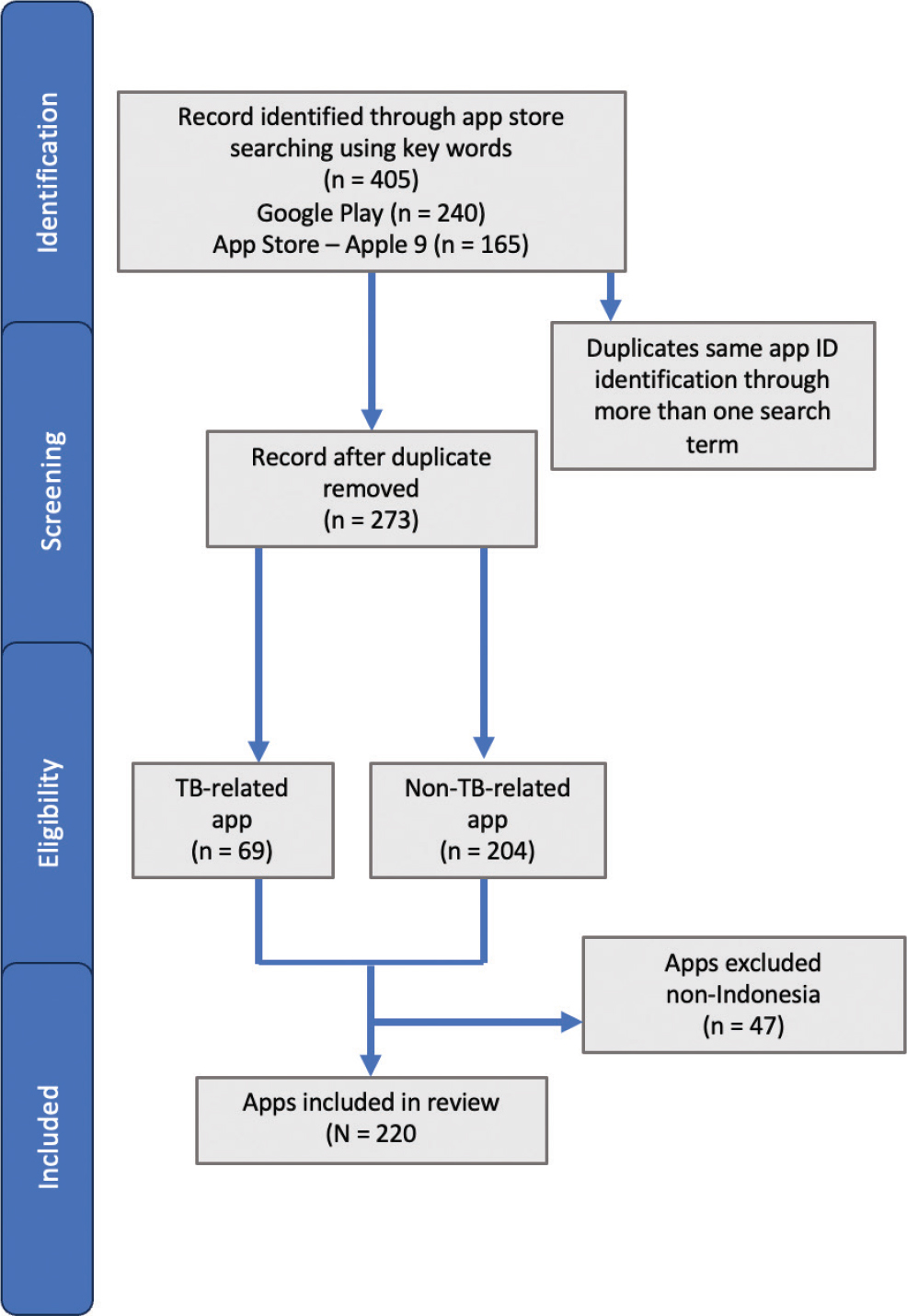
Fig. 1. PRISMA (Preferred Reporting Items for Systematic Reviews and Meta-Analyses) flow diagram.
Apps Characteristics
All the apps were available on the Google Play Store and free to download. Three of the apps were also available in the Apple Store. The number of apps released per year varied over the previous 5 years, with three (14%) up to and including 2018, three (14%) in 2019, seven (32%) in 2020, two (9%) in 2021, six (27%) in 2022, and one in 2023. Of the apps that had reviews, 12 (55%) and 10 (45%) did not have star ratings. Ten apps (47%) required registration or login. For apps with star ratings, one had more than 450 reviews, one had 268 reviews, and the remaining had less than 100 reviews. Regarding the number of downloads, one app (5%) had 100K+ downloads, one (5%) had 10K+ downloads, and 14 were downloaded less than 100 times. For target users, 17 apps (77%) were targeted at the general population and potential TB and TB patients, and four were linked to healthcare providers. Five apps (23%) were intended to be used by healthcare providers. Two apps were released for DR-TB care management. Four apps (18%) could not be opened, and one warned of a bug-related problem. Eleven apps (50%) showed evidence of maintaining regular updates, six apps (27%) had not been updated since their release, and five apps (22%) were only updated within the 20-day period after being released. None of the apps were developed in Papua. A detailed summary of all apps reviewed is presented in Multimedia Appendices 1 and 2. Contact the author for more information.
Thematic Analysis of Functionality
We categorized the features included across the apps into eight main categories: treatment adherence, education and awareness, access to care navigation, communication and community forum, e-consult/telehealth, early diagnosis (screening), data reporting, monitoring and evaluation, and other features (Table 1).
Treatment Adherence-Related Features
Eight apps offered treatment adherence features (Table 2). Most apps had alarm reminders (7, 88%) for users to set their preferred time for medicine reminders. Apps such as Sembuh TB and TB Counter linked the alarm reminder with medication intake reporting for patients. Patients could click to report taking the medication when the reminder notification appeared on their phones. EMPATI-TB and EMPATI CLIENT were developed by one non-profit organization that runs a TB program in Indonesia to monitor, record, report, and mentor DR-TB patients. Healthcare providers use EMPATI-TB to monitor the patients, while EMPATI-CLIENT is for the DR-TB patients to report their daily medicine intake through synchronous or asynchronous video observed treatment (VOT). Apart from EMPATI TB and EMPATI CLIENT, the remaining apps focus on patients with drug-susceptible TB, and only three of the apps had features for self-reporting medication intake. In addition, seven apps for drug-susceptible patients with TB do not have a method to re-confirm whether or not the patient takes the medication at home.
Among the eight apps with treatment adherence features, release dates were from 2020 to 2022. Three apps had not been updated since their release, four had updates in 2022, and one in 2023. Two publications were identified on apps that specifically provided a treatment adherence support feature. One article presenting a preliminary study of the Sembuh TB app reported that, out of 45 recruited users, 10 (22%) maintained app usage over 3 months, exhibiting better treatment adherence for 3 months compared to non-users in the clinic (100% compared to 83%, respectively). However, it was limited to a small sample size, encompassing both patients with drug-susceptible TB and those with DR-TB. In addition, the evaluation period for the use of the interventions was limited to just 3 months.26 The second article detailed the development cycles of the BERANTAS TB app using the Software Development Life Cycle Method with user acceptance testing.27
Education and Awareness (Education Hub)
Most apps (16, 72%) offered specialized features focusing on education and awareness about TB. These apps provide valuable information about the disease, including its causes, risk factors, symptoms, diagnostics, treatment, and prevention. Two apps (10%) focused on educating healthcare providers about specific TB and DR-TB care management guidelines. The two apps went beyond general information and provided information about traditional medicine practices and the legal rights of individuals affected by TB. One government-developed app included access to current data, facts, statistics, and the overall status of TB in Indonesia.
Each app had a specific target audience, ranging from the general population to individuals diagnosed with TB, families or individuals impacted by TB, and healthcare providers. Information of these apps and educational content were delivered through various engaging formats, such as articles, news, videos, pictures, comics, and podcasts. In terms of the source of education content, six apps (27%) did not provide the source of information, and we cannot describe the source of education content for four apps (18%) due to request login. In addition, two apps (10%) no longer could be opened.
Access to Care Navigation
Ten apps (45%) had specific features to guide users on how to access healthcare facilities and emergency contacts. Each app had varying ways to navigate accessing TB care. For example, users could access the information about all the health facilities in Indonesia that offered TB treatment or only specific health facilities or the nearest healthcare centers based on the user’s location. Furthermore, each app had different search methods for accessing the navigation, including keyword-based searches, lists of contact information, navigation links to Google Maps for location-based services, social media links, and direct access to contact information through WhatsApp.
Communication and Community Forum
Five apps (23%) offered community support features with communication capabilities. These apps employed different communication platforms, including from in-app communication to linked WhatsApp groups. The discussion group varied from general, where everyone concerned with TB can be involved, to a group where the TB survivors can share their experiences and tips to help those who undergo the treatment to encourage treatment completion. For instance, Sobat TB provided a communication forum for TB survivors and individuals affected by TB, including family members or parents. Furthermore, another app had a forum that could be used by active TB patients that required registration for access.
E-Consultation/Telehealth
Seven apps (32%) offered e-consultation or telehealth features within their platforms. Each app utilized a distinct mechanism to facilitate access to e-consultation services. For instance, EMPATI-CLIENT enabled patients to send direct messages to healthcare providers, and Sembuh TB allowed users to reach out to healthcare providers, including medical doctors and nutritionists, for reporting or seeking assistance or reporting side effects. Moreover, apps with self-screening capabilities integrated an e-consultation feature when a person was identified as potentially having TB. Consultations could be conducted through messaging or video calls. A few provided a direct link to WhatsApp for users to request further information or guidance.
Early Diagnosis (Screening)
Four apps had self-screening features with a quiz-based test (a series of Yes-No questions) that assessed the likelihood of a person having TB. Once the test was completed, if the results suggested a potential TB case, the user received a detailed explanation, urging them to contact the nearest healthcare provider, or it would offer a direct link to contact healthcare providers for immediate assistance.
Data Report, Monitoring, and Evaluation
Three apps aimed to strengthen the Indonesian TB program by facilitating data reporting, monitoring, evaluation, and contact tracing activities. EMPATI TB was launched to support healthcare providers and community workers in effectively monitoring and evaluating DR-TB patients and recording all the activities and communication among providers. WIFI TB and ENTB (e-Notifikasi Tuberkulosis) primarily focused on improving the public-private mix reporting system, enabling private healthcare facilities to report their TB cases and suspected TB patients to the government with fewer administrative barriers and improved efficiency.
Other Apps Targeting Healthcare
Five apps (23%) have features that did not fall into the main categories identified in this review. For example, the PIKRUI app is used as a guideline in calculating appropriate dosing for TB patients and other related pulmonary diseases. The SITRUST app tracks samples for lab tests. One app also has additional features such as calculating nutrition, exercise, and an online store to sell products from the specific pharmacy brand that sponsored the app’s development. Another app provided legal consultation for reporting mistreatment or injustice for TB patients.
Discussion
In this mHealth app review we identified 22 mHealth apps focused on TB-related care in Indonesia. A prior review conducted by Keutzer et al.,22 which covered all TB-related apps worldwide, had identified five from Indonesia. Among the five apps included in this previous review, four were no longer available on the Google Store. Our findings reported that six apps were developed prior to 2020, while the subsequent 16 were published from 2020 to 2023, indicating a notable increase in the number of apps over the last few years. All the apps were free to download and available on Android, the operating system most often used in the smartphones available in Indonesia.24,28 TB predominantly affects individuals from low socioeconomic backgrounds29–31 and TB care and treatment is in general provided free of charge; therefore, it is expected that all the TB apps in Indonesia are available free of charge.
However, some of the apps had technical issues, such as not being able to be opened, and the record of apps update history revealed that many apps had not been updated since their initial release or had not performed updates for over a year as of our last data collection in April 2023. This raises concerns about app maintenance and whether these apps are current, compatible, relevant, and secure.
Based on the WHO TB guidelines for 2022,1 the goal of health education is to provide essential information, empowering patients to make informed decisions.21 Extensive global literature has shown that improved knowledge about TB is associated with better treatment adherence and completion rate.32–35 In Indonesia, studies have shown that health education is linked to adherence and completion rate,36–38 as well as a reduction in TB stigma.39 Improving TB patient knowledge is crucial not only for patients themselves but also for their families, relatives, and the public. It is a positive development that most of the apps we reviewed provided educational features; however, it was essential to carefully review the content of education to ensure accuracy and relevance. Almost half of the apps had not been updated after they were released. A lack of updates ultimately raises concerns about the currency and reliability of the educational content or the guidelines for healthcare providers. It is concerning that some apps do not provide the sources of their educational content, which can contribute to misinformation and unfounded beliefs. For instance, one app promoting herbal/traditional medicine for TB treatment could lead individuals away from seeking proper medical care and treatment.
The Indonesian health ministry has offered TB education content, including videos and pictures.40 Reliable sources limit the ambiguity of educational materials and ensure accurate information reaches the public. Enhancing the quality and credibility of educational features is vital to empowering TB patients and their families with accurate information for better health outcomes. In addition, it is important that app developers consider the educational content and TB guidelines from the Health Ministry for their apps, which are publicly available.
The WHO recommends a patient-centered approach to TB care to allow all individuals with TB to exercise their rights to receive treatment and care.41 Our review found that less than half of the TB apps available in Indonesia include a care-navigation feature, and about one third offer e-consult or telehealth features. However, several apps are exclusively focused on a single health facility, primarily located in the western part of Indonesia, which raises questions about the preferences of end-users from the eastern regions, such as Papua. Some apps with telehealth linked to WhatsApp were exclusive and limited to users’ familiarity with this platform. In addition, while self-screening features in four apps provide initial assessment for TB detection, there was a risk of misinterpretation without clear guidelines for follow-up, echoing challenges observed with self-testing in the other health context.42
Social support is recognized as crucial for a person/patient to finish the TB treatment successfully.42 Considerable research has focused on social support groups’ effect on motivating TB patients from other patients, TB survivors, and others such as family members or close friends, where TB patients have better outcomes and seeking behavior when supported by the family and community.42–46 Five apps provided discussion forums to allow app members to discuss either specific or general TB, such as tips and sharing experiences. Some of the apps with discussion features only allow those who registered to be involved in the discussion forum. However, it is unclear how the app presents the identity of each person in the discussion forum and how the discussion contents of the forum are monitored. It is crucial to carefully consider how messages are communicated in these forums. Given the persistent stigma associated with TB, revealing personal identities could potentially lead to stigmatizing behavior and affect the credibility of contributions. Therefore, it is critical to prioritize and address significant concerns regarding data security and privacy.
Indonesia implemented the Directly Observed Treatment, Short-course (DOTS) program as the national TB control strategy to ensure that TB patients take their medication under the supervision of a healthcare worker or a treatment supporter. However, with the high numbers of TB cases, providing DOTS in person by healthcare workers can be logistically challenging. Thus, family members were utilized as treatment supporters. This condition is challenging, as one factor contributing to non-adherence is lack of support from family or community.47 In addition, several studies that were carried out failed to provide strong evidence of the effectiveness of DOT in several methods (family DOT, community DOT, or DOT at a health facility) compared to self-administered in improving treatment adherence.48–50
With the recommendation to utilize technology, the availability of several apps in Indonesia has indicated the commitment to provide alternative treatment administered. A patient-centered approach was promoted as an alternative to DOTS to tailor the method of supervision and administration treatment while emphasizing the importance of patient-care provider working together to reach collaborative care. Thus, mHealth as one alternate digital adherence tool should accommodate this principle. However, apps available in Indonesia mostly only provided basic features for patients, with less evidence of interactive features to support patient-provider interaction. Only two apps feature communication with providers and one app for VOT, yet only for DR-TB patients. In addition, none of the apps with the self-report medication feature (besides the app for DR-TB that has the VOT feature) provided a method to verify if the patient takes the medication at home. The absence of detailed documentation on the app development, especially for apps that provided treatment adherence features, makes it difficult to understand whether the available apps in Indonesia sufficiently meet the specific needs of TB patients and healthcare providers. One app described the development and testing of the app yet did not make clear if it is being tested by the end-users, which should include those impacted by TB, such as patients, family, or healthcare providers.
Recommendations
These findings highlight important concerns that should be translated into actionable guidance for technology companies, app developers, researchers, and government stakeholders—particularly TB programs. Thus, we propose a set of minimum essential features for TB mHealth Apps in Indonesia, aligned with WHO DAT recommendations and TB guidelines (Table 3).
Future TB mHealth development in Indonesia should incorporate the essential functions listed above. In addition, app developers and researchers should employ a user-input-driven and culturally sensitive approach that actively involves TB patients, families, and healthcare workers, particularly in underserved regions such as Papua.
Limitation
This study has limitations that should be considered when interpreting the results. Firstly, our search was limited to mHealth apps that were available on an app store (Android and iOS store). We might have missed apps available by other methods that are not published or in use, such as web-based apps. Secondly, for the apps requiring login, we were unable to log in and had to rely on the features reported in the product description and YouTube videos. In addition, several apps appeared to be no longer maintained or available and could not be opened. Although we relied on features and functionality of these apps (e.g., YouTube videos), we may not have captured complete information about the flow of the apps and how they work.
Conclusion
There was an increase in new apps from 2020, reflecting progress to address TB in the country. However, several issues were identified. These include apps being no longer accessible, a lack of systems to ensure confidentiality, and apps including inaccurate information. Findings highlighted a gap of patient-centered apps that facilitate patient-provider communication and collaboration or that include a strategy to verify treatment adherence. No app was specifically tailored for Papua, a unique province of Indonesia known for its diverse and distinct culture, despite having the lowest treatment success rates. Given Indonesia’s diverse culture, varied geography, and unique societal nuances, a user-input-driven developing approach is crucial to ensure the digital tools are tailored to effectively address the specific needs and preferences of Indonesian users. Integrating the minimum standards outlined in this review will enable more equitable, relevant, and effective digital solutions to advance Indonesia’s End TB strategy.
Contributions
AS an SJ designed the study; analyzed the data; wrote the paper. AS collected the data supervised by SJ. All authors read and approved the final manuscript.
Data availability Statement (DAS), Data Sharing, Reproducibility, and Data Repositories
The data that support the findings of this study are available from the corresponding author upon reasonable request or whatever the author states.
Application of AI-Generated Text or Related Technology
Grammarly and ChatGPT were used to refine grammatical accuracy. AI rephrased sentences. Importantly, thr authors conducted and verified all scientific arguments, literature interpretations, and data analyses.
Acknowledgments
We thank Dr. Weichao Yuwen, Dr. Sarah Gimbel, Prof. Ari Probandari and Anne Turner for their insight in this study.
References
- WHO. Global tuberculosis report 2022. 2022 [cited 2025 May 05]. Available from: http://apps.who.int/bookorders
- WHO. Implementing the end TB strategy: the essentials 2022 update. World Health Organ. 2022;30(4):373–8.
- Kemensesneg RI. Peraturan Presiden Republik Indonesia Nomor 67 Tahun 2021 Tentang Penanggulangan Tuberkulosis. 2021.
- Kemenkes RI. Dashboard PPM—TB Indonesia. 2023 [cited 2025 May 05]. Available from: https://www.tbindonesia.or.id/dashboard-ppm/
- WHO. Handbook for the use of digital technologies to support tuberculosis medication adherence. 2017 [cited 2025 Nov 20]. Available from: http://apps.who.int/bookorders
- Leonardsen ACL, Bååth C, Helgesen AK, Grøndahl VA, Hardeland C. Person-centeredness in digital primary healthcare services—a scoping review. Healthcare (Basel). 2023;11(9):1296. https://doi.org/10.3390/healthcare11091296
- Ueno DT, Guerra PH, Christofoletti AEM, Bonolo ACDS, Nakamura PM, Kokubun E. Mobile health apps to reduce sedentary behavior: a scoping review. Health Promot Int. 2022;37(2):daab124. https://doi.org/10.1093/heapro/daab124
- Tam-Seto L, Wood VM, Linden B, Stuart H. A scoping review of mental health mobile apps for use by the military community. Mhealth. 2018;4:57. https://doi.org/10.21037/mhealth.2018.12.01
- Latif AI, Sjattar EL, Erika KA. Models and benefits of mobile health application to support patient with tuberculosis: a literature review. Enferm Clin. 2020;30:163–7. https://doi.org/10.1016/j.enfcli.2019.07.069
- McCool J, Dobson R, Whittaker R, Paton C. Mobile health (mHealth) in low- and middle-income countries. Annu Rev Public Health. 2022;43:525–39. https://doi.org/10.1146/annurev-publhealth-052620-093850
- Bonnechère B, Kossi O, Mapinduzi J, Panda J, Rintala A, Guidetti S, et al. Mobile health solutions: an opportunity for rehabilitation in low- and middle income countries? Front Public Health. 2022;10:1072322. https://doi.org/10.3389/fpubh.2022.1072322
- Haberer JE, Subbaraman R. Digital technology for tuberculosis medication adherence: promise and peril. Ann Am Thorac Soc. 2020;17(4):421–3. https://doi.org/10.1513/AnnalsATS.202001-027ED
- Cao J, Zhang G, Liu D. The impact of using mHealth apps on improving public health satisfaction during the COVID-19 pandemic: a digital content value chain perspective. Healthcare (Basel). 2022;10(3):479. https://doi.org/10.3390/healthcare10030479
- Bitar H, Alismail S. The role of eHealth, telehealth, and telemedicine for chronic disease patients during COVID-19 pandemic: a rapid systematic review. Digit Health. 2021;7:20552076211009396. https://doi.org/10.1177/20552076211009396
- Feroz AS, Ali NA, Khoja A, Asad A, Saleem S. Using mobile phones to improve young people sexual and reproductive health in low and middle-income countries: a systematic review to identify barriers, facilitators, and range of mHealth solutions. Reprod Health. 2021;18(1):9. https://doi.org/10.1186/s12978-020-01059-7
- Zhou L, Bao J, Watzlaf V, Parmanto B. Barriers to and facilitators of the use of mobile health apps from a security perspective: mixed-methods study. MIR Mhealth Uhealth. 2019;7(4):e11223. https://doi.org/10.2196/11223
- Giebel GD, Speckemeier C, Abels C, Plescher F, Börchers K, Wasem J, et al. Problems and barriers related to the use of digital health applications: scoping review. J Med Internet Res. 2023;25:e43808. https://doi.org/10.2196/43808
- Kao CK, Liebovitz DM. Consumer mobile health apps: current state, barriers, and future directions. PM R. 2017;9(5S):S106–15. https://doi.org/10.1016/j.pmrj.2017.02.018
- Yagiz JI, Goderis G. The impact of the COVID-19 pandemic on eHealth use in the daily practice and life of Dutch-speaking general practitioners in Belgium: qualitative study with semistructured interviews. JMIR Form Res. 2022;6(11):e41847. https://doi.org/10.2196/41847
- Lee Y, Raviglione MC, Flahault A. Use of digital technology to enhance tuberculosis control: scoping review. J Med Internet Res. 2020;22(2):e15727. https://doi.org/10.2196/15727
- Global Programme on Tuberculosis and Lung Health (GTB). WHO operational handbook on tuberculosis: module 4: treatment: tuberculosis care and support. Geneva: World Health Organization; 2022.
- Keutzer L, Wicha SG, Simonsson USH. Mobile health apps for improvement of tuberculosis treatment: descriptive review. JMIR Mhealth Uhealth. 2020;8(4):e17246. https://doi.org/10.2196/17246
- Iribarren SJ, Schnall R, Stone PW, Carballo-Diéguez A. Smartphone applications to support tuberculosis prevention and treatment: review and evaluation. JMIR Mhealth Uhealth. 2016;4(2):e25. https://doi.org/10.2196/mhealth.5022
- STATISTIKA. Smartphone market in Indonesia—statistics and facts | Statista. [cited 2025 May 02]. Available from: https://www.statista.com/topics/5020/smartphones-in-indonesia/
- Tricco AC, Lillie E, Zarin W, O’Brien KK, Colquhoun H, Levac D, et al. PRISMA extension for scoping reviews (PRISMA-ScR): checklist and explanation. Ann Intern Med. 2018;169(7):467–73. https://doi.org/10.7326/m18-0850
- Burhan EA, Ralena NA, Tahir Y. Improving TB-related knowledge and behavior with Sembuh TB app towards Indonesia TB elimination. Syst Rev Pharm. 2019;10(2):313–17. https://doi.org/10.5530/srp.2019.2.42
- Jannatin IS, Pical RB, Wulandari RD, Wekadigunawan CSP. Jannatin: Inovasi Rancang Bangun Aplikasi Mobile…. [cited 2025 May 02]. Available from: https://scholar.google.com/scholar?hl=en&as_sdt=0,5&cluster=18194666264121157990#d=gs_cit&t
=1746194258709&u=%2Fscholar%3Fq%3Dinfo%3AZqm5V5FwgPwJ%3Ascholar.google.com%2F%26output%3
Dcite%26scirp%3D0%26scfhb%3D1%26hl%3Den - What is mobile application development? IBM. [cited 2025 May 19]. Available from: https://www.ibm.com/think/topics/mobile-application-development
- Ruiz-Tornero AM, Sánchez-Recio R. [Tuberculosis and socioeconomic factors in spanish population: a systematic review]. Rev Esp Salud Publica. 2022;96:e202212089.
- Koo HK, Min J, Kim HW, Lee J, Kim JS, Park JS, et al. Prediction of treatment failure and compliance in patients with tuberculosis. BMC Infect Dis. 2020;20(1):622. https://doi.org/10.1186/s12879-020-05350-7
- Addo J, Pearce D, Metcalf M, Lundquist C, Thomas G, Barros-Aguirre D, et al. Living with tuberculosis: a qualitative study of patients’ experiences with disease and treatment. BMC Public Health. 2022;22(1):1717. https://doi.org/10.1186/s12889-022-14115-7
- Hossain S, Zaman K, Quaiyum A, Banu S, Husain A, Islam A, et al. Factors associated with poor knowledge among adults on tuberculosis in Bangladesh: results from a nationwide survey. J Health Popul Nutr. 2015;34(1):2. https://doi.org/10.1186/s41043-015-0002-4
- Loh SY, Zakaria R, Mohamad N. Knowledge, attitude, and stigma on tuberculosis and the associated factors for attitude among tuberculosis contacts in Malaysia. Medeni Med J. 2023;38(1):45–53. https://doi.org/10.4274/mmj.galenos.2023.14478
- Woimo TT, Yimer WK, Bati T, Gesesew HA. The prevalence and factors associated for anti-tuberculosis treatment non-adherence among pulmonary tuberculosis patients in public health care facilities in South Ethiopia: a cross-sectional study. BMC Public Health. 2017;17(1):269. https://doi.org/10.1186/s12889-017-4188-9
- Pai M, Delavallade C, Huddart S, Bossuroy T, Pons V, Baral S. Knowledge about tuberculosis and infection prevention behavior: a nine city longitudinal study from India. PLoS One. 2018;13(10):e0206245. https://doi.org/10.1371/journal.pone.0206245
- Putera I, Pakasi TA, Karyadi E. Knowledge and perception of tuberculosis and the risk to become treatment default among newly diagnosed pulmonary tuberculosis patients treated in primary health care, East Nusa Tenggara: a retrospective study. BMC Res Notes. 2015;8(1):238. https://doi.org/10.1186/s13104-015-1209-6
- Kaaffah S, Kusuma IY, Renaldi FS, Pratiwi ADE, Bahar MA, Lestari YE. Knowledge, attitudes, and perceptions of tuberculosis in Indonesia: a multi-center cross-sectional study. Infect Drug Resist. 2023;16:1787–800. https://doi.org/10.2147/idr.s404171
- Ruru Y, Matasik M, Oktavian A, Senyorita R, Mirino Y, Tarigan LH, et al. Factors associated with non-adherence during tuberculosis treatment among patients treated with DOTS strategy in Jayapura, Papua Province, Indonesia. Glob Health Action. 2018;11(1):1510592. https://doi.org/10.1080/16549716.2018.1510592
- Manurung IFE, Ruliati LP, Ndun HJN, Baun AH, Lele YK, Wahyuni CU. God servants’ knowledge and stigma of tuberculosis in Kupang Indonesia. Public Health Indonesia. 2018;4(3):116–20. https://doi.org/10.36685/phi.v4i3.204
- Kemenkes RI. Pustaka TBC—TB Indonesia. 2023 [cited 2025 May 04]. Available from: https://www.tbindonesia.or.id/pustaka-tbc/
- WHO. A patient-centred approach to TB care guidelines for treatment of drug-susceptible TB and patient care recommended TB patient care and support interventions to enhance treatment effectiveness. 2018 [cited 2025 May 19]; Available from: www.99dots.org
- Woloshin S, Dewitt B, Krishnamurti T, Fischhoff B. Assessing how consumers interpret and act on results from at-home COVID-19 self-test kits: a randomized clinical trial. JAMA Intern Med. 2022;182(3):332–41. https://doi.org/10.1001/jamainternmed.2021.8075
- Parwati NM, Bakta IM, Januraga PP, Wirawan IMA. A health belief model-based motivational interviewing for medication adherence and treatment success in pulmonary tuberculosis patients. Int J Environ Res Public Health. 2021;18(24):13238. https://doi.org/10.3390/ijerph182413238
- Soedarsono S, Mertaniasih NM, Kusmiati T, Permatasari A, Juliasih NN, Hadi C, et al. Determinant factors for loss to follow-up in drug-resistant tuberculosis patients: the importance of psycho-social and economic aspects. BMC Pulm Med. 2021;21(1):360. https://doi.org/10.1186/s12890-021-01735-9
- Chen X, Du L, Wu R, Xu J, Ji H, Zhang Y, et al. The effects of family, society and national policy support on treatment adherence among newly diagnosed tuberculosis patients: a cross-sectional study. BMC Infect Dis. 2020;20(1):623. https://doi.org/10.1186/s12879-020-05354-3
- Rintiswati N, Mahendradhata Y, Suharna, Susilawati, Purwanta, Subronto Y, et al. Journeys to tuberculosis treatment: a qualitative study of patients, families and communities in Jogjakarta, Indonesia. BMC Public Health. 2009;9:158. https://doi.org/10.1186/1471-2458-9-158
- Fuady A, Arifin B, Yunita F, Rauf S, Fitriangga A, Sugiharto A, et al. Stigma, depression, quality of life, and the need for psychosocial support among people with tuberculosis in Indonesia: a multi-site cross-sectional study. PLoS Global Public Health. 2024;4(1):e0002489. https://doi.org/10.1371/journal.pgph.0002489
- McKay B, Castellanos M, Ebell M, Whalen CC, Handel A. An attempt to reproduce a previous metaanalysis and a new analysis regarding the impact of directly observed therapy on tuberculosis treatment outcomes. PLoS One. 2019;14(5):e0217219. https://doi.org/10.1371/journal.pone.0217219
- Karumbi J, Garner P. Directly observed therapy for treating tuberculosis. Cochrane Database Syst Rev. 2015;2015(5):CD003343. https://doi.org/10.1002/14651858.cd003343.pub4
- Kerketta F, Sinha A, Tripathi N, Borkar A, Gupta S, Nahak A. Impact of family DOTS on tuberculosis treatment outcomes and associated factors in tribal and hard to reach areas in the state of Chhattisgarh: an implementation research. Int J Community Med Public Health. 2021;8(6):2847. https://doi.org/10.18203/2394-6040.ijcmph20211984
Copyright Ownership: This is an open-access article distributed in accordance with the Creative Commons Attribution Non-Commercial (CC BY-NC 4.0) license, which permits others to distribute, adapt, enhance this work non-commercially, and license their derivative works on different terms, provided the original work is properly cited and the use is non-commercial. See http://creativecommons.org/licenses/by-nc/4.0. The authors of this article own the copyright.