NARRATIVE/SYSTEMATIC REVIEWS/META-ANALYSIS
Systematic Review of Virtual Care Services for Patients with Chronic Conditions
Samar Abdelsalam, PhD1  , Asad Ur Rehman, PhD2 , Ayesha Nawal, PhD3 and Ihtisham Ullah, PhD4
1Scholar, Graduate School of Management, Postgraduate Centre, Management and Science University, Shah Alam, Selangor, Malaysia; 2Graduate School of Management, Postgraduate Centre, Management and Science University, Shah Alam, Selangor, Malaysia; 3Faculty of Business Management and Professional Studies, Management and Science University, Shah Alam, Selangor, Malaysia; 4Strategic Research Institute, Asia Pacific University of Technology and Innovation, Kuala Lumpur, Malaysia
Keywords: chronic condition, digital health, disease management, telehealth, virtual care
Abstract
Background: The increasing prevalence of chronic diseases requires innovative healthcare solutions that enhance patient outcomes and access. Virtual care services, including telehealth and tele-monitoring, provide an attainable solution to address healthcare disparities, particularly among rural and underserved populations.
Methods: This study compares the benefits of virtual care services among patients with chronic diseases compared to conventional health services. The research is conducted through a systematic review based on PRISMA guidelines, assessing empirical evidence from scholarly databases such as Medline, Cochrane, PubMed, and Scopus.
Results: The results show that virtual care services enhance the treatment of chronic diseases through increased accessibility, reduced waiting times, enabling ongoing monitoring, and reduced geographical barriers. Virtual care further enhances patient engagement, satisfaction, and reduces stigma for seeking mental health services.
Conclusion: Despite its advantages, virtual care services also have challenges, such as reimbursement policies, regulatory infrastructures and governance frameworks, digital literacy gaps, and technical requirements for remote patient care or virtual care services. The results indicate the need for virtual care synchronisation with healthcare systems to achieve peak chronic disease management and emphasises the need for more studies into the long-term efficacy and feasibility of virtual care services.
Citation: Telehealth and Medicine Today © 2026, 11: 662
DOI: https://doi.org/10.30953/thmt.v11.662
Copyright: © 2026 The Authors. This is an open-access article distributed in accordance with the Creative Commons Attribution Non-Commercial (CC BY-NC 4.0) license, which permits others to distribute, adapt, enhance this work non-commercially, and license their derivative works on different terms, provided the original work is properly cited and the use is non-commercial. See http://creativecommons.org/licenses/by-nc/4.0. The authors of this article own the copyright.
Submitted: November 25, 2025; Accepted: March 18, 2026; Published: March 31, 2026
Corresponding Authors: Asad Ur Rehman, Email: asad_ur@msu.edu.my & Samar Abdelsalam, Email: 012023020702@gsm.msu.edu.my
Competing interests and funding: No relevant disclosures.
None.
Telehealth services encompass medical treatment/consultation, prescription renewal, and checkups for the management of chronic medical conditions. Virtual care clinics, classified as telehealth services, serve to minimise barriers to access and provide timely care, which is reflected in various studies.1 They also facilitate emergency preparedness by mitigating supply-demand mismatches among providers and patients, particularly with specific subspecialties.2 Thus, virtual care pertains to remote patient-physician exchanges about diagnosis, evaluation, and management, utilising a synchronous or asynchronous combination of text, audio, and video.3
The use of virtual care was expedited during the COVID-19 pandemic, underscoring the necessity for healthcare personnel to cultivate pertinent competencies.4 During this period, the utilisation of telehealth and digital technology for virtual care and tele-monitoring increased significantly. Virtual care enables patients to access essential medical services without risking the spread of COVID-19 to healthcare personnel and other patients.5 Since chronic diseases require extended care, virtual care facilitates timely interventions, enhanced adherence to treatment, and overall improvement in patient outcomes.
Low population density in remote locations makes it difficult to access appropriate healthcare providers in a timely manner due to their insufficient numbers.6 The U.S. Center for Disease Control and Prevention7 also states that in certain rural regions, access to medical treatment is impeded by physician shortages, hospital closures, or considerable distances to healthcare facilities. This complicates the acquisition of preventive screenings or professional follow-up care. The shortage of healthcare practitioners resulted in prolonged waiting periods, a frequent issue despite scheduled appointments.8 Thus, when appointments were postponed, participants perceived their waiting periods to be prolonged and felt subjected to discrimination. These issues highlight the need for implementing virtual care services to facilitate healthcare practitioners and help make it easier for chronic patients to consult physicians whenever needed.
Limited access to mental health care, prolonged waiting periods, and inadequate disease management result in heightened health risks and patient dissatisfaction. Consequently, virtual care capabilities, such as telehealth and monitoring, can provide solutions by enhancing access to prompt, patient-centred care. An organised review should be conducted to determine their effectiveness, challenges, and long-term effects on managing chronic diseases. The current research attempts to investigate the effectiveness of health-related benefits of virtual care services on patients with chronic conditions compared with traditional healthcare services, along with the challenges that impede the utilisation of these benefits.
Methodology
The present research applies an interpretivist lens to investigate the effectiveness of virtual care services for the management of chronic conditions regarding the nature of virtual care, its use, benefits, and problems in implementation. The systematic review approach is utilised to locate, screen, and evaluate relevant studies using the PICO model: individuals with chronic illnesses (P), virtual care services (I), traditional healthcare services (C), and benefits of virtual care to individuals with chronic illnesses (O). This review uses PubMed, Scopus, Cochrane, and Medline for searches, using PRISMA v2 for reporting. References and duplicates were managed using Zotero, while screening was aided with ASReview LAB. Finally, the selected studies were compiled in an Excel file.
Study Selection and Eligibility Criteria
The authors identified 1,074 publications on PubMed, Scopus, Cochrane, and Medline databases. These publications were imported into Zotero to remove 395 duplicates. This left 679 studies to screen, which were uploaded on ASReview LAB. Then, machine learning resources were trained to mark studies as relevant or irrelevant based on the inclusion criteria. Out of 679 studies, 338 were filtered as being of relevance and were then normalised by five exclusion filters: prior publication in 2020, outside the domain of virtual care/chronic illness, brief/review/chapter, lacking a full-text PDF, or being non-English. Eventually, 49 studies that invoked Zotero and ASReview following the PRISMA pattern, were selected and included in the current study (Figure 1).
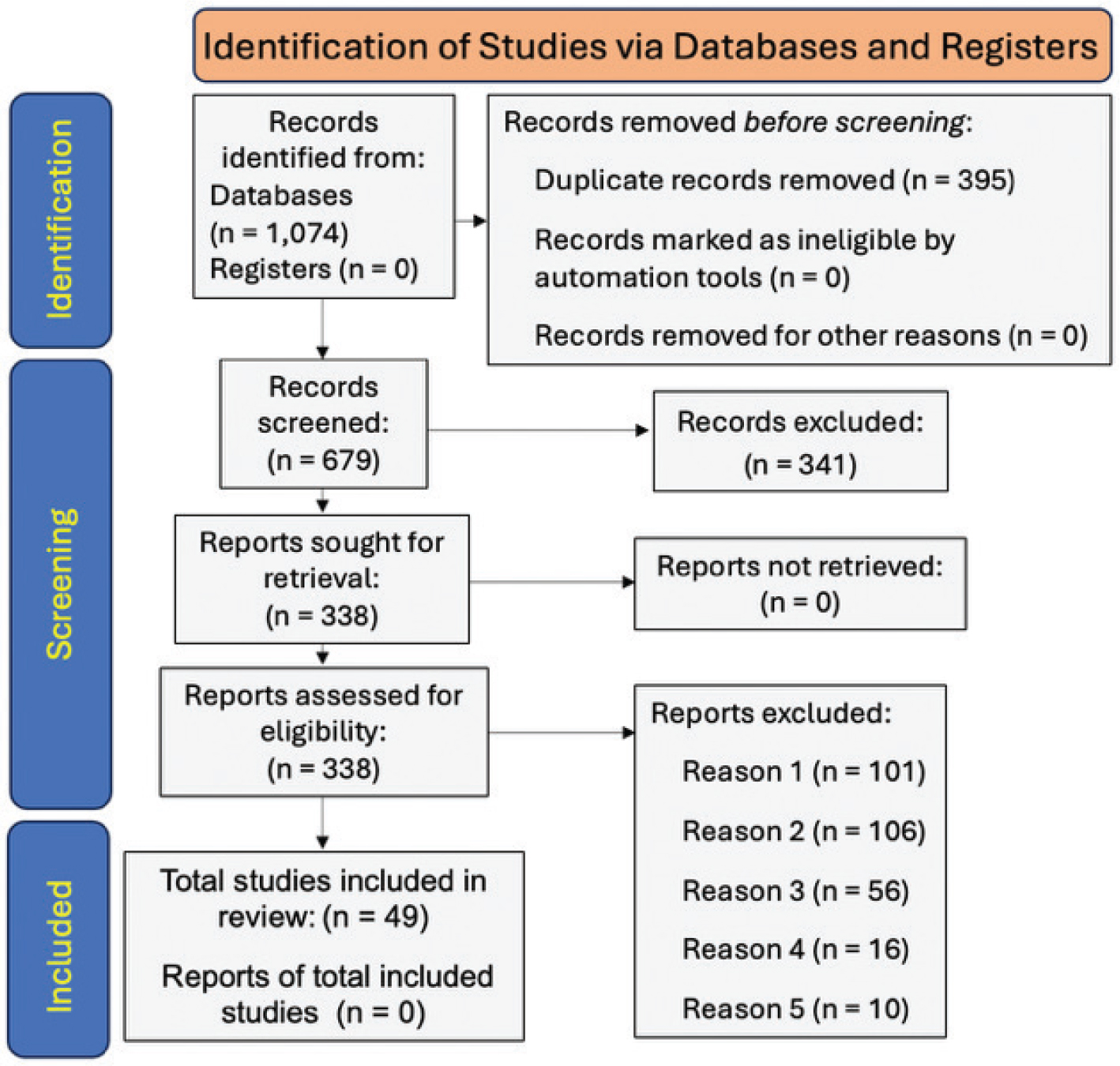
Fig. 1. Search and selection process (PRISMA, flow diagram).
Source(s): Abdelsalam & Ur Rehman’s own creation/work.
Common Characteristics of The Reviewed Articles
The research studies can be categorised into four groups based on their research strategy (Appendix A). The most prominent group is the quantitative studies (n = 24), which are statistical data-based. The qualitative studies (n = 12) examine subjective lived experience, perceptions, and understanding of virtual care from patients’, providers’, and stakeholders’ perspectives. Mixed-methods studies (n = 10) combine quantitative and qualitative aspects to offer a more comprehensive picture of the impact of virtual care, utilising statistical data and rich individualistic insights. Lastly, reviewed articles (n = 3) provided summaries of studies on current virtual care.
Data Collection Methods Used in The Selected Studies
A variety of research methods, such as scoping reviews, cohort studies, and mixed-method studies, were utilised in the included studies. Surveys, for instance, were used in certain studies to achieve broad patient population coverage, whereas interviews or focus groups with patients and healthcare providers were employed to obtain views on the effectiveness of virtual care. Observational studies and randomised controlled trials were common in evaluating the effectiveness of virtual care models. Retrospective cohort designs were used in some studies to compare pre- and post-intervention data. In others, semi-structured interviews or surveys were used to measure user satisfaction and barriers. In some instances, co-designed methodologies involved involvement with demographic groups, such as youth or marginalised people, to make the research inclusive.
Results
Upon reviewing and analysing the previously extracted (n = 49) studies, virtual care services possess significant benefits in the management of long-term illnesses compared to traditional health care services. Among the most notable advantages is a higher level of accessibility and continuity of care due to the research reported by such studies, where virtual care decreased the number of unnecessary face-to-face interactions and increased the management of chronic diseases.9
Patients with chronic conditions require regular follow-ups and continuous monitoring to ensure effective disease management. With telemedicine, they will get access to medical care and check-ups at the right time without the added burden of travelling to a healthcare facility. Individuals who are mobility impaired or live very far away from one of the urban areas can also utilise this convenience in the best way possible to get routine treatment.
As a result of timely medical care and travel convenience, virtual care can also yield greater patient satisfaction and engagement as studies hypothesise that telemonitoring yields healthier patient-provider relationships when implemented appropriately.10 The research on the Technology-Enabled Collaborative Care for Type 2 Diabetes and Mental Health (TECC-D) programme suggested that virtual care can empower patients in self-managing their conditions, aided by virtual consultations with their healthcare provider.11 Virtual clinics also optimise glycaemic control, treatment satisfaction, and quality of life among diabetes patients, with the belief of improved clinical outcomes.12
Discussion
The literature lists many advantages available through virtual care, but it cannot replace traditional healthcare completely. The success of virtual services is also determined by the severity of patient conditions, the need for physical examination, and access to technical infrastructure. The hybrid model involving the integration of virtual care and face-to-face care may best suit patients who have chronic illnesses and need to have regular diagnostic tests or face-to-face assessments. Altogether, virtual care contributes to better disease management, greater convenience, and improved patient outcomes when used correctly as an addition or substitution of conventional healthcare services.
Although virtual care has many advantages, there are obstacles to successful use, which are related to patients with chronic conditions. Some of them include technological constraints such as infrastructure and digital literacy, among the notable barriers. The problem of digital literacy, along with the concerns of unequal access, which highlighted the fact that patients who are not accustomed to digital devices or have no access to a stable internet connection cannot be able to take advantage of virtual services.10
Another issue of concern is the limitation of virtual physical examination. Virtual care might be limited in terms of examination accuracy, particularly in specialties such as otolaryngology.13 Therefore, virtual care could be insufficient for those patients with diseases needing frequent in-person evaluation. It thus necessitates a hybrid approach to care. In addition, the inclusion of virtual care in existing systems of care creates operational and workflow challenges. System integration and workflow improvements were found to be significant concerns in tele-monitoring programmes.14 Physicians and other clinicians may face difficulties adjusting to virtual venues, integrating between in-person and virtual care, and streamlining workflows for digital health records. Reimbursement policies and regulatory infrastructures in certain regions may not sufficiently support virtual consultations due to limited insurance coverage or low reimbursement rates. These constraints further discourage healthcare providers from adopting telemedicine and hinder its broader implementation worldwide. As a result, there is a need to engage all stakeholders, such as patients, healthcare professionals, payers, and caregivers, to support the development of sustainable reimbursement models and regulatory frameworks that facilitate the integration of telemedicine into healthcare systems.
The review illustrated that virtual care services allow patients with chronic conditions to gain access to timely healthcare services without having to make regular visits to a clinician’s clinic (Table 1). Virtual care effectively minimised unnecessary hospital visits, allowed patients to effectively manage their condition, and reduced the burden of spending too many resources on the healthcare system.9 This works particularly well with chronic diseases requiring ongoing monitoring, such as diabetes, hypertension, and heart disease, where virtual platforms make it possible for ongoing care without compromising the standard of treatment. Perhaps one of the most important advantages of virtual care is its ability to promote patient self-management and involvement in their well-being. The virtual Technology-Enabled Collaborative Care programme enabled diabetic patients to become active participants in managing their health.11
| Classification | Variables |
| Virtual Care Adoption & Integration1 | |
| Health Outcomes, Healthcare Utilisation & Service Delivery Health Outcomes, Cost-Effectiveness, Healthcare Utilisation & Service Delivery Health Outcomes, Patient Satisfaction & Engagement Health Outcomes, Patient Complexity & Care Model Preferences Health Outcomes, Cost-Effectiveness, Healthcare Utilisation & Service Delivery Health Outcomes, Patient Satisfaction & Engagement Healthcare Utilisation & Service Delivery, System Integration Healthcare Utilisation & Service Delivery, Patient Complexity & Care Model Preferences Healthcare Utilisation & Service Delivery, Technological Access & Literacy Patient Satisfaction & Engagement, Patient Complexity & Care Model Preferences Patient Satisfaction & Engagement, Technological Access & Literacy Patient Satisfaction & Engagement, Health Outcomes Patient Satisfaction & Engagement, Equity & Access Disparities Technological Access & Literacy, Patient Complexity & Care Model Preferences Technological Access & Literacy, Health Outcomes Technological Access & Literacy, Patient Satisfaction & Engagement Technological Access & Literacy, Healthcare Utilisation & Service Delivery |
|
| Hybrid Model Approach2 | |
| Cost-Effectiveness, Health Outcomes Equity & Access Disparities, Technological Access & Literacy Healthcare Utilisation & Service Delivery Healthcare Utilisation & Service Delivery, System Integration Patient Complexity & Care Model Preferences Patient Satisfaction & Engagement, System Integration Patient Satisfaction & Engagement, Technological Access & Literacy |
|
| Equity-Focused Virtual Care3 | |
| Equity & Access Disparities | |
| References: 1 10–12, 13, 15, 16, 18, 20–22, 24, 25, 27, 28, 30, 31, 33–36, 38, 41, 42, 45, 47, 49, 50–53, 55, 56. References: 2 9, 14, 17, 19, 26, 32, 37, 39, 43, 46, 48, 57. References: 3 23, 29, 40, 44, 54. | |
Limitations and Future Research Directions
One limitation of this review is the heterogeneity of telehealth interventions and results between studies, which creates difficulty in making straight comparisons and syntheses. In addition, most high-income setting studies restrict the ability to generalise to low-resource settings, in which infrastructure and access disparities may significantly alter telehealth effectiveness.
The prevalence of observational study designs within most included studies also compromises causality. Subsequent studies should emphasise standardised outcomes, explore longitudinal effects of virtual care on the management of chronic diseases, and expand studies into underrepresented groups and geographic regions to ascertain whether scalable and inclusive telehealth models are equitable. Moreover, rigorously designed experimental studies are needed to generate stronger causal evidence and support definitive conclusions.
Practical Implications
The current review can be utilised by healthcare institutions, health providers, and technology developers with the goal of improving chronic disease care through telehealth. It might be beneficial to focus on the integration of virtual care into existing healthcare systems at these institutions to enable patients to have greater access to a full range of healthcare services and reduce the expenses, especially for those with mobility or geographic restrictions. Nevertheless, the application of such systems in practice remains conditional on the individualisation of care models to the complexity of patients, digital literacy, equal access, and the correspondence of infrastructure and workflow.
Conclusion
Learnings from evidence-based research on optimal disease management approaches and patient satisfaction with treatment play a critical role in enhancing care delivery processes and maximising patient outcomes and overall health. The use of telehealth facilitated by tailored digital applications is a disruptive innovation in patient health management, as it enables a more personalised and responsive approach to patients. Although it has advantages, the success of virtual care will be determined by variables such as access to technologies, digital literacy, and incorporation into the current healthcare models. Digital literacy remains a key challenge, as not all patients are sufficiently familiar with technology to effectively interact with virtual care platforms.10
In addition, the relevance of the hybrid type of care, where virtual consultations complement physical interaction, has been highlighted to develop an integrated approach to dealing with chronic diseases. This is especially relevant to disease states that involve physical examination or diagnostic procedures that cannot be performed at home, which have to balance virtual and traditional care.
There are several advantages of virtual care for patients, such as more accessibility, patient empowerment, remote patient monitoring, and customised treatment plans. Despite these challenges, such as technical barriers and the demand for hybrid solutions, the data included in the reviews provided in this section demonstrated that virtual care could positively contribute to the management of chronic diseases once it is well-connected to the healthcare systems. In view of the future, a greater investment in expanding the technological platform, increasing the digital capacity, and enacting the policies that are conducive to the sustainable delivery of virtual care should be made. Virtual care can further grow with such developments as an important instrument in the optimisation of patient outcomes.
Contributions
All authors contributed to revising the work for important intellectual content, gave the final approval of the version to be published, and agreed on all aspects of the work. Their specific contributions are as follows: Samar Abdelsalam, writing original draft preparation, conceptualisation, methodology, review, and editing. Ayesha, Nawal, investigation, validation, methodology, review, and editing. Ihtisham Ullah, investigation, validation, methodology, review, and editing. Asad, Ur Rehman, supervision, investigation, validation, conceptualisation, methodology, review, and editing.
Data Availability Statement (DAS), Data Sharing, Reproducibility, and Data Repositories
Contact the corresponding author.
Application of AI-Generated Text or Related Technology
None was used.
Acknowledgments
We would like to gratefully thank all authors of the studies included in this systematic review. We also extend our gratitude to the faculty of Management and Science University, Malaysia, throughout this research, as well as the valuable contributions of all participants involved in the study.
References
- Virtual care clinics [Internet]. Healthdirect.gov.au. Healthdirect Australia; 2024 [cited 2025 Nov 20]. Available from: https://www.healthdirect.gov.au/virtual-care-clinics
- Mahtta D, Daher M, Lee MT, Sayani S, Shishehbor M, Virani SS. Promise and perils of telehealth in the current era. Curr Cardiol Rep. 2021;23(9):1–6. https://doi.org/10.1007/s11886-021-01544-w
- Herzer KR, Pronovost PJ. Ensuring quality in the era of virtual care. JAMA. 2021;325(5):429. https://doi.org/10.1001/jama.2020.24955
- Al Baalharith IM, Aboshaiqah AE. A Delphi study on identifying competencies in virtual healthcare for healthcare professionals. Healthcare. 2024;12(7):1–10. https://doi.org/10.3390/healthcare12070739
- Anthony B. Use of telemedicine and virtual care for remote treatment in response to COVID-19 pandemic. J Med Syst. 2020;44(7):1–9. https://doi.org/10.1007/s10916-020-01596-5
- Scott J, Yellowlees P, Becker DF, Chen C. Virtual care and mental health: dismantling silos to strengthen care delivery. Telemed Rep. 2023;4(1):174–9. https://doi.org/10.1089/tmr.2023.0016
- Centers for Disease Control and Prevention. About chronic diseases [Internet]. Atlanta, GA: CDC; 2025 [cited 2026 Mar 23]. Available from: https://www.cdc.gov/chronic-disease/about/index.html.
- Peer N, de Villiers A, Jonathan D, Kalombo C, Kengne AP. Care and management of a double burden of chronic diseases: experiences of patients and perceptions of their healthcare providers. PLoS One. 2020;15(7):e0235710. https://doi.org/10.1371/journal.pone.0235710
- Cvietusa PJ, Goodrich GK, Steiner JF, Shoup JA, King DK, Ritzwoller DP, et al. Transition to virtual asthma care during the COVID-19 pandemic: an observational study. J Allergy Clin Immunol Pract. 2022;10(6):1569–76. https://doi.org/10.1016/j.jaip.2022.02.027
- Walter R, Schwab SH, Wilkes M, Yourk D, Zahradka N, Pugmire J, et al. Financial and clinical impact of virtual care during the COVID-19 pandemic: difference-in-differences analysis. J Med Internet Res. 2023;25:e44121. https://doi.org/10.2196/44121
- Sherifali D, Whitmore C, Naeem F, Melamed OC, Dragonetti R, Kouzoukas E, et al. Technology-enabled collaborative care for type-2 diabetes and mental health (TECC-D): findings from a mixed methods feasibility trial of a responsive co-designed virtual health coaching intervention. Int J Integr Care. 2024;24:12. https://doi.org/10.5334/ijic.7608
- Nerpin E, Toft E, Fischier J, Lindholm-Olinder A, Leksell J. A virtual clinic for the management of diabetes-type 1: study protocol for a randomised wait-list controlled clinical trial. BMC Endocr Disord. 2020;20:137. https://doi.org/10.1186/s12902-020-00615-3
- Tselapedi-Sekeitto B, Rocha T, Sowerby LJ, Rotenberg B, Biadsee A. Telemedicine as an environmental ally—the social, financial, and environmental impact of virtual care in the otolaryngology clinic. Am J Otolaryngol. 2023;44(2):103791. https://doi.org/10.1016/j.amjoto.2023.103791
- Wali S, Guessi Margarido M, Shah A, Ware P, McDonald M, O’Sullivan M, et al. Expanding telemonitoring in a virtual world: a case study of the expansion of a heart failure telemonitoring program during the COVID-19 pandemic. J Med Internet Res. 2021;23(1):e26165. https://doi.org/10.2196/26165
- Stamenova V, Chu C, Pang A, Fang J, Shakeri A, Cram P, et al. Virtual care use during the COVID-19 pandemic and its impact on healthcare utilization in patients with chronic disease: a population-based repeated cross-sectional study. PLoS One. 2022;17(4):e0267218. https://doi.org/10.1371/journal.pone.0267218
- Zhao B, Zhang L, Ji P, Lin J, Han J, Li J, et al. Bridging “Office-Based Care” with the “Virtual Practice Care Model”: evolving care for chronic kidney disease patients in the COVID-19 pandemic—and beyond. Front Med. 2020;7:568201. https://doi.org/10.3389/fmed.2020.568201
- van der Lande ACMH, Treskes RW, Beeres SLMA, Schalij MJ. Continuum of care: positioning of the virtual hospital. Front Cardiovasc Med. 2021;8:779075. https://doi.org/10.3389/fcvm.2021.779075
- Carter HE, Wallis S, McGowan K, Graves N, Pitt R, Coffey S, et al. Economic evaluation of an integrated virtual care programme for people with chronic illness who are frequent users of health services in Australia. BMJ Open. 2023;13(4):e066016. https://doi.org/10.1136/bmjopen-2022-066016
- Lovo S, Imeah B, Sari N, O’Connell ME, Milosavljevic S, Angarita-Fonseca A, et al. Effectiveness of an interprofessional assessment and management approach for people with chronic low back disorders delivered via virtual care: a randomized controlled trial pilot intervention. Digit Health. 2024;10:20552076241260569. https://doi.org/10.1177/20552076241260569
- Bhatia RS, Chu C, Pang A, Tadrous M, Stamenova V, Cram P. Virtual care use before and during the COVID-19 pandemic: a repeated cross-sectional study. CMAJ Open. 2021;9(1):E107–14. https://doi.org/10.9778/cmajo.20200311
- Fritz BA. Virtual care in nephrology: an in-depth retrospective analysis of outcomes using the reset kidney health model. J Clin Med. 2024;13(1):66. https://doi.org/10.3390/jcm13010066
- Singer A, Kosowan L, LaBine L, Shenoda D, Katz A, Abrams EM, et al. Characterizing the use of virtual care in primary care settings during the COVID-19 pandemic: a retrospective cohort study. BMC Prim Care. 2022;23(1):320.
- Javier SJ, Carey EP, Gunzburger E, Chen HYP, Zeliadt SB, Williams EC, et al. Pain care disparities and the use of virtual care among racial-ethnic minority groups during COVID-19. J Gen Intern Med. 2024;39(S1):68–78. https://doi.org/10.1007/s11606-023-08473-0
- Ferguson JM, Jacobs J, Yefimova M, Greene L, Heyworth L, Zulman DM. Virtual care expansion in the Veterans Health Administration during the COVID-19 pandemic: clinical services and patient characteristics associated with utilization. J Am Med Inform Assoc. 2021;28(3):453–62.
- Modica C, Lewis J, Bay R. Advancing virtual at-home care for community health center patients using patient self-care tools, technology, and education. J Multidiscip Healthc. 2024;17:521–31. https://doi.org/10.2147/JMDH.S443973
- Pham Q, Hearn J, Bender JL, Berlin A, Brown I, Bryant-Lukosius D, et al. Virtual care for prostate cancer survivorship: protocol for an evaluation of a nurse-led algorithm-enhanced virtual clinic implemented at five cancer centres across Canada. BMJ Open. 2021;11(4):e045806. https://doi.org/10.1136/bmjopen-2020-045806
- Katz I, Lane C, Pirabhahar S, Williamson P, Kelly J, Preece R, et al. Integrated virtual medical consultations versus traditional clinic care in a public and a private outpatient service. Integr Healthc J. 2022;4(1):e000061. https://doi.org/10.1136/ihj-2020-000061
- Glovacz JW, Betts SG, Cross S, Powell J. Pharmacists’ impact on quality and financial metrics utilizing virtual care platforms during the coronavirus pandemic. Am J Health Syst Pharm. 2022;79(11):904–908. https://doi.org/10.1093/ajhp/zxac044
- Quinn KL, Stukel TA, Detsky A, Chung H, Anwar MR, Bhatia S, et al. Use of virtual care near the end of life before and during the COVID-19 pandemic: a population-based cohort study. PLoS One. 2025;20(1):e0313766. https://doi.org/10.1371/journal.pone.0313766
- Killackey T, Noel M, Birnie KA, Choinière M, Pagé MG, Dassieu L, et al. COVID-19 pandemic impact and response in Canadian pediatric chronic pain care: a national survey of medical directors and pain professionals. Can J Pain. 2021;5(1):139–50. https://doi.org/10.1080/24740527.2021.1931069
- Velázquez-Jurado H, Pérez-Peralta L, Valle-Nava D, Reynoso-Noverón N, Hernández-Jiménez S, Arcila-Martínez D, et al. Virtual care in patients with type 2 diabetes during COVID-19. Rev Med Inst Mex Seguro Soc. 2024;62(2):1–8.
- Akhter R, Stukel TA, Chung H, Bell CM, Detsky AS, Downar J, et al. Comparison of physician-delivered models of virtual and home-based in-person care for adults in the last 90 days of life with cancer and terminal noncancer illness during the COVID-19 pandemic. PLoS One. 2024;19(11):e0301813. https://doi.org/10.1371/journal.pone.0301813
- Polanco D, González J, Gracia-Lavedan E, Pinilla L, Plana R, Molina M, et al. Multidisciplinary virtual management of pulmonary nodules. Pulmonology. 2024;30(3):239–46.
- Shear D, Harrison LE, O’Brien S, Khazendar Z, Lyons S, Morgan JJ, et al. Rapid transition to virtual assessment and treatment in an interdisciplinary randomized clinical trial for youth with chronic pain: adaptations and implications for future trials. Clin J Pain. 2022;38(7):459–69. https://doi.org/10.1097/AJP.0000000000001040
- Uscher-Pines L, Thompson J, Taylor P, Dean K, Yuan T, Tong I, et al. Where virtual care was already a reality: experiences of a nationwide telehealth service provider during the COVID-19 pandemic. J Med Internet Res. 2020;22(12):e22727.
- Tzeng YH, Yin WH, Lin KC, Wei J, Liou HR, Sung HJ, et al. Factors associated with the utilization of outpatient virtual clinics: retrospective observational study using multilevel analysis. J Med Internet Res. 2022;24(8):e40288. https://doi.org/10.2196/40288
- Gray C, Ambady L, Chao S, Smith W, Yoon J. Virtual management of chronic conditions during the COVID-19 pandemic: insights from primary care providers and clinical pharmacists. Mil Med. 2023;188(7–8):e2615–20.
- Chan-Nguyen S, Ritsma B, Nguyen L, Srivastava S, Shukla G, Appireddy R. Virtual care access and health equity during the COVID-19 Pandemic, a qualitative study of patients with chronic diseases from Canada. Digital Health. 2022;8:205520762210744.
- Bevilacqua M, Melnyk Y, Chiu H, Williams J, Watson P, Lee B, et al. Patient and clinician experiences with the combination of virtual and in-person chronic kidney disease care since the COVID-19 pandemic. Can J Kidney Health Dis. 2023;10:20543581231107255. https://doi.org/10.1177/20543581231217833
- Birnie KA, Killackey T, Backlin G, Gavin F, Harris CR, Jordán I, et al. Ensuring equity and inclusion in virtual care best practices for diverse populations of youth with chronic pain. Healthc Q. 2022;24(SP):25–30. https://doi.org/10.12927/hcq.2022.26778
- Zhang X, McJoynt T, Furst JW, Myers JF. Establishing a patient-centered virtual care model across the continuum of care. J Prim Care Community Health. 2022;13:215013192210888. https://doi.org/10.1177/21501319221088823
- Zickuhr L, McCarthy C, Nolan-Thomas E, Westrich-Robertson T, Baker EA, Hanson JL. Shared decision-making during virtual care regarding rheumatologic and chronic conditions: qualitative study of benefits, pitfalls, and optimization. ACR Open Rheumatol. 2024;6(1):32–42. https://doi.org/10.1002/acr2.11633
- Debono VB, Neumark S, Buckley N, Zacharias R, Hapidou EG, Anthonypillai J, et al. Transition to virtual care services during COVID-19 at Canadian pain clinics: survey and future recommendations. Pain Res Manag. 2023;2023:1–9. https://doi.org/10.1155/2023/6603625
- Pham Q, El-Dassouki N, Lohani R, Jebanesan A, Young K. The future of virtual care for older ethnic adults beyond the COVID-19 pandemic. J Med Internet Res. 2022;24(1):e29876.
- Ramamoorthi K, Liu R, Fujioka J, Rathod P, Rosart J, Desveaux L, et al. Navigating virtual care services in Ontario urban hospitals, using patient journey mapping. J Patient Exp. 2023;10:23743735231179059. https://doi.org/10.1177/23743735231179059
- D’Alessandro LN, Brown SC, Campbell F, Ruskin D, Mesaroli G, Makkar M, et al. Rapid mobilization of a virtual pediatric chronic pain clinic in Canada during the COVID-19 pandemic. Can J Pain. 2020;4(1):162–7. https://doi.org/10.1080/24740527.2020.1771688
- Verweel L, Packham T, Goldstein R, Brooks D, MacKay C. Implementation of virtual pulmonary rehabilitation during the COVID-19 pandemic: experiences and perceptions of patients and healthcare providers. Respir Med. 2024;225:107588. https://doi.org/10.1016/j.rmed.2024.107588
- Bevilacqua M, Chiu H, Melnyk Y, Williams J, Chohan R, Wei J, et al. Protocol for a multistage mixed-methods evaluation of multidisciplinary chronic kidney disease care quality following integration of virtual and in-person care during the COVID-19 pandemic. Can J Kidney Health Dis. 2022;9:205435812211031.
- Nayyar D, Pendrith C, Kishimoto V, Chu C, Fujioka J, Rios P, et al. Quality of virtual care for ambulatory care sensitive conditions: patient and provider experiences. Int J Med Inform. 2022;165:104812. https://doi.org/10.1016/j.ijmedinf.2022.104812
- Smithson R, Roche E, Wicker C. Virtual models of chronic disease management: lessons from the experiences of virtual care during the COVID-19 response. Aust Health Rev. 2021;45(3):311–316. https://doi.org/10.1071/AH20190
- Mukhida K, Stewart J, Mehrpooya R, Fraser J. Virtual care for patients with chronic pain and addictions during the COVID-19 pandemic. Can J Pain. 2020;4(1):179–80. https://doi.org/10.1080/24740527.2020.1785856
- Pu D, Palmer V, Greenstock L, Pigott C, Peeters A, Sanci L, et al. Identifying public healthcare priorities in virtual care for older adults: a participatory research study. Int J Environ Res Public Health. 2023;20(5):4015. https://doi.org/10.3390/ijerph20054015
- Barakat-Johnson M, Kita B, Jones A, Burger M, Airey D, Stephenson J, et al. The viability and acceptability of a Virtual Wound Care Command Centre in Australia. Int Wound J. 2022;19(7):1769–1785. https://doi.org/10.1111/iwj.13782
- Peprah P, Osman S, Mitchell R, Chauhan A, Walsan R, Sina M, et al. Outpatient virtual care among people living with and beyond cancer from culturally and linguistically diverse backgrounds in Australia: a protocol for a realist evaluation. Health Expect. 2025;28(2):e70235. https://doi.org/10.1111/hex.70235
- McConnell M, Kumar P, Mullur R. The virtual visit: a telehealth curriculum for internal medicine residents featuring a virtual physical examination. J Grad Med Educ. 2023;15(5):582–6. https://doi.org/10.4300/JGME-D-22-00635.1
- Birnie KA, Pavlova M, Neville A, Noel M, Jordan I, Jordan E, et al. Rapid evidence and Gap Map of virtual care solutions across a stepped care continuum for youth with chronic pain and their families in response to the COVID-19 pandemic. Pain. 2021;162(11):2658–68. https://doi.org/10.1097/j.pain.0000000000002339
- Buyting R, Melville S, Chatur H, White CW, Légaré JF, Lutchmedial S, et al. Virtual care with digital technologies for rural Canadians living with cardiovascular disease. CJC Open. 2022;4(2):133–47. https://doi.org/10.1016/j.cjco.2021.09.027
Copyright Ownership: This is an open-access article distributed in accordance with the Creative Commons Attribution Non-Commercial (CC BY-NC 4.0) license, which permits others to distribute, adapt, enhance this work non-commercially, and license their derivative works on different terms, provided the original work is properly cited and the use is non-commercial. See http://creativecommons.org/licenses/by-nc/4.0. The authors of this article own the copyright.
Appendix A. Characteristics of the reviewed articles. Numbers are related to articles in the Reference List.
| Study characteristics (n) | |||
| Quantitative (24) | Qualitative (12) | Mixed-Method (10) | Review Articles (3) |
| 9, 12, 15, 16, 17, 18, 19, 20, 21, 22, 23, 24, 25, 26, 27, 28, 29, 30, 31, 32, 33, 34, 35, 36. | 14, 37, 38, 39, 40, 41, 42, 43, 44, 45, 46, 47. | 10, 11, 48, 49, 50, 51, 52, 53, 54, 55. | 13, 56, 57. |
| Source(s): Abdelsalam’s & Ur Rehman’s own creation/work. | |||