NARRATIVE/SYSTEMATIC REVIEWS/META-ANALYSIS
The Role of Healthcare Applications in Promoting Preventive Healthcare in Rural Areas
Masad Saad Almutairi, MSc1,2  , Nik Hanifa Binti Nik Ahmad, DPhil3 , Shuaila Binti Mat Sharani, PhD4 and Muneef Almokhlef Alshammari, PhD5
1Director, Health Information Department, Hafar Al-Batin Health Cluster, Hafar Al-Batin, Saudi Arabia; 2PhD Candidate, Health Informatics Programme, School of Health Sciences, Health Campus, Universiti Sains Malaysia, Kelantan, Malaysia; 3Lecturer, Department of Information, Computer and Communication Technology, School of Health Sciences, Health Campus, Universiti Sains Malaysia, Kelantan, Malaysia; 4Lecturer, Department of Bioinformatics, School of Health Sciences, Health Campus, Universiti Sains Malaysia, Kelantan, Malaysia; 5Assistant Professor, Health Informatics Program, College of Public Health and Health Informatics, University of Hail, Hail, Saudi Arabia
Keywords: eHealth literacy, mHealth, preventive healthcare, rural, Saudi Arabia, Sehhaty
Abstract
Background: Despite the growing use of national mHealth apps in Saudi Arabia as part of Vision 2030, rural prevention outcomes remain uncertain due to the possible lack of transfer of adoption into longer-term preventive practices, as well as usability, trust, and eHealth literacy barriers. The purpose of this report is to assess the impact of healthcare applications, particularly Sehhaty (a national health platform), in facilitating preventive healthcare in rural Saudi Arabia and to investigate the influence of usability, trust, and eHealth literacy on adoption and preventive outcomes.
Methodology: The systematic review was guided by the Preferred Reporting Items for Systematic reviews and Meta-Analyses (PRISMA). Seven databases were searched, covering the dates from January 2018 through December 2024. Ten eligible studies were included after screening. These included studies comprised cross-sectional surveys, mixed-methods studies, and conceptual or model-based analyses.
Results: Access and continuity of services are enhanced with the help of apps, but preventive functions, such as behavior modification, monitoring, and personalizing, are less developed.
Technical usability problems, privacy, and poor eHealth literacy undermine engagement and preventive action, as rural preventive outcomes such as screening uptake, lifestyle modification, and health monitoring behaviors are inferred from engagement and functionality indicators as opposed to measured behavioral outcomes in most of the included studies.
Conclusion: There is support for increasing transparency of privacy and rural eHealth literacy. Synthesis of current evidence on the contribution of Sehhaty and related healthcare applications to preventive healthcare engagement in Saudi Arabia was observed, highlighting:
- the roles of usability,
- trust,
- and eHealth literacy in shaping their potential preventive value.
Plain Language Summary
Saudi Arabia offers free national health apps such as Sehhaty, and many people use them. We reviewed ten studies to see whether these apps help people, especially in rural areas, take steps to prevent illness, such as getting screened or changing daily habits.
- The apps make it easier to book appointments, view health records, and get trusted health information.
- Features that support prevention, such as reminders, health tracking, and personal advice, are still limited.
- App crashes, confusing menus, privacy worries, and low digital skills stop many people from using the apps fully.
- Few studies measured real preventive actions, and none reported results separately for rural residents.
- Simpler app design, clearer privacy rules, and digital skills training in rural communities could help these apps do more to prevent disease.
Key Findings
- Despite extensive use, it is uncertain whether mHealth translates into better preventive behaviors, particularly in rural regions of Saudi Arabia.
- Rural population characteristics in the context of Saudi healthcare planning include living outside large urban centers.
- This conflict between the promise of technology and the unequal effect on the real world highlights the main issue that drives the current study.
Citation: Telehealth and Medicine Today 2026, 11: 678.
DOI: https://doi.org/10.30953/thmt.v11.678
Copyright: © 2026 M.S. Almutairi et al. This is an open-access article distributed in accordance with the Creative Commons Attribution Non-Commercial (CC BY-NC 4.0) license, which permits others to distribute, adapt, enhance this work non-commercially, and license their derivative works on different terms, provided the original work is properly cited and the use is non-commercial. See http://creativecommons.org/licenses/by-nc/4.0. The authors of this article own the copyright.
Submitted: December 26, 2025; Accepted: July 22, 2026; Published: September 30, 2026
Corresponding Author: Masad Saad Almutairi, Email: asd142712@gmail.com
Competing interests and funding: No funding was applied to the development of this article.
Financial and Non-Financial Relationships and Activities: None.
The rapid pace of digital innovation has reshaped how individuals perceive, acquire, and manage their own health, though not all groups have experienced this change equally. Mobile health (mHealth) applications have the potential to offer unexplored possibilities of preventive care in Saudi Arabia, where healthcare modernization is a national priority. Nevertheless, despite their extensive use and their exposure to the general population, it remains uncertain whether such tools translate into better preventive behaviors, particularly in rural regions of Saudi Arabia, where digital literacy, infrastructure, and availability of services to the population continue to be an issue. Rural population characteristics in the context of Saudi healthcare planning include, but are not limited to, living outside large urban centers and often lacking access to primary healthcare facilities, poor infrastructure, and differences in digital access and health literacy.1
This conflict between the promise of technology and the unequal effect on the real world highlights the main issue that drives the current study: the necessity to critically assess whether healthcare applications, in particular Sehhaty (a national health platform), are serving their purpose of enhancing preventive healthcare at the community level.
mHealth applications have become critical mechanisms in global health systems for providing preventive services, early diabetes diagnosis, remote health monitoring, personalized treatment, and health-conscious behavioral changes.2 Such digital tools have also been identified on an international level as minimizing access gaps, geographical barriers, and continuity of care support.3 The data from multiple low- and middle-income environments indicate that m-health interventions can significantly influence prevention outcomes by potentially simplifying communication, making it easier to adhere to the recommendations, and empowering patients.4 Although the perspectives on m-health innovations are encouraging all over the world, country-specific assessments are indispensable, as the effectiveness of m-health technologies is strongly correlated with contextual factors, including digital literacy, infrastructure maturity, and public attitudes toward technologies.3
Digital health transformation has been adopted by Saudi Arabia as one of the pillars of Vision 2030, with an emphasis placed on technology-oriented changes, which will underline the provision of accessible, equitable, and high-quality healthcare. To increase access to medical services, enhance health education, and implement preventive health interventions, the Ministry of Health has introduced a number of national applications: Sehhaty, Tawakkalna, Tabaud, Sehha, Mawid, and Tetamman.5 The Sehhaty application is the flagship application and helps with the following: providing appointment booking services, providing access to the electronic health record, providing COVID-19 tracking services, and acting as a centralized distributor of verified health information to citizens. Combining all these functions, Sehhaty aims to operationalize the Vision 2030 goal of developing a technologically empowered, prevention-focused healthcare system.6 Nevertheless, although the adoption rates of apps may seem high in large cities, downloads and registrations do not reflect meaningful user engagement, behavior change, or better preventive health outcomes.4
The effectiveness of digital health interventions might vary across geographical and population groups because access to healthcare services, digital infrastructure, and eHealth literacy are not uniformly distributed. They can impact the capability to use healthcare apps continuously, especially in instances of inadequate technical support, digital proficiency, or service availability.7,8 Although the international evidence has noted the effectiveness of m-health solutions in lowering logistical barriers to care, national studies in Saudi Arabia demonstrate a huge gap; empirical studies addressing the actual preventive effects of such applications are scarce.9 Lacking a proper analysis, policymakers can assume that digital transformation is a sufficient state of affairs to improve preventive healthcare but disregard certain more significant behavioral, social, and infrastructural determinants of better health outcomes.10
Application design, usability, trust, and eHealth literacy are vital in this national context.11 Research indicates that digital health literacy determines how a user navigates applications, comprehends health information, and uses it to make personal decisions.12 Similarly, perceptions of trust and privacy play an important role in shaping user engagement, particularly in health systems with a high rate of digitalization.13 In addition, official social channels or app store marketing are outreach initiatives that serve as crucial indicators of initial adoption.9 However, the dynamics between these processes and the real-world adoption of preventive healthcare in Saudi Arabia have not been assessed systematically.12 Particularly in rural areas, the question is not necessarily whether applications are in place but whether they are usable, trusted, contextually appropriate, and sufficiently integrated into wider healthcare systems.14
The authors of this study address these important issues by providing an in-depth examination of the relevance of healthcare applications in promoting preventive healthcare in Saudi Arabia. The specific focus is on the Sehhaty application and its applicability in the rural environment. The research fills a significant void of research in the literature, as it considers not only adoption rates but also the processes of usability, trust, eHealth literacy, engagement, and contextual barriers. It is the synthesis of the current body of knowledge that enables the study to introduce the role of digital tools in enhancing preventive behavior, the factors that hamper their application, and how they need to be further enforced in the healthcare systems through a systematic literature review of the 10 most current and relevant studies on m-health applications and preventive healthcare in Saudi Arabia. The findings apply to the national initiatives of digital health utilization to offer evidence-based suggestions on the methods of reinventing and enhancing the app design, community outreach, and equitable access to preventive care in Saudi Arabia.
Significance of the Study
The results reported here are of significant value to the academic and practical spheres, as they tackle a highly important area of the digital transformation of health in Saudi Arabia that has been under-researched. Although national apps such as Sehhaty have been widely used as part of Vision 2030, there is a lack of empirical evidence on their effectiveness in promoting preventive healthcare, especially in rural areas of Saudi Arabia. The study contributes to mechanism-based knowledge of how digital health interventions translate into real-world outcomes by assessing the effects of usability, trust, engagement, and eHealth literacy on the interpretation of app adoption and preventive healthcare practices. This is particularly useful in situations where such technologies might be constrained by structural and digital illiteracy.
The results provide practical information to policymakers, healthcare administrators, and digital health designers willing to make national health applications more effective. By determining the drivers that facilitate and challenge the successful integration of Sehhaty into the preventive health pathways, the results of the study will aid in creating more targeted outreach approaches as well as user-centered interface customs and equitable digital health policies. Finally, the results will support the national agenda to enhance citizen health, reduce preventable diseases, and provide equitable access to digital healthcare services across all of Saudi Arabia. This study is guided by the following two core research questions:
(1) To what extent do healthcare applications, particularly the Sehhaty application, contribute to facilitating access to and engagement with preventive healthcare services?
(2) How do factors such as usability, trust, and eHealth literacy influence adoption, engagement, and potential preventive health outcomes associated with the use of Sehhaty?
Literature Review
Preventive healthcare is established as a pillar of contemporary healthcare systems because nations recognize the advantages of reducing disease burden and improving long-term well-being through proactive intervention.15 mHealth applications have been revolutionary in this shift, providing opportunities to monitor remotely, deliver health education, detect diseases early, and self-manage chronic diseases.16 Evidence suggests that mHealth technologies may support a shift from reactive care toward more proactive approaches to prevention and chronic disease management, although their effectiveness depends on the design of the intervention and the context in which it is implemented.17,18 It has been reported that mHealth tools are associated with improved patient engagement, more effective chronic disease management, increased treatment adherence, and significant changes in lifestyle behaviors globally, underscoring their importance in prevention plans.16,19 Their long-term influence, however, is highly dependent on situational circumstances, user profiles, and system-level preparedness, meaning that functionality may differ significantly across areas and groups of people.
The international literature affirms that mHealth applications yield substantial preventive health gains in appropriate settings. Randomized controlled interventions demonstrate that mHealth users exhibit better dietary, physical activity, sleep quality, medication adherence, and risk-reducing behavior changes than controls who receive conventional health education.15 In large meta-analyses, there are also substantial reductions in blood pressure, HbA1c, cholesterol, and sedentary behavior after sustained use of the app. However, the results are generally moderated by usability, personalization, and cultural relevance.17,18,20 The central role belongs particularly to quality and usability: Giebel et al.21 identified 16 dimensions of app quality, such as usability, design, privacy, accuracy, and interoperability, which reflect the distinction between short-term use and long-term preventive effects. Simultaneously, international research notes that digital health disparities persist, particularly among the elderly, low-literacy populations, and people living in rural regions with limited connectivity and low digital literacy rates.7 Therefore, global evidence highlights that although mHealth can substantially enhance preventive healthcare, its effects are contextually moderated by access, trust, literacy, and technological facilities.
Such international observations provide valuable background for the Saudi Arabian environment, where the use of healthcare applications has grown exponentially due to Vision 2030. Moreover, the Ministry of Health has also introduced several national digital health portals, including Sehhaty, Tawakkalna, Mawid, Sehha, Tetamman, and Tabaud, to make it more accessible and increase the level of preventive care and remote service delivery.5 They were quickly adopted during and after the COVID-19 pandemic, which made Saudi Arabia a pioneer in digital health change in the Gulf region. However, empirical evidence shows that, despite frequent use of these applications by Saudi residents, their impact on prevention remains limited due to structural, usability, and literacy-related barriers.8,22,23
Importantly, the majority of these studies do not directly measure preventive outcomes such as screening uptake, vaccination compliance, or sustained lifestyle modification. Instead, rely on proxy indicators, including application usage, satisfaction, or perceived access to services. The literature on the assessment of Sehhaty and other healthcare applications among the Saudi population is increasing. In their study, Almoajel et al.23 found that the majority of Riyadh residents (90%) use health applications, with the most frequent being Sehhaty, although participants consistently report issues of poor interoperability, technical difficulties, and challenges with usability, making long-term engagement less achievable. Alharthi22 conducted a review of 21 national mHealth applications, observing that telemedicine and appointment booking features are highly developed, but preventive functions are less developed, especially behavior modification functions, continuous health monitoring, and personalized recommendations, which make the applications less preventive. In the same vein, Alzghaibi8 documented that patients with chronic diseases who used Sehhaty reported privacy concerns, accessibility, and technical challenges that deterred prevention strategies such as screenings and lifestyle changes. The analysis points to an enormous gap between the supply of digital resources and their practical implications for society.
Collectively, the results of these studies indicate that current evidence predominantly evaluates application adoption, usability, and user experience, whereas direct assessment of preventive behavioral outcomes remains limited. Thus, the current evidence is more likely to provide information on what mechanisms affect engagement, and not on the effectiveness of healthcare apps in shifting measurable preventive outcomes.
These inequalities are further exacerbated in rural populations, where limited internet access, limited access to digital technologies, and digital illiteracy might hinder consistent, effective use of digital health services. The literature broadly confirms that digital illiteracy and rural living hinder engagement with digital health, and Saudi research has already identified connectivity, accessibility, and digital literacy as barriers to the use of telehealth and mHealth services.7,24 Alharbi et al.9 also noted that empirical research on the relationship between health applications and measurable preventive outcomes has yet to be conducted, particularly in rural regions, regardless of national development level. Such a gap underscores the need for research to go beyond user satisfaction to determine the real preventive effects of screening uptake, vaccination practices, and lifestyle changes.
The global study of emerging technologies has also shed light on avenues to enhance preventive effects through sophisticated digital tools. AI-based health applications, data systems providing information security, IoT-based smart solutions, and federated learning use cases have demonstrated promise in improving accuracy in preventive approaches, privacy protection, and personalized interventions.14 However, in Saudi Arabia, although there are pilot projects, institutional preparedness, and regulatory sophistication, low levels of digital literacy remain impediments to large-scale adoption.25,26 Such tendencies highlight that the efficiency of healthcare applications, such as Sehhaty, is not merely a matter of technological accessibility but also of users’ abilities and the willingness of health systems to enable preventive digital change.
Based on this synthesis, several important variables are identified as determinants of the effects of healthcare applications on preventive healthcare uptake in rural areas of Saudi Arabia. These are directly related to the research questions of the current study. To begin with, usability is a key factor in intuitive design, simple navigation, and personalization that help determine whether people living in rural areas in Saudi Arabia will adopt and regularly use apps to prevent illnesses and diseases.21,23 Second, user confidence is affected by trust and privacy, especially in a community where users are intimidated by fears of sharing data with the wrong party or being misled.8,27 Third, eHealth literacy is a critical prerequisite for adoption and preventive outcomes. Digitally less literate users find it difficult to read health information, engage with application functionality, or respond to preventive recommendations, thereby reducing the effectiveness of mHealth devices.7,28,36 The combination of these elements defines the extent to which healthcare applications, particularly Sehhaty, can promote preventive practices, including lifestyle modifications, screenings, and vaccination compliance, among rural communities. In order to explain the theoretical links addressed in the present study, a conceptual framework was created that showed the possible pathways that healthcare applications might lead toward in order to bring about preventive engagement in healthcare.
Figure 1 demonstrates that the framework incorporates major determinants reported in the literature, such as application usability, perceived usefulness, and trust-related variables, which are often connected with digital health adoption and continued use.
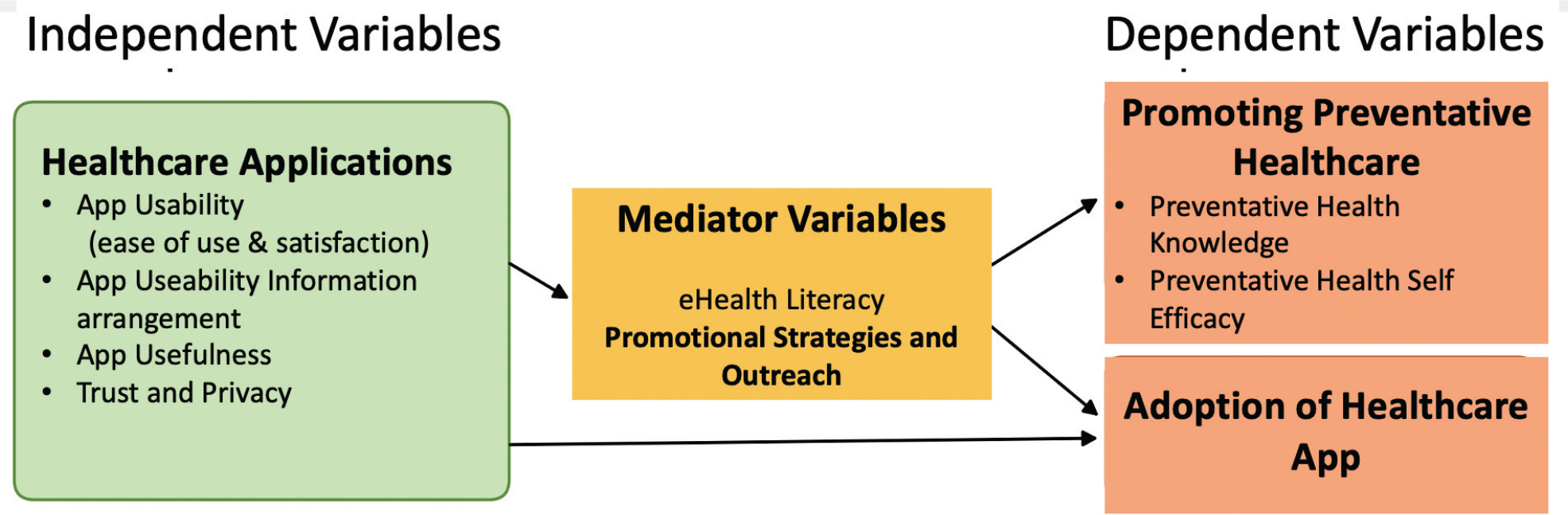
Fig. 1. Conceptual framework of healthcare application characteristics, mediating factors, and preventive healthcare outcomes.
Moreover, the framework includes mediating factors that can affect users’ interpretation and use of healthcare applications. Specifically, eHealth literacy, promotional strategies, and outreach are viewed as enabling factors that contribute to a user’s ability to access, comprehend, and successfully use digital health tools. The combination of these factors into a single model provides a systematic description of the relationships among the features of healthcare applications, mediating factors, and preventive healthcare outcomes.
The conceptual framework was developed from themes identified across the included studies and is intended to illustrate the proposed relationships identified through the literature synthesis rather than an empirically validated model.
The independent variable is represented by the healthcare applications as shown in Figure 1 and involves various functional attributes that include application usability (ease of use and user satisfaction), information organization, perceived usefulness, and trust and privacy considerations. It is conceptualized as these attributes can affect the uptake of healthcare applications or potentially the role of healthcare applications in preventive healthcare engagement.
The framework also determines eHealth literacy, promotional strategies, and outreach as mediating variables that can condition the relationship between characteristics of healthcare applications and user outcomes. Improved eHealth literacy could allow people to navigate digital platforms more effectively, better comprehend health-related data, and use it when making health-related decisions. On the same note, outreach and promotional activities can raise awareness of digital health services and facilitate the long-term use of healthcare applications.
The variables that underscore preventive healthcare promotion and serve as dependent variables in the model are the adoption of healthcare applications and prevention promotion indicators, such as preventive health knowledge and preventive health self-efficacy. By doing so, the framework conceptualizes preventive healthcare engagement as a process mediated by the interplay among technological characteristics, personal digital capabilities, and communication plans within a wider digital health ecosystem.
Despite this, there is a gap in the evaluation of preventive outcomes in rural Saudi Arabia. Most of the existing literature focuses on usability, satisfaction, or adoption rates but does not explain how app use translates into specific, quantifiable preventive measures. There are very limited studies investigating how usability, trust, literacy, and engagement interact to influence preventive outcomes, which is needed to comprehend the complexity of rural areas in Saudi Arabia. The present research addresses these gaps by examining the extent of applying Sehhaty in preventing healthcare issues, why it is implemented, and whether it is successful among rural Saudi Arabian residents. To be more specific, although the number of studies evaluating country-specific mHealth usage in Saudi Arabia has increased, most existing literature focuses on adoption rates, usability, or user satisfaction, and there is a scarcity of direct evaluation of preventive behaviors (e.g., screening uptake, vaccination compliance, or long-term maintenance of lifestyle change). Also, rural-specific studies are rarely described, with many studies utilizing urban or nationally aggregated samples and not disaggregating them or situating them in the context of rural areas in Saudi Arabia. As a result, the extent to which application use translates into quantifiable preventive outcomes in rural environments is more an inference than an empirical finding in the existing literature.
Materials and Methods
This review was conducted to explore the literature on the role of healthcare applications in promoting preventive healthcare in rural areas in Saudi Arabia. It was not prospectively registered. No review protocol was prepared. No restriction based on rural or urban setting was applied during study selection. However, findings were interpreted with consideration of their relevance to rural contexts where applicable. Moreover, the literature on factors such as usability, trust, and eHealth literacy that influence adoption, engagement, and preventive health outcomes associated with Sehhaty use was reviewed. The focus of interest was healthcare applications in Saudi Arabia and their role in promoting preventive healthcare. Eligibility criteria for this review included research articles investigating this topic under investigation. Studies published before 2018 were excluded to align with the most recent phase of digital health transformation in Saudi Arabia, particularly following the expansion of national healthcare applications during and after the COVID-19 pandemic. Conceptual and model-based studies were considered if they offered theoretical or implementation frameworks that were directly applicable to the adoption of health care applications, their usability, trust, or eHealth literacy in Saudi Arabia. Although these studies did not report empirical preventive outcomes, they contribute to understanding mechanisms underpinning the implementation and use of national healthcare applications.
English-language studies published between January 2018 and December 2024 were eligible for inclusion. This period was prioritized because of the substantial expansion of national digital health applications, accelerated by the implementation of Saudi Vision 2030 and the rapid adoption of digital health services in the wake of the COVID-19 pandemic, such as Sehhaty. Case reports, editorials, and opinion pieces were excluded because they lack original empirical data relevant to this review. In evaluating the articles, the study focused on reviewing original research exploring healthcare applications and the factors influencing their adoption. In this study, the search engine consisted of seven main electronic databases, namely, PubMed, Embase, MEDLINE, ScienceDirect, PsycINFO, CINAHL, and Web of Science. In the search process, several keywords were used, namely, “healthcare application,” “trust,” “e-health literacy,” “usability,” and “preventive care.” Boolean operator combinations were used to modify the search technique for each database. “mHealth” OR “mobile health application” OR “healthcare app” AND (“Sehhaty” OR “national health application”) AND (“preventive healthcare” OR “screening” OR “health behavior” OR “lifestyle modification”) AND (“Saudi Arabia”) AND (“usability” OR “trust” OR “eHealth literacy”) is an example search string that was used in PubMed. The search started in November and ended in December 2024.
In writing the literature review, the authors followed the Preferred Reporting Items for Systematic reviews and Meta-Analyses (PRISMA) guidelines. The initial search identified 500 records, with search terms applied to titles and abstracts. After 250 duplicate records were removed, the remaining 250 records were screened by title and abstract, and 235 were excluded because they did not address the review topic or the population of interest. The full texts of the remaining 15 reports were sought and assessed for eligibility. Five reports were excluded: three were available only as abstracts, and two were not published in English. Consequently, 10 studies were included in this review. The identification, screening, eligibility, and inclusion stages are shown in Figure 2.
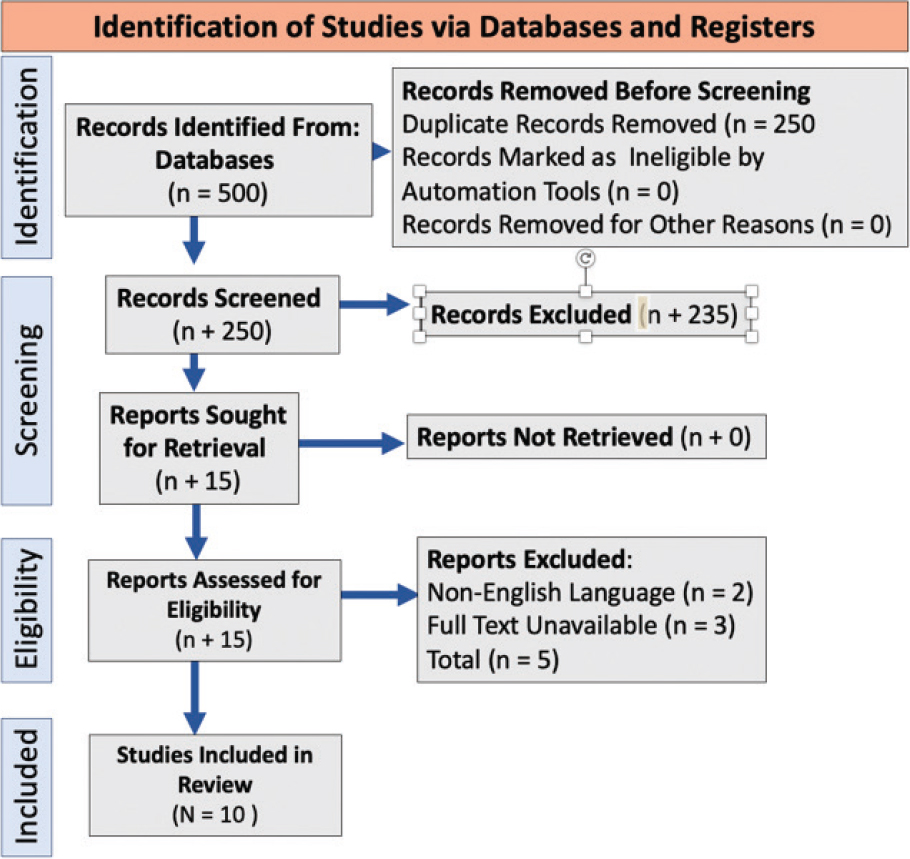
Fig. 2. PRISMA 2020 flow diagram of study identification, screening, and inclusion. PRISNA: Preferred Reporting Items for Systematic Reviews and Meta-Analyses .
The methodological quality of the included studies was assessed using the standard quality assessment criteria developed by Kmet et al.29 The checklist contains 14 items, each scored as 2 (yes), 1 (partial), or 0 (no). Items that did not apply to a given study design were marked as not applicable and excluded from the calculation. For each study, a summary score was obtained by dividing the total score by the maximum possible score for the applicable items. Summary scores ranged from 0.67 to 0.99. The quality appraisal was performed by the primary reviewer and independently verified by a second researcher. Data extraction was carried out by the primary reviewer using a standardized extraction form and checked independently by the second reviewer for completeness and consistency. Any discrepancies were resolved through discussion.
The quality of the included studies was assessed using the quality assessment criteria developed by Kmet et al.,29 which include 14 items that score from 0 to 2, that is, (0) not applicable, (1) partially applicable, and (2) fully applicable. The authors calculated the score of each study. Then the score of each study was the sum of scores obtained on the pertinent items. Then the study divided the sum by the highest optimal score after omitting inapplicable items. The final results revealed that the article’s quality scores ranged from 0.67 to 0.99. To establish validity, the reviewed studies were evaluated by another researcher, indicating a single-review screening process with independent secondary verification for quality appraisal. Data extraction was undertaken by the primary reviewer using a standardized data extraction form and independently checked by a second reviewer for completeness and consistency. Any discrepancies were resolved through discussion.
Data Abstracting and Recording
The reviewed studies related to the topic under investigation were summarized and tabulated. Data collected from each study included author, publication year, country, objective, population and sample size, methodology, main findings, and study setting (urban, rural, or nationally representative sample).
Data Synthesis
Because different study designs and outcome measures were used across the studies, a narrative thematic synthesis approach was used. Based on reported results regarding usability, trust, engagement, and preventive service utilization, studies were synthesized, with special consideration given to mechanisms that could relate to preventive healthcare practices.
Results
Study Selection and Characteristics
A total of 500 records were identified from the seven databases, and 250 duplicate records were removed, leaving 250 records for screening. During the screening, 235 records were excluded because they were not relevant to the themes and population of interest for the review, while 15 reports were sought for retrieval, all of which were successfully obtained. The 15 reports were then assessed for eligibility, and five reports were excluded, three because the full text was not available and two because they were not written in the English language. As a result, ten studies were included in the final synthesis, and the study selection process is shown in Figure 2.
The ten included studies were all conducted in the context of Saudi Arabia, and they were published between 2018 and 2025. As for the study designs, six of the included studies used a cross-sectional survey design,8,23,30,31,32,34 two studies used an application-evaluation or content-analysis design,9,22 and two studies were conceptual or model-based analyses that did not report a primary sample.33,35 The sample sizes of the survey-based studies ranged from 318 respondents 31 to 444 respondents,23 and it should be noted that most of the samples were drawn from the general adult population or from patients with a specific condition, such as chronic disease8 or mental health conditions,30 rather than from a rural-specific sample. The quality of the included studies was appraised using the Kmet et al.29 criteria, and the quality scores of the included studies ranged from 0.67 to 0.99, which is considered to indicate an acceptable to good methodological quality across the included studies. A summary of the characteristics and the main findings of the 10 included studies is provided in the Appendix.
Access, Continuity, and Adoption of Healthcare Applications
The included studies indicated consistently that healthcare applications in Saudi Arabia, and Sehhaty in particular, are used widely for access-related functions, and these functions include appointment booking, access to the electronic health record, and teleconsultation.22,23,32 Almoajel et al.23 found that 90% of a sample of Riyadh residents used digital health applications, and Sehhaty was reported as the most frequently used application among them. Similarly, Alharbi et al.32 found that users of the Seha application reported significantly higher scores for ease of access to healthcare services than non-users. On the other hand, the thematic mapping of the features of 21 national mHealth applications by Alharthi22 indicated that appointment booking (86%) and telemedicine (76%) were the features most widely implemented, whereas features such as health device integration (24%) and a symptom checker (19%) were implemented in fewer than a quarter of the applications reviewed.
Usability, Functionality, and Preventive Features
Regarding usability, the included studies reported mixed satisfaction with some core functions and persistent technical problems. Alzghaibi8 reported that a sample of 344 patients with chronic diseases identified frequent application crashes, slow responsiveness, and navigation difficulties as the primary barriers to using the Sehaty application. Similarly, Alanzi31 found that although participants rated the ease of learning and the interface favorably, they rated the ability to recover from mistakes and navigation consistency less favorably. The evaluation of six COVID-19 applications by Alharbi et al.9 using the Mobile Application Rating Scale reported overall quality scores that ranged from 3.26 to 3.69, and it was noted that the functionality of the applications was rated higher than the engagement and satisfaction dimensions. Collectively, these findings are consistent with the observation that preventive, behavior-oriented functions remain underdeveloped in comparison with the access-oriented functions of the applications.
Trust, Privacy, and eHealth Literacy
The included studies also identified trust, privacy, and eHealth literacy as factors that influence users’ engagement with healthcare applications. Elkhalifa et al.34 tested an exploratory model with 394 respondents and found that perceived benefits, perceived behavioral control, and perceived ease of use were positively associated with cues to action toward using e-health applications, whereas perceived threat was negatively associated with cues to action. Aljohani and Chandran33 proposed a conceptual model in which individual perceptions, technological complexity, social influences, and organizational readiness were identified as factors shaping the adoption of m-health applications in Saudi Arabia. In addition, Jadi35 proposed an artificial intelligence- and big-data-enabled mobile health services framework, and preliminary testing reported 95% accuracy in risk-prediction and mitigation tasks; the framework was proposed, in part, to extend healthcare services to underserved and remote populations, including pilgrims.
Preventive Outcomes
None of the ten included studies directly measured preventive outcomes, such as screening uptake, vaccination compliance, or sustained lifestyle modification. Instead, the included studies relied on proxy indicators, including application usage, user satisfaction, and perceived access to healthcare services. Furthermore, only one of the included studies, that is, the study of Atallah et al.,30 reported a behavioral-intention indicator that is directly related to a preventive practice, and this study found that 64% of a sample of 376 patients with depression or anxiety expressed an interest in the use of a mobile application to track their condition. Accordingly, the current evidence in Saudi Arabia focuses on adoption and satisfaction with healthcare applications and, to a much lesser extent, on measurable preventive health behaviors, particularly among rural populations.
In this study, preventive healthcare outcomes are defined as measurable indicators, including screening uptake, vaccination compliance, and sustained lifestyle modification behaviors; however, such outcomes were not directly assessed in most of the included studies. It is worth noting that some of the included studies had urban or nationally representative samples without disaggregated analyses of rural areas in Saudi Arabia; this limits the extent to which rural-specific preventive outcomes can be directly evaluated based on the available evidence.
Preventive Contribution of Sehhaty in Rural Saudi Arabia
In the evidence reviewed, there is evident potential for healthcare applications in Saudi Arabia, and particularly Sehhaty, to promote preventive healthcare, whereas the preventive effect in rural regions will be conditional rather than automatic. The ecosystem provides preventive access nationally in terms of appointment booking, verified health information, and centralized services, but high downloads do not always result in long-term engagement and preventive behavior change.4,5
Research on the app landscape in Saudi Arabia suggests that service-based functionalities (teleconsultation, booking, records, and medication management) are most prevalent, whereas prevention-oriented ones (behavior modification, continuous monitoring, and individual preventive coaching) are underdeveloped.22 This is consistent with the fact that the effectiveness of mHealth may be influenced by contextual preparedness, especially digital literacy and infrastructure maturity, which means that rural settings present a high-risk context of real-world effect imbalance despite high adoption rates.3,7 Thus, the depth of the preventive role of Sehhaty in rural Saudi Arabia should be seen as moderate and disproportionate: it enhances the access channels but fails to systematically generate quantifiable preventive behaviors unless the usability, trust, and literacy levels are appropriate.8,12 Considering that the majority of the reviewed studies describe correlational indicators, including engagement or satisfaction, but not direct behavioral prevention measures.
Engagement Versus Adoption: Why Rural Outcomes Lag
One theme identified is the lack of a gap between initial adoption and meaningful use. Based on the usage of mental health apps, there is evidence that Saudi users tend to be highly familiar with their smartphones and apps and are willing to use apps to manage their health, especially among the younger demographics.30 Nonetheless, according to post-pandemic satisfaction research, even when usability is moderate to good, long-term intention may be weak when engagement stems from necessity rather than intrinsic value.31
This contributes to the rural preventive limitations: rural people may download or sign up as required by the system or preventive campaigns, but uptake of prevention will be determined by the app’s ability to offer continuous value, low effort, and relatable advice.4,31 Moreover, since the COVID-19 pandemic, Saudi Arabian app ecosystems have become more super-app-integrated to enhance service bundling, but this does not necessarily enhance preventive capacity unless behavior-change tools are provided or are just superficial.22 In brief, the rural setting can be engaged at the access tier, but with lower conversion to preventive outcomes due to inadequate prevention-oriented engagement mechanisms.22,23 The studies reviewed seldom mentioned the combination of behavior-change support strategies such as personalized reminders, goal-setting interfaces, or continuous monitoring features.
Usability as A Gatekeeper of Preventive Practice
The importance of usability as a determining factor in adoption and continued use is always evident in scenarios with heterogeneous levels of digital skills. Systematic evidence of Sehhaty barriers points to technical instability (crashes), navigation and task-completion issues, and inability to find the necessary information, which are direct issues that negatively affect engagement and satisfaction.8 App evaluation work is also associated with the ongoing reporting of usability and accessibility issues and a lack of provider workflow support (e.g., check-ins, queue/wait-time features), which might reduce real-world performance and deter subsequent use.22
Notably, the general Saudi evidence indicates that the most effective app success arises when there is an increase in access and system efficiency, which is the case with Seha users, indicating higher perceived access and satisfaction than non-users, but there is a decline in perceived access and satisfaction in the face of technical problems.32 In the case of rural preventive care, these results mean that there is an effective mechanism: if the user cannot consistently navigate, comprehend, and fulfill the preventive tasks (screening booking, reminders, and lifestyle tracking, including self-monitoring of chronic risk factors and appointment-based screening attendance), the preventive value is constrained in spite of the existence of basic services. This underlines Research Question 2 by suggesting that usability is not only a design choice but also a prevention facilitator, particularly in environments where rural limitations have already diminished tolerance to delays and numerous unsuccessful experiences.8,22
Trust, Privacy, and the “Confidence Barrier”
The issues of trust and privacy are repeatedly cited as obstacles that undermine interaction, especially in delicate health practices. The data collected from mental health app users indicate privacy concerns, yet a subset of users reports having few concerns, suggesting that trust levels vary across user groups and perceived risks.30 Privacy and security are even more significant in the context of chronic disease: a lack of transparency regarding the use of medical data and feelings of insecurity undermine trust and satisfaction.8 Trust, anxiety, and data security also become key determinants in conceptual adoption work, as they do not act independently but interact with technical, social, and organizational preparedness.33
Benefits, defined as perceived ease of use and behavioral control, are reported as important in empirical models to influence engagement, with lower perceived behavioral control and greater perceived threat prompting cues to action.34 In rural environments, where institutional trust and digital confidence might already be weak, privacy issues can lead to preventive actions, including screening, constant monitoring, and preemptive disclosure of symptoms, which disproportionately affect these communities. Therefore, trust can be viewed as a type of confidence barrier: meaningful preventive use cannot occur without credible promises and open data management.8,34 It is crucial to differentiate between technological trust pertaining to platform dependability and data security and institutional trust in healthcare authorities.
Ehealth Literacy and Rural Digital Inequality
One of the last prevailing themes is eHealth literacy in determining the outcomes of apps in achieving preventive results. The literature reported here argues across the board that digital literacy will result in users being able to navigate apps, understand health information, and make decisions based on it.12 The analysis of national mHealth applications also indicates persistent barriers to digital literacy and accessibility, particularly among older adults and users with disabilities.8,22 The analysis of app ecosystems also shows that there are always unresolved literacy gaps and barriers to access, and people of older age and with disabilities are particularly at risk.8,22 This is one of the reasons why preventive functions, which are already less impressive in terms of features, are not most frequently used in rural areas in Saudi Arabia. Prevention may require ongoing self-management, understanding of risk factors, and processing of information and recommendations.
In places with low literacy levels, interaction is transactional (booking, basic services) rather than preventive and long-term.8,12 Collectively, the reviewed studies indicate that Sehhaty may play a role in preventive healthcare in rural Saudi Arabia by facilitating access and continuity, but the preventive potential is limited due to gaps in features, usability barriers, trust issues, and eHealth literacy disparities.4,8,22 It is not a linear relationship. The reviewed evidence indicates that application adoption should be interpreted as an indicator of service access rather than direct evidence of preventive behavioral change, as most studies relied on proxy measures rather than measured preventive outcomes. This trend is consistent with the models that highlight interdependent determinants, including individual perceptions, technical factors, social forces, and organizational preparedness, as factors that work in collaboration to influence the mHealth uptake and meaningful use.33
Improving application usability and expanding prevention-oriented functionalities might strengthen users’ engagement with preventive healthcare activities; however, direct effects on preventive behavioral outcomes remain insufficiently demonstrated in the current evidence. According to Alzghaibi,8 Elkhalifa et al.,34 and Alharthi,22 this will make the privacy practices more literate and understandable and simplify the workflow to facilitate the quantifiable preventative usage. This result implies that focused rural eHealth literacy interventions are necessary to increase the ability of users to convert engagement into preventive action. Due to journal space considerations, the full data extraction matrix is provided in Appendix A.
Limitations
The study has limitations. It is a systematic review that relies on available empirical data. However, there is a lack of direct measurement of preventive outcomes in rural areas of Saudi Arabia. In addition, outcome measures and study designs varied across studies, limiting direct comparison. Further studies should use primary mixed-methods or longitudinal designs to investigate the effect of Sehhaty use on specific preventive predictors, including lifetime screening uptake, vaccination compliance, and lifestyle change.
Conclusion
The authors aimed to examine the potential contribution of the use of healthcare applications, or more specifically, the Sehhaty application, to the promotion of preventive healthcare practices among Saudi Arabian rural residents and to determine the impact of the use of usability, trust, and eHealth literacy on the adoption and engagement of healthcare applications, as well as preventive health outcomes. The study went beyond adoption rates to examine the processes by which national healthcare apps become (or do not become) measurable preventive behaviors in rural contexts.
The research methodology was based on a systematic review of the literature, with reference to PRISMA requirements, to ensure transparency in identifying studies, screening, and inclusion.37 The search was conducted across seven electronic databases to identify studies published between January 2018 and December 2024, and 10 eligible studies were included in the final synthesis. The quality of the studies was evaluated using the Kmet et al.29 appraisal tool, and quality scores ranged from 0.67 to 0.99, which strengthens the credibility of the synthesized evidence. The results indicate that Sehhaty and other apps used in healthcare can have a significant potential to assist in preventive healthcare in terms of enhanced access, continuity of care, appointment booking, health information dissemination, and teleconsultation services.5,32
The preventive effect in rural areas in Saudi Arabia, however, is moderate and inconsistent. The fact that the rates of adoption and use are high does not mean that the population has developed long-term preventive strategies such as frequent screenings, lifestyle changes, or health checks.4,22
Three factors that are closely connected explain this gap. First, these include usability barriers such as system instability, poor navigation, and even fewer preventive capabilities, significantly reducing interaction and satisfaction.8,22 Second, the issue of trust and privacy, specifically data security as well as data disclosure, discourages user confidence and the will to carry out the preventive roles associated with sensitive, disclosed health data.33,34 Third, the eHealth literacy level of older adults and rural citizens is low, which limits the ability of users to comprehend health-related data and act in response to preventive recommendations.7,12
The study findings have implications for policy, practice, and digital health design. Policymakers should note that digital availability does not create a sufficient tool to enhance preventive health outcomes. User-friendly enhancements, prevention-driven capabilities, data management transparency, and community-driven eHealth literacy programs, especially in rural areas of Saudi Arabia, need to be incorporated into national applications such as Sehhaty.8,10 For healthcare administrators and app developers, the findings indicate the need to integrate behavior-change tools, personalized preventive feedback, and simplified workflows to transform access into sustained preventive action.21,22
To sum up, although healthcare applications, particularly Sehhaty, constitute an important component of the digital health ecosystem in Saudi Arabia, the translation of application use into measurable preventive behaviors remains insufficiently evidenced in rural contexts. The authors received no external funding for this study.
Data Availability Statement (DAS), Data Sharing, Reproducibility, and Data Repositories
Contact the corresponding author.
Application of AI-Generated Text or Related Technology
Not applicable.
Acknowledgments
Not applicable.
References
- Alsharif AH. Cross-sectional e-health evaluation study for telemedicine and m-health approaches in monitoring COVID-19 patients with chronic obstructive pulmonary disease (COPD). Int J Environ Res Public Health. 2021;18(16):8513. https://doi.org/10.3390/ijerph18168513
- Zhang X. The adoption of digital health self-monitoring devices among sub-healthy Chinese groups [thesis]. Coventry University; 2024.
- Damar M, Kop O, Şaylan ÖF, Özen A, Çakmak ÜE, Erenay FS. Digital health: the critical value of mobile technology for the health sector, different application examples from the world and current trends. J Emerg Comput Technol. 2024;4(1):25–37. https://doi.org/10.57020/ject.1514154
- Nevitt I. Motivations for the adoption of m-health smartphone applications [dissertation]. Northcentral University; 2017.
- Elbilgahy AA, Alenezi MH, Alruwaili AH, Alhathal SM. Role of mobile health applications in prevention and detection of pandemic disease: a population perspective. Digit Health. 2024;10:1–15. https://doi.org/10.1177/20552076241292106
- Tash AA, Al-Bawardy RF. Cardiovascular disease in Saudi Arabia: facts and the way forward. J Saudi Heart Assoc. 2023;35(2):1–16. https://doi.org/10.37616/2212-5043.1336
- Abdelmalak N, Burns J, Suhlrie L, Laxy M, Stephan AJ. Consideration of inequalities in effectiveness trials of mHealth applications—a systematic assessment of studies from an umbrella review. Int J Equity Health. 2024;23(1). https://doi.org/10.1186/s12939-024-02267-4
- Alzghaibi H. Barriers to the utilisation of mHealth applications in Saudi Arabia: insights from patients with chronic diseases. Healthcare (Basel). 2025;13(6):1–20. https://doi.org/10.3390/healthcare13060665
- Alharbi NS, Alsubki N, Altamimi SR, Alonazi W, Fahlevi M. COVID-19 mobile apps in Saudi Arabia: systematic identification, evaluation, and features assessment. Front Public Health. 2022;10:1–6. https://doi.org/10.3389/fpubh.2022.803677
- Van Kessel R, Seghers LE, Anderson M, Schutte NM, Monti G, Haig M, et al. A scoping review and expert consensus on digital determinants of health. Bull World Health Organ. 2024;103(2):1–24.
- Jung SO, Son YH, Choi E. E-health literacy in older adults: an evolutionary concept analysis. BMC Med Inform Decis Mak. 2022;22(1):1–13. https://doi.org/10.1186/s12911-022-01761-5
- Kashani MH, Madanipour M, Nikravan M, Asghari P, Mahdipour E. A systematic review of IoT in healthcare: applications, techniques, and trends. J Netw Comput Appl. 2021;192:1–66. https://doi.org/10.1016/j.jnca.2021.103164
- Das Gupta A. Conceptualising the patient as an organisation with the adoption of digital health. Biomed Eng Comput Biol. 2024;15:1–24. https://doi.org/10.1177/11795972241277292
- Bansal G, Rajgopal K, Chamola V, Xiong Z, Niyato D. Healthcare in the metaverse: a survey on current metaverse applications in healthcare. IEEE Access. 2022;10:119914–46. https://doi.org/10.1109/ACCESS.2022.3219845
- Andargeery SY, El-Rafey DS. A randomised controlled trial of the effectiveness of the mHealth program in improving the lifestyle of nursing students. Sci Rep. 2025;15(1):1–14. https://doi.org/10.1038/s41598-024-80982-2
- Ghazwani S, Hakami A, Maashi A, Abuamrayn A, Sharifi B, Jafari N. The role of mobile health applications in promoting patient engagement and self-management. Int J Sci Res Publ. 2024;14(9):30–6. https://doi.org/10.29322/IJSRP.14.09.2024.p15306
- Mao Y, Lin W, Wen J, Chen G. Impact and efficacy of mobile health intervention in the management of diabetes and hypertension: a systematic review and meta-analysis. BMJ Open Diabetes Res Care. 2020;8(1):1–11. https://doi.org/10.1136/bmjdrc-2020-001225
- Tong HL, Alnasser A, Alshahrani NZ, Bawaked RA, AlAhmed R, Alsukait RF, et al. The use of mobile technologies to promote physical activity and reduce sedentary behaviours in the Middle East and North Africa region: systematic review and meta-analysis. J Med Internet Res. 2024;26(1):1–21. https://doi.org/10.2196/53651
- Okolo CA, Babawarun O, Arowoogun JO, Adeniyi AO, Chidi R. The role of mobile health applications in improving patient engagement and health outcomes: a critical review. Int J Sci Res Arch. 2024;11(1):2566–74. https://doi.org/10.30574/ijsra.2024.11.1.0334
- Alkhuzaimi F, Rainey D, Brown Wilson C, Bloomfield J. The impact of mobile health interventions on service users’ health outcomes and the role of health professions: a systematic review of systematic reviews. BMC Digit Health. 2025;3(1):3. https://doi.org/10.1186/s44247-024-00143-3
- Giebel GD, Speckemeier C, Schrader NF, Abels C, Plescher F, Hillerich V, et al. Quality assessment of mHealth apps: a scoping review. Front Health Serv. 2024;4:1372871. https://doi.org/10.3389/frhs.2024.1372871
- Alharthi SA. mHealth applications in Saudi Arabia: current features and future opportunities. Healthcare (Basel). 2025;13(12):1–16. https://doi.org/10.3390/healthcare13121392
- Almoajel A, Alnuwaysir N, Alotaibi AG, Alzaidi H, Alturki H, Alsaeed R, et al. Digital health in Saudi Arabia: a descriptive study of user perspectives, adoption rates, benefits, and challenges of digital health applications. J Med Law Public Health. 2025;5(4):727–38. https://doi.org/10.52609/jmlph.v5i4.229
- Alodhialah AM, Almutairi AA, Almutairi M. Telehealth adoption among Saudi older adults: a qualitative analysis of utilization and barriers. Healthcare. 2024;12(23):2470. https://doi.org/10.3390/healthcare12232470
- Bayer M, Eisawi A. Exploring the landscape of artificial intelligence in Saudi Arabia’s healthcare sector: current trends and challenges. Cureus. 2025;17(5):1–7. https://doi.org/10.7759/cureus.84163
- Kumar R, Singh A, Kassar ASA, Humaida MI, Joshi S, Sharma M. Adoption challenges to artificial intelligence literacy in public healthcare: an evidence-based study in Saudi Arabia. Front Public Health. 2025;13:1–20. https://doi.org/10.3389/fpubh.2025.1558772
- Ali A, Al-Rimy BAS, Alsubaei FS, Almazroi AA, Almazroi AA. Healthlock: blockchain-based privacy preservation using homomorphic encryption in Internet of Things healthcare applications. Sensors. 2023;23(15):6762. https://doi.org/10.3390/s23156762
- Mohamed EMA. Improving the quality of preventive health care services. Sci J Soc Work Stud Appl Res. 2024;25(2):136–65.
- Kmet LM, Lee RC, Cook LS. Standard quality assessment criteria for evaluating primary research papers from a variety of fields. Edmonton: Alberta Heritage Foundation for Medical Research; 2004.
- Atallah N, Khalifa M, El Metwally A, Househ M. The prevalence and usage of mobile health applications among mental health patients in Saudi Arabia. Comput Methods Programs Biomed. 2018;156:163–8. https://doi.org/10.1016/j.cmpb.2017.12.002
- Alanzi TM. Users’ satisfaction levels about mHealth applications in post-COVID-19 times in Saudi Arabia. PLoS One. 2022;17(5):1–11. https://doi.org/10.1371/journal.pone.0267002
- Alharbi A, Alzuwaed J, Qasem H. Evaluation of e-health (Seha) application: a cross-sectional study in Saudi Arabia. BMC Med Inform Decis Mak. 2021;21(1):1–9. https://doi.org/10.1186/s12911-021-01437-6
- Aljohani N, Chandran D. Adoption of m-health applications: the Saudi Arabian healthcare perspectives. In: Proceedings of the Australasian Conference on Information Systems (ACIS 2019). Perth, Australia; 2019.
- Elkhalifa AM, Ahmed BH, Elmobarak WM. Factors that influence e-health applications from patients’ perspective in the Kingdom of Saudi Arabia: an exploratory study. IEEE Access. 2022;10:109029–42. https://doi.org/10.1109/ACCESS.2022.3214203
- Jadi A. Mobile health services in Saudi Arabia: challenges and opportunities. Int J Adv Comput Sci Appl. 2020;11(4):165–70. https://doi.org/10.14569/IJACSA.2020.0110422
- Ramuloo VAS. Adoption of mHealth devices by Generation Z in the United States [dissertation]. University of the Cumberlands; 2023.
- Page MJ, McKenzie JE, Bossuyt PM, Boutron I, Hoffmann TC, Mulrow CD, et al. The PRISMA 2020 statement: an updated guideline for reporting systematic reviews. BMJ. 2021;372:n71. https://doi.org/10.1136/bmj.n71
Copyright Ownership: This is an open-access article distributed in accordance with the Creative Commons Attribution Non-Commercial (CC BY-NC 4.0) license, which permits others to distribute, adapt, enhance this work non-commercially, and license their derivative works on different terms, provided the original work is properly cited and the use is non-commercial. See http://creativecommons.org/licenses/by-nc/4.0. The authors of this article own the copyright.
Appendix A. Data Extraction Matrix Of The 10 Included Studies
This table presents the full data extraction sheet described in Materials and Methods (Data Abstracting and Recording) and underlies the synthesis reported in the Results section. Countries and settings reflect the location of each study’s sample; “National” denotes a sample drawn from more than one region without a specific rural focus.
| Author (Year) (Ref.) | Objective | Population / sample size | Methodology | Main findings | Setting |
| Alzghaibi (2025) (8) | Identify and evaluate barriers to the adoption and usability of Sehhaty among patients with chronic diseases | 344 patients with chronic conditions (purposive sample) | Cross-sectional survey (structured questionnaire) | Technical instability, poor navigation, and privacy and accessibility concerns reduced engagement and deterred preventive actions (e.g., screening, lifestyle change) | National (single government platform) |
| Alharbi NS et al. (2022) (9) | Identify and evaluate COVID-19 mobile applications and assess their features and quality | 6 national COVID-19 applications (MARS tool) | Application evaluation / content analysis | Overall MARS quality scores ranged from 3.26 to 3.69; functionality rated higher than engagement and satisfaction | National |
| Alharthi (2025) (22) | Map the design characteristics and usability features of national mHealth applications | 21 national mHealth applications (app-store data, expert evaluation) | Thematic/content analysis (ATLAS.ti; WHO classification) | Appointment booking (86%) and telemedicine (76%) most widely implemented; health device integration (24%) and symptom checker (19%) least developed | National |
| Almoajel et al. (2025) (23) | Describe user perspectives, adoption, benefits, and challenges of digital health applications | 444 residents of Riyadh (convenience sample) | Cross-sectional descriptive survey | 90% used digital health apps (Sehhaty most common); >75% rated apps effective; 22% reported technical/compatibility problems | Urban |
| Atallah et al. (2018) (30) | Explore the prevalence and patterns of mobile app use among patients with mental health conditions | 376 patients with depression and/or anxiety (online survey) | Cross-sectional survey | 46% used 1–2 health apps; 64% used phones for health information; 64% interested in app-based condition tracking | National (online recruitment) |
| Alanzi (2022) (31) | Assess user satisfaction and future-use intentions for mHealth apps after COVID-19 | 318 app users (MAUQ instrument) | Cross-sectional survey | High ratings for ease of learning, finding information, and interface; lower ratings for error recovery, navigation consistency, and functional completeness | National |
| Alharbi A et al. (2021) (32) | Evaluate the effect of the Seha application on access, satisfaction, and efficiency of care | Users and non-users of Seha (online survey, Jun–Sep 2020) | Cross-sectional comparative survey | Users reported significantly higher access, satisfaction, and efficiency than non-users; scores fell where technical problems were experienced | National |
| Aljohani & Chandran (2019) (33) | Propose a conceptual model of factors shaping m-health adoption | Conceptual, literature-based (no primary sample) | Conceptual/model-based analysis | Conflict of interest, low exposure, resistance to change, and limited technical knowledge identified as adoption barriers | National (conceptual) |
| Elkhalifa et al. (2022) (34) | Test an exploratory model of factors influencing patients’ engagement (cues to action) with e-health applications | 394 respondents (online survey) | Cross-sectional survey (structural path model) | Perceived benefits, behavioral control, and ease of use positively predicted engagement; perceived threat negatively predicted engagement | National |
| Jadi (2020) (35) | Propose an AI- and big-data-enabled mobile health services framework for risk prediction and remote monitoring | Conceptual/technical framework with a preliminary pilot test | Conceptual/model-based analysis with pilot validation | Preliminary testing reported 95% accuracy for risk prediction/mitigation; framework aimed to extend reach to underserved/remote populations | National, with explicit relevance to underserved/remote populations |
| AI: artificial intelligence; MARS: Mobile App Rating Scale; MAUQ: mHealth App Usability Questionnaire; WHO: World Health Organization. | |||||