NARRATIVE/SYSTEMIC REVIEWS/META-ANALYSIS
Electronic Health Records: Adoption and Implications for Health Data Interoperability and Digital Transformation: A Systematic Review
Bashar Abumettleq, MD, MBA
Independent Researcher, Virginia, USA
Keywords: barriers, EHR adoption, electronic health records, interoperability, Saudi Arabia; systematic review, Vision 2030
Abstract
Background: Saudi Arabia has made nationwide electronic health record (EHR) deployment a pillar of Vision 2030, connecting more than 2,000 primary care centers to a unified national system. Adoption and clinical impact remain uneven across settings. This review synthesizes evidence on EHR effectiveness and barriers and appraises its quality.
Methods: Umbrella-informed mixed-evidence synthesis following Preferred Reporting Items for Systematic Reviews and Meta-Analyses (PRISMA) 2020; PubMed/MEDLINE, Scopus, Web of Science, and Google Scholar were searched (January 2015-December 2025; English; final search, February 15, 2026). Eligible records reported empirical evidence on EHR adoption, effectiveness, or barriers in Saudi facilities. The risk of bias was appraised using design-appropriate tools (Newcastle-Ottawa Scale [NOS], A Measurement Tool to Assess Systematic Reviews 2 [AMSTAR-2], Mixed Methods Appraisal Tool [MMAT], Council of Autism Service Providers [CASP]); heterogeneity precluded meta-analysis, so we synthesized findings narratively.
Results: Twenty-one studies (12 primary, 9 secondary; 4,672 healthcare professionals) were included, mostly from urban tertiary hospitals and Ministry of Health primary care centers. User-perceived effectiveness was moderate:
- more than 70% endorsed care-quality benefits,
- efficiency agreement rose from ~80% to 96% in two pre/post cohorts, and
- satisfaction medians ranged from 53 to 62/80.
No study reported objective hard outcomes. Barriers spanned five domains: technical, organizational, human, financial, and regulatory; use concentrated in administrative and documentation functions, with advanced clinical decision support being rare.
Discussion: Adoption of EHR delivers moderate user-perceived effectiveness in defined operational domains, constrained by persistent multidomain barriers. The evidence base is predominantly cross-sectional and perception-based, limiting causal and clinical claims. Longitudinal studies with objective outcomes are needed to substantiate clinical impact and guide Vision 2030 priorities.
Plain Language Summary
Electronic health records (EHRs) are digital patient files that clinicians can view instantly, and Saudi Arabia has made them central to its Vision 2030 health reforms by connecting more than 2,000 primary care centers to a single national system. But does this large investment improve care, and what holds it back? To find out, 21 studies from Saudi hospitals and clinics were reviewed. Staff generally see EHRs as beneficial mainly for faster access to information, documentation, and fewer routine errors. These gains, however, are uneven and largely rest on what users report rather than measured outcomes. This review sets out to identify where EHRs are working, where they are not working, and what should change next.
Key Takeaways
- EHRs are deployed nationwide in Saudi Arabia, but use is broad rather than deep, mostly administrative and documentation tasks, but much less advanced clinical decision support.
- Reported benefits are modest and rest on user perceptions, not measured clinical or economic outcomes.
- Five interacting barrier domains determine success; sites that address several at once fare best, and future evaluation must use objective outcome measures.
Citation: Telehealth and Medicine Today 2026, 11: 698.
DOI: https://doi.org/10.30953/thmt.v11.698
Copyright: © 2026 B. Abumettleq. This is an open-access article distributed in accordance with the Creative Commons Attribution Non-Commercial (CC BY-NC 4.0) license, which permits others to distribute, adapt, enhance this work non-commercially, and license their derivative works on different terms, provided the original work is properly cited and the use is non-commercial. See http://creativecommons.org/licenses/by-nc/4.0. The authors of this article own the copyright.
Submitted: March 3, 2026; Accepted: June 11, 2026; Published: September 28, 2026
Corresponding Author: Bashar Abumettleq, Email: dr.bashar@alumni.harvard.edu
Competing interests and funding: This research received no external funding.
Financial and Non-Financial Relationships and Activities: None declared.
The adoption of electronic health records (EHRs) has substantially changed healthcare delivery worldwide by replacing paper-based records with digital systems that enhance data accessibility, clinical workflow, and patient care quality. EHRs have been associated with improvements in clinical efficiency, reduced medication errors, better care coordination, and enhanced patient safety.1 Internationally, policy-driven initiatives, most notably the United States Health Information Technology for Economic and Clinical Health (HITECH) Act (2009) and the European eHealth Action Plan, have accelerated adoption, with documented gains in care quality and provider productivity in high-income settings.2–5 In contrast, EHR adoption across low- and middle-income settings has progressed more slowly because of resource, infrastructure, and organizational constraints.6 Within the Gulf Cooperation Council, Saudi Arabia has emerged as the regional leader in deployment, anchored by the Vision 2030 National Transformation Program, which prioritizes digitization of health records to improve service efficiency, reduce cost, and strengthen patient-centered care.7–9 The Ministry of Health has rolled out a unified EHR platform to more than 2,000 primary healthcare centers; nonetheless, effective use remains uneven, particularly outside major urban facilities.10–12
Saudi-based studies report both meaningful gains—perceived improvements in workflow, data access, and provider satisfaction—and persistent obstacles, including inadequate training, workflow disruption, increased documentation burden, system reliability concerns, and limited customizability to local clinical practice.13–18 These human and organizational factors interact with infrastructural limitations such as unstable connectivity in rural facilities, dampening realized effectiveness.
Despite a growing literature, no recent synthesis has (1) stratified primary empirical work from secondary syntheses, (2) appraised study quality with design-appropriate tools, or (3) explicitly bounded “effectiveness” against the predominantly perception-based nature of the available evidence.
This systematic review addresses these gaps. It maps reported effectiveness across care quality, efficiency, and safety; categorizes technical, organizational, human, financial, and regulatory barriers; and appraises the certainty of the evidence to inform implementation strategy and policy under Vision 2030. In this review, “EHR” denotes a longitudinal digital repository of patient health information accessible in real time by authorized providers; electronic medical records (EMR), used in earlier Saudi literature, is treated as functionally equivalent unless a specific distinction is material. “Interoperability” refers to the ability of independent information systems to exchange and meaningfully use data without bespoke customization.
Methods
Protocol and Reporting
The review was conducted in accordance with the Preferred Reporting Items for Systematic Reviews and Meta-Analyses (PRISMA) 2020 reporting guideline.19 It was not prospectively registered in PROSPERO; this is acknowledged as a limitation (§4.5). The full a priori protocol, Population, Intervention, Comparison, and Outcome (PICO) formulation, search strategy, eligibility criteria, and analysis plan were developed and adhered to, enabling this study to be conducted without deviations from its plan (Figure 1).
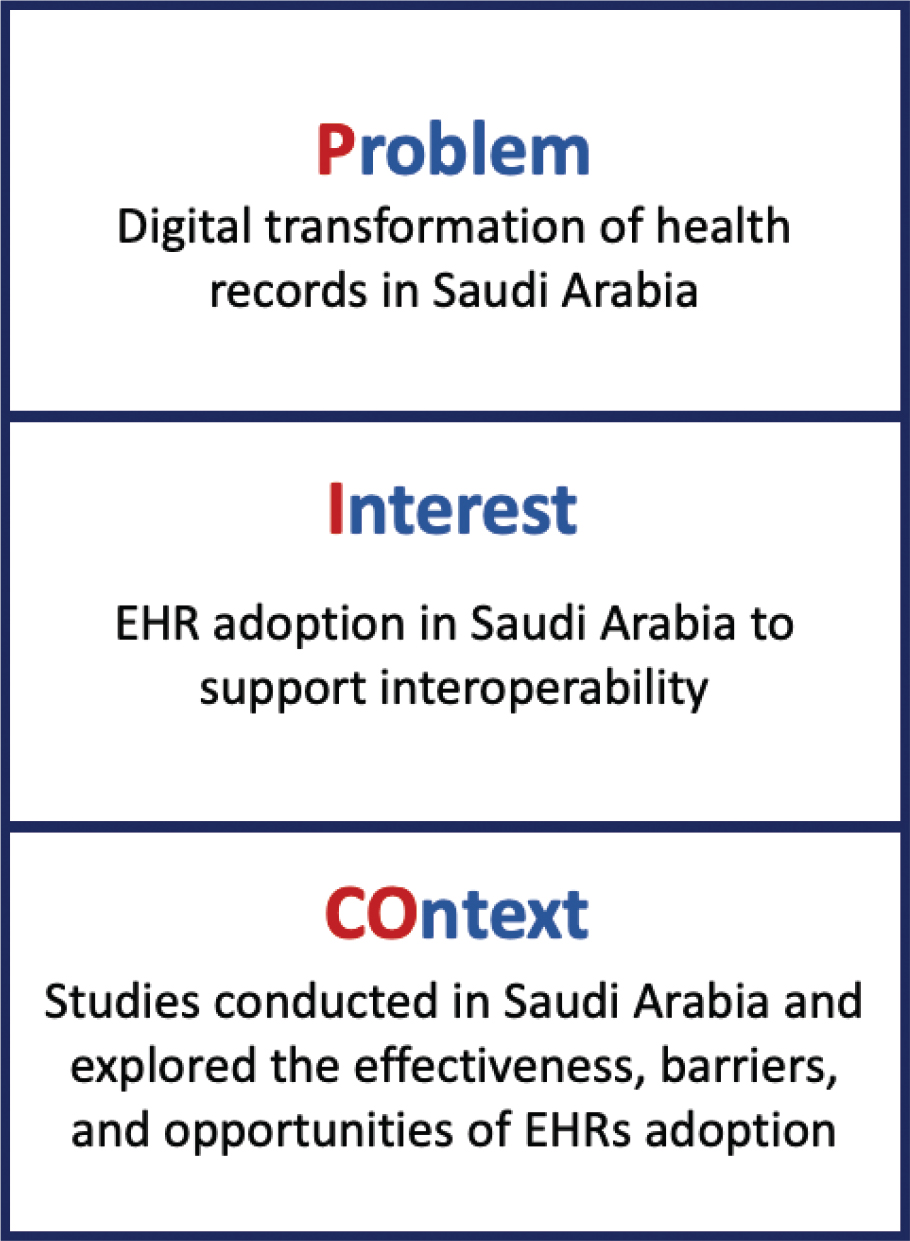
Fig. 1. PICO (population, intervention, comparison, outcome) framework for the review question. Question: What are the barriers, opportunities, and effectiveness of electronic health records (EHR) adoption in Saudi Arabia, with implications for health data interoperability and digital transformation?
Review Question and Search Strategy
The review question, framed using the PICO framework, was:
“What are the effectiveness and barriers of electronic health record adoption in Saudi Arabia?”
Problem: variable success in EHR adoption; Interest: effectiveness and barriers; Context: Saudi healthcare settings (Figure 1).
A three-step search strategy was applied. Firstly, an exploratory PubMed search identified candidate Medical Subject Headings (MeSH) and free-text terms. When applicable, MeSH terms were extended (indicated by “/”) to ensure inclusion of all relevant narrower hierarchical terms and combined with free-text keywords using Boolean operators (AND, OR) for comprehensive coverage such as “Barriers,” “Opportunities,” “Effectiveness,” “Interoperability,” and “Digital Transformation” (Table 1).
Secondly, full Boolean strings, combining controlled vocabulary, free-text synonyms, and Saudi-specific terms, were executed in PubMed/MEDLINE, Scopus, Web of Science, and Google Scholar (the latter restricted to the first 200 records sorted by relevance, per Cochrane guidance for grey-literature scoping) (Appendix).
Third, forward and backward citation tracking of all included studies was performed in Scopus. Searches were limited to English-language records published between January 1, 2015, and December 31, 2025.
Eligibility Criteria and Operational Definitions
Eligibility criteria are summarized in Table 2. For the purposes of this review, “effectiveness” was operationally defined as any reported impact of EHR adoption on (1) self-reported user perceptions of usefulness, satisfaction, or workflow benefit, or (2) a pre/post comparison of agreement metrics or measured workflow indicators. Throughout, we use “EHR” as the umbrella term and treat “EMR” in the older Saudi literature as functionally equivalent unless the source study draws a material distinction.
The initial retrieval of records from databases was governed by predefined inclusion criteria (Table 3) designed to ensure comprehensive capture of relevant literature while maintaining feasibility for subsequent screening. These criteria were applied at the search query level to maximize sensitivity prior to deduplication and title or abstract reviews.
The Inclusion Criteria Were Classified Into Four Categories as Follows
(1) Time: publications dated from January 1, 2015, to December 31, 2025, were considered for inclusion in this review; (2) Language: English-language publications were included; (3) Geographic focus: studies explicitly addressing the Kingdom of Saudi Arabia, including national-level analyses, regional investigations (e.g., Riyadh, Eastern Province, Makkah), or comparative studies with a substantial Saudi component; and (4) Thematic relevance: publications pertaining to EHRs, EMRs, or related health information systems, with emphasis on: Conference abstracts, editorials, letters, and commentaries were not included; (f) Study setting: systems within the Saudi healthcare system (public or private sectors).
Synthesis Approach: Umbrella-Informed Mixed-Evidence Design
Because the literature combines primary empirical studies with secondary syntheses, an umbrella-informed mixed-evidence approach was adopted. Records were stratified into two tiers: (1) primary empirical studies (cross-sectional, mixed-methods, qualitative, and case studies) and (2) secondary evidence (systematic and literature reviews). Findings are reported separately for each tier where they diverge, and the contribution of secondary evidence is interpreted with caution to avoid double-counting. Any primary study covered by an included review is flagged in the Appendix.
Title/abstract and full-text screening were performed independently by two reviewers; disagreements were resolved by a third reviewer. Data were extracted using a piloted standardized form capturing authors, year, location, design, period, sample size, EHR exposure (vendor, scope, maturity), outcome construct, measurement instrument, key effectiveness findings, key barriers, and study-level limitations. Inter-rater agreement at title/abstract screening was κ = 0.81.
Risk-of-Bias Appraisal (Design-Appropriate Tools)
Risk of bias was appraised using design-appropriate tools rather than a single instrument. Specifically, the Newcastle– Ottawa Scale (NOS)20 was applied to cross-sectional and case studies (n = 8); the Assessing the Methodological Quality of Systematic Review (AMSTAR-2) to systematic and literature reviews (n = 9); the mixed methods appraisal tool (MMAT 2018) to mixed-methods studies (n = 2); and the Critical Appraisal Skills Programme (CASP) qualitative checklist to qualitative studies (n = 2). Two reviewers appraised each study independently; disagreements were resolved by a third reviewer.
Synthesis and Rationale for Not Pooling
A narrative thematic synthesis was undertaken. Quantitative pooling was not performed because of substantive heterogeneity along six dimensions: (1) study design (cross-sectional surveys, mixed methods, qualitative, case studies, and systematic reviews); (2) EHR exposure (full institutional EHR versus partial modules versus personal health record extensions, (vendor and maturity); (3) population (physicians, nurses, allied health, and mixed); (4) setting (tertiary urban hospital, Ministry of Health (MoH) primary care, and military/private facility); (5) outcome construct (“perceived usefulness,” “satisfaction,” “perceived workflow gain,” and “barrier prevalence”); and (6) measurement instrument (non-comparable Likert scales, percent-agreement metrics, and qualitative themes). Pooling under these conditions would have produced a statistically computable but clinically uninterpretable estimate. Where multiple studies reported convergent quantitative indicators (e.g. percent endorsement of care-quality benefit), ranges are reported descriptively.
Data Extraction
Adhering to PRISMA guidelines,19 a comprehensive literature search was executed in which the title and abstract of the searched-for studies were reviewed initially to ascertain that all included articles were in line with the inclusion criteria. These were then followed by a full-text review. All studies that explored EHR adoption, including barriers, opportunities, and effectiveness, were collected to extract data. The following information was gathered using a standardized form: authors, year of publication, location, study design, period, and sample size.
Results
Descriptive Assessment
The database searches identified 272 records (PubMed/MEDLINE: 96; Scopus: 81; Web of Science: 47; Google Scholar: 48). After removal of 89 duplicates, 183 records were screened by title and abstract; 129 were excluded as not meeting the eligibility criteria. Fifty-four records were sought for full-text retrieval, all of which were obtained. After full-text assessment, 33 records were excluded with reasons (wrong country: n = 11; wrong publication type: n = 9; outside date range: n = 5; non-English: n = 4; insufficient data: n = 4). The full PRISMA flow is shown in Figure 2. Twenty-one studies were included (Appendix).
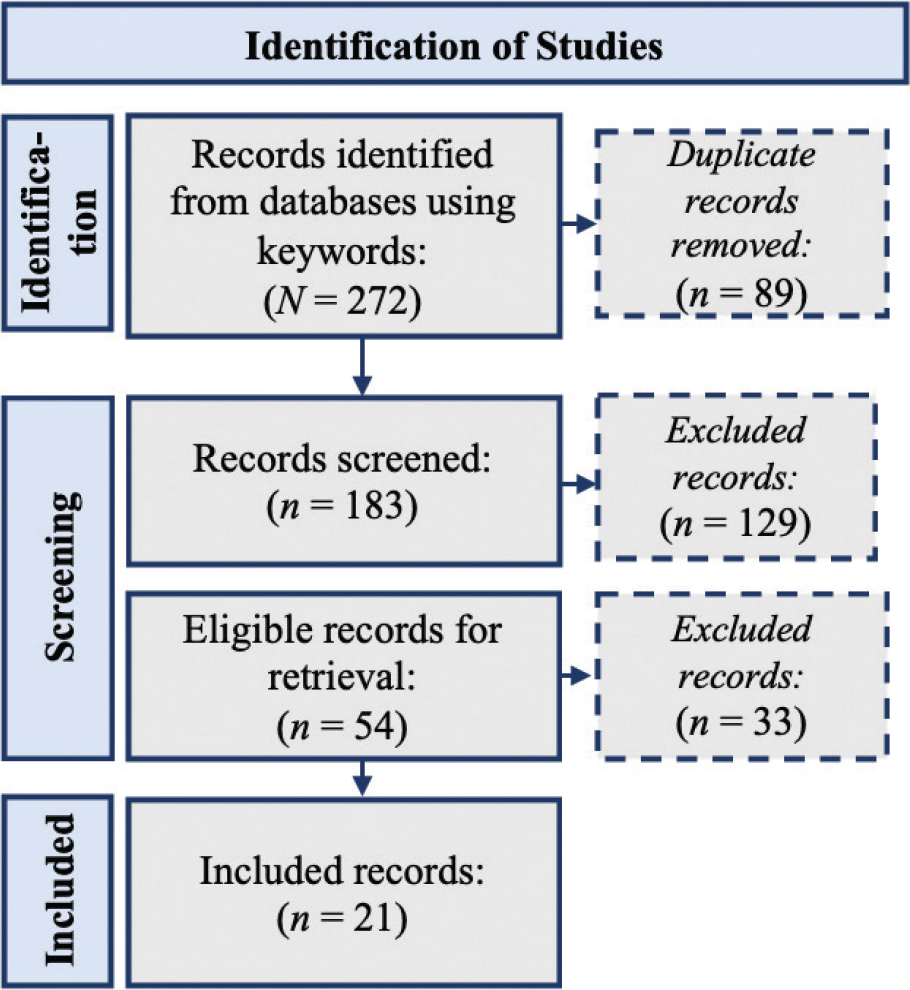
Fig. 2. PRISMA 2020 flow diagram of study selection. PRISMA: population, intervention, comparison, outcome.
Risk-of-Bias Appraisal
Risk of bias was appraised with design-appropriate tools (see Methods section). Of the eight cross-sectional and case studies appraised with NOS, six scored ≥ 6 (high quality) and two scored 4 to 5 (moderate). Of the nine reviews appraised with AMSTAR-2, the overall confidence ratings were 2 high, 4 moderate, 2 low, and 1 critically low; the latter primarily because of the absent risk-of-bias appraisal of included studies and absent funding source declarations. Both mixed-methods studies achieved MMAT scores ≥ 80%. Both qualitative studies were rated as satisfactory across all CASP domains. Per-study ratings are reported in Table 4.
Three patterns deserve emphasis. First, the dominance of single-site, cross-sectional, perception-based primary evidence elevates the risk of social desirability and recall bias and precludes causal inference. Second, the AMSTAR-2 ratings of the secondary literature indicate that several included reviews carry methodological weaknesses that propagate into any synthesis that relies on them. Third, no included study used objective hard-outcome measurement (mortality, validated medication error counts, time-motion data, or cost-effectiveness).
AMSTAR-2: a 16-item critical appraisal tool designed to assess the methodological quality of systematic reviews containing randomized and non-randomized healthcare studies; CASP: used in quantitative research to evaluate the quality of existing studies; MMAT: a critical appraisal framework designed for systematic mixed-studies reviews; NOS: used to assess the quality and risk of bias in non-randomized studies (cohort and case-control) included in systematic reviews.
Effectiveness of EHR Adoption
Across the 12 primary studies, perceived effectiveness was moderate and concentrated in three domains: care quality, operational efficiency, and selected dimensions of patient safety. Effectiveness was operationalized in the source studies almost exclusively as user-reported perceptions. No included study reported objective hard outcomes (mortality, validated medication-error counts, readmissions, or formal cost-effectiveness). This caveat applies to every quantitative figure that follows.
Care Quality and Patient Safety
In the largest primary study, a national multicenter survey of 1,289 physicians and nurses, more than 70% of respondents endorsed EHRs as positively affecting care quality through more complete documentation, real-time alerts, and standardized processes.21 Multiple studies reported that EHR adoption supported more complete and accurate recording of patient histories, allergies, medications, and vital signs, with associated reductions in perceived medication errors and overlooked contraindications.22–25 Qualitative evidence indicated that integrated clinical guidelines and decision-support features promoted evidence-based practice in primary care and family medicine,26,27 and that EHRs enabled rapid access for communicable-disease monitoring during the COVID-19 response.26
Operational Efficiency and Provider Productivity
Two pre/post primary care cohorts reported that user agreement on operational efficiency rose from approximately 80% to 96% after EHR implementation.28,29 Physicians in the Eastern Province described streamlined pharmacy and laboratory order entry and reported reductions in processing times of up to 50% in optimized implementations.30 Personal health record extensions were viewed as effective for patient engagement, with providers reporting improved treatment adherence through shared access.31 Effectiveness in efficiency was not universal: poorly designed interfaces and inadequate customization increased documentation burden in several settings.30,32,33
Cost Reduction and Resource Use
Evidence on cost was indirect and heterogeneous. No included study presented a formal cost-effectiveness analysis. Some analyses suggested long-term savings through reduced paper-based storage, fewer unnecessary procedures, and automated administrative processes.22,34–37 In primary care, EHRs supported better resource allocation, including medication inventory management.24 Financial benefit was contingent on sustained investment; under-resourced facilities reported limited returns due to high upfront costs.29,38,39
The Effectiveness Picture
Across the included studies, perceived-usefulness Likert means ranged from 3.44 to 4.1/5 and satisfaction-scale medians from 53 to 62/80, values consistent with “moderate” rather than “high” user-perceived effectiveness. Use of EHR functionality was concentrated in administrative and documentation modules in more than 60% of surveyed sites; advanced clinical decision support, population health analytics, and inter-facility data exchange were rare.21–23,27 The gap between deployment penetrance (>2,000 primary healthcare by 2023) and clinically transformative use is the central interpretive thread carried into §4.
Bridge to Barriers
The same drivers that constrain effectiveness recur in the barrier domain: technical instability disrupts the workflows that EHRs are intended to streamline; inadequate training caps decision-support uptake; weak governance fragments interoperability. Barriers and effectiveness are therefore not separate findings but two faces of the same implementation reality, and §3.4 develops them in that frame.
Barriers to EHR Adoption
Implementing EHR in Saudi Arabia encountered multifaceted barriers spanning five domains: technical, organizational, human, financial, and regulatory across both primary and secondary evidence (Table 5.)
| Domain | Specific barriers | Evidence from the included studies |
| Technical | Infrastructure deficiencies, system instability, interoperability gaps (data silos) | Connectivity gaps and system downtime were the most frequently cited issues, leading to workflow interruptions and data fragmentation. Legacy systems in some facilities could not communicate with newer platforms (“digital islands”).21,24,34,35,37,38 |
| Organizational | Resistance to change, poor workflow alignment, leadership/staff turnover, limited clinician involvement in system selection | Personnel turnover disrupted ongoing EHR projects; top-down implementation without clinician input misaligned systems with daily routines.27,33,35,39 Organizational readiness was insufficient, especially in PHCs. |
| Human | Low digital literacy, attitudinal resistance, inadequate training and support | Physicians and nurses reported low computer proficiency and concern that EHRs would increase workload or reduce patient interaction.21,30–33 Training was described as superficial and one-off.30,32 |
| Financial | High initial and ongoing cost; insufficient budget; competing priorities | Budget constraints were a major bottleneck for smaller facilities and post-go-live maintenance contracts.22,27,34,35 |
| Regulatory | Privacy and security concerns; absent national interoperability standards; localization issues | Concerns about data confidentiality and the absence of unified national standards were prominent. Arabic-language interface limitations and vendor instability compounded user frustration.24–26,34,35,37 |
| EHRs: electronic health records; PHCs: primary healthcare. | ||
Technical Barriers
The most frequently cited barriers were technical. Inadequate infrastructure (unreliable connectivity in rural or older facilities) and system instability (slow response times, crashes, and unplanned downtime) disrupted clinical workflows and led to temporary loss of access to patient records. Legacy systems exacerbated data fragmentation, creating isolated silos that restricted comprehensive patient information across facilities and reduced timely, informed decision-making.21,34,35,38
Organizational Barriers
High leadership and staff turnover disrupted continuity of EHR projects; top-down implementations excluded frontline clinicians from system selection, producing poor alignment with clinical routines and insufficient organizational readiness.33,38,39
Human Factors Were a Critical Domain
Physicians and nurses reported low digital literacy (particularly among older staff), perceived increases in administrative workload, reduced time for direct patient interaction, and concern that complex systems threatened professional autonomy.21,31–33 Training, when provided, was frequently described as superficial and one-off.30,32
Financial Constraints
High initial and maintenance costs, software licensing, hardware requirements, and limited budget for smaller facilities posed additional hurdles to sustained implementation and optimization.22,27,35
Regulatory and Practical Challenges
Privacy and security concerns included the absence of unified national standards for data governance, unclear compliance pathways, Arabic-language interface limitations, and vendor instability.24–26,34,37 These eroded user trust and limited perceived usefulness for clinical (as opposed to administrative) purposes.
Integrated Synthesis
Firstly, EHR deployment in Saudi Arabia is wide, but use is shallow: more than 2,000 primary care centers are connected to the unified MoH platform, yet use is concentrated in administrative and documentation modules in the majority of surveyed sites. Secondly, user-perceived effectiveness is moderate and consistent across studies (Likert means 3.4–4.1/5; satisfaction medians 53–62/80), but no included study captured objective hard outcomes. Thirdly, the five barrier domains: technical, organizational, human, financial, and regulatory are not independent; they covary, and successful sites are those where multiple domains have been addressed in parallel. Fourthly, the evidence base is itself a constraint: cross-sectional, single-site, perception-based, with several included reviews of moderate-to-low AMSTAR-2 quality.
Discussion
Headline Findings, With Evidence Calibration
Across 21 studies, EHR adoption in Saudi Arabia has produced moderate, user-perceived gains in care quality, documentation, and operational efficiency. This was seen most clearly in urban tertiary hospitals and selected primary care centers. The most defensible quantitative anchors are the >70% endorsement of care-quality benefit in the largest national multicenter survey21 and the 80% to 96% rise in efficiency agreement in two pre/post primary-care cohorts.28,29 These should be read as perceptions, not measured outcomes. Across the entire included literature, no study reported mortality, validated medication error counts, or formal cost-effectiveness. The strength of the evidence supports a description of the user experience of EHRs in Saudi Arabia but does not yet support causal claims about clinical impact.
Sources of Heterogeneity
The included studies differed along five axes that together explain the absence of pooled estimates. (1) Setting: tertiary urban hospitals versus MoH primary care centers versus specialized clinics; effectiveness signals were stronger in the first, weakest in rural primary health care (PHC) (2) Population: physician-only, nurse-only, and mixed-cadre samples reported different barrier profiles, with nurses citing training adequacy and time burden more frequently than physicians. (3) EHR exposure: studies covered different vendors, different module penetration (full institutional EHR vs. documentation-only), and different maturity (recent rollouts vs. systems in steady-state use). (4) Outcome construct: “perceived usefulness,” “satisfaction,” “perceived workflow gain,” and “barrier prevalence” were each measured in some studies and not others. (5) Measurement instrument: Likert scales of varying length, percent-agreement metrics, and qualitative thematic counts were not directly comparable. The combined effect of these axes is that the studies share a topic but not a measurement framework; the precondition for legitimate quantitative pooling was therefore absent.
Critical Evaluation of the Evidence Base
Beyond heterogeneity, three features of the evidence base limit the certainty of the synthesis. Firstly, the dominance of single-site, cross-sectional, perception-based designs elevates the risk of social desirability and recall bias and rules out causal inference about EHR impact. Secondly, publication and language bias are likely: rural, smaller, and Arabic-publishing institutions are under-represented, which probably skews the picture of effectiveness upward and underestimates the prevalence of certain barriers. Thirdly, three of the nine included reviews were rated low or critically low on AMSTAR-2, primarily because of absent risk-of-bias appraisal of their own included studies; the findings synthesized through those reviews therefore inherit weaker methodological provenance. The downstream implication is that any policy or operational inference must be calibrated to a low-to-moderate certainty level and that future syntheses should privilege primary studies with objective outcomes.
Implications for Stakeholders
For Policymakers
A national EHR governance body with the mandate to enforce a standard interoperability profile (FHIR R4 or successor), set training-quality benchmarks, and certify vendor performance against downtime and security service-level agreements would address three of the five barrier domains identified here. International precedents such as the Health Information Technology for Economic and Clinical Health (HITECH) Act-style incentive structures in the United States and the European eHealth Action Plan are instructive but require local adaptation to MoH governance and Arabic-language requirements.3,5
For Providers
Operational levers under direct provider control include clinician co-design of system configuration, structured super-user programs, protected documentation time, and inclusion of EHR competency in continuing professional development. Each maps to a specific barrier identified in this review.29,33,38
For Vendors
Three feature-level priorities emerge from the synthesis: native Arabic-language clinical interface (not retrofit translation), Fast Healthcare Interoperability (FHIR)-compliant APIs to eliminate data silos, and contracted downtime service level agreements aligned to the criticality of clinical workflows. Vendor instability, like frequent updates and contract churn, was a recurring source of user frustration.24,34,35,40 and warrants explicit procurement-side attention.
Specific Research Priorities
The phrase “more research is needed” is replaced by three concrete proposals: (1) a multicenter interrupted time series of medication-error rates pre/post EHR upgrade, with validated trigger-tool case-finding; (2) a time-motion comparison of EHR versus paper documentation in PHCs, stratified by provider cadre; and (3) a cost-effectiveness model of nationwide FHIR-based interoperability rollout, parameterized against MoH cost data.
Limitations
This review has limitations beyond those of the underlying evidence base. Firstly, the protocol was not prospectively registered in PROSPERO. Secondly, the search was restricted to English-language records; relevant Arabic-language work may have been missed, although the majority of peer-reviewed empirical work on this topic is published in English. Thirdly, Google Scholar coverage was limited to the first 200 records, in line with Cochrane guidance, but could miss less-cited gray literature. Fourthly, the inclusion of secondary syntheses raises a risk of double-counting individual primary studies; we have flagged overlap in Table 4, but residual double-counting cannot be fully excluded. Fifthly, the heterogeneity of measurement instruments and the absence of objective outcome data limit the strength of any quantitative claim made on the basis of this synthesis.
Conclusions
Strengths of this review include its comprehensive synthesis of 21 studies focused on Saudi Arabia, incorporating diverse designs to capture both quantitative metrics and qualitative insights, ensuring a holistic view of adoption dynamics. The use of PRISMA guidelines enhanced transparency, while the inclusion of gray literature and systematic reviews broadened the evidence base. The deployment of EHR in Saudi Arabia is broad, but use is shallow: penetrance is national, but functionality is concentrated in administrative and documentation modules in the majority of surveyed sites. Also, user-perceived effectiveness is moderate and consistent (Likert means 3.4 to 4.1/5; satisfaction medians 53 to 62/80; >70% care-quality endorsement in the national multicenter survey), but objective clinical impact is unmeasured. Barriers are multidomain and the sites that report the strongest effectiveness are those that have addressed multiple domains in parallel rather than any single one. The evidence base itself is a constraint with multiple outlined limitations. Until prospective studies with validated objective outcomes are commissioned, claims about the clinical and economic value of EHR adoption in Saudi Arabia should be calibrated to “moderate user-perceived effectiveness in defined operational domains” rather than to demonstrated clinical transformation.
In conclusion, EHR adoption in Saudi Arabia holds substantial promise for advancing health data interoperability and digital transformation, but realizing this requires concerted efforts to mitigate identified barriers. By integrating user feedback, advancing infrastructure, and enforcing national standards, Saudi healthcare can align more closely with Vision 2030, fostering a resilient, data-driven system that enhances equity and efficiency. Aligning measurement to the priorities of Vision 2030 and to international interoperability standards is the highest-yield next step.
Data Availability Statement (DAS), Data Sharing, Reproducibility, and Data Repositories
Not applicable.
Application of AI-Generated Text or Related Technology
During the preparation of this manuscript, the author used generative AI tools to assist with language editing, improving clarity and readability, formatting references and organizing tabulated material.
Contributions
The author is responsible for all aspects of manuscript preparation.
References
- Menachemi N, Collum TH. Benefits and drawbacks of electronic health record systems. Risk Manag Healthc Policy. 2011;4:47–55. https://doi.org/10.2147/RMHP.S12985
- Boonstra A, Broekhuis M. Barriers to the acceptance of electronic medical records by physicians from systematic review to taxonomy and interventions. BMC Health Serv Res. 2010;10:231. https://doi.org/10.1186/1472-6963-10-231
- Jha AK, DesRoches CM, Campbell EG, Donelan K, Rao SR, Ferris TG, et al. Use of electronic health records in U.S. hospitals. N Engl J Med. 2009;360(16):1628–38. https://doi.org/10.1056/NEJMsa0900592
- European Commission. eHealth Action Plan 2012–2020: innovative healthcare for the 21st century. Brussels: European Commission; 2012. COM(2012) 736 final.
- Adler-Milstein J, Jha AK. HITECH Act drove large gains in hospital electronic health record adoption. Health Aff (Millwood). 2017;36(8):1416–22. https://doi.org/10.1377/hlthaff.2016.1651
- Fritz F, Tilahun B, Dugas M. Success criteria for electronic medical record implementations in low-resource settings: a systematic review. J Am Med Inform Assoc. 2015;22(2):479–88. https://doi.org/10.1093/jamia/ocu038
- Alshammari F, Pasay-an E, Alboliteeh M, Alshammari M, Susanto T, Villareal S, et al. A survey of hospital healthcare professionals’ perceptions toward patient safety culture in Saudi Arabia. Int J Afr Nurs Sci. 2019;11:100149. https://doi.org/10.1016/j.ijans.2019.100149
- Ministry of Health, Kingdom of Saudi Arabia. National e-Health Strategy. Riyadh: Ministry of Health; 2011.
- Council of Economic and Development Affairs. Kingdom of Saudi Arabia Vision 2030. Riyadh: Government of Saudi Arabia; 2016 [cited 2026 Mar 1]. Available from: https://www.vision2030.gov.sa
- Rathert C, Porter TH, Mittler JN, Fleig-Palmer M. Seven years after meaningful use: physicians’ and nurses’ experiences with electronic health records. Health Care Manage Rev. 2019;44(1):30–40. https://doi.org/10.1097/HMR.0000000000000168
- Alsadan M, El Metwally A, Ali A, Jamal A, Khalifa M, Househ M. Health information technology (HIT) in Arab countries: a systematic review study on HIT progress. J Health Inform Dev Ctries. 2015;9(2):32–49.
- Hasanain RA, Vallmuur K, Clark M. Electronic medical record systems in Saudi Arabia: knowledge and preferences of healthcare professionals. J Health Inform Dev Ctries. 2015;9(1):23–38.
- Yusof MM, Kuljis J, Papazafeiropoulou A, Stergioulas LK. An evaluation framework for Health Information Systems: human, organization and technology-fit factors (HOT-fit). Int J Med Inform. 2008;77(6):386–98. https://doi.org/10.1016/j.ijmedinf.2007.08.011
- Aldosari B. Causes of EHR projects stalling or failing: a study of EHR projects in Saudi Arabia. Comput Biol Med. 2017;91:372–81. https://doi.org/10.1016/j.compbiomed.2017.10.032
- Bostan S, Johnson OA, Jaspersen LJ, Randell R. Contextual barriers to implementing open-source electronic health record systems for low- and lower-middle-income countries: scoping review. J Med Internet Res. 2024;26:e45242. https://doi.org/10.2196/45242
- Davis FD. Perceived usefulness, perceived ease of use, and user acceptance of information technology. MIS Q. 1989;13(3):319–40. https://doi.org/10.2307/249008
- Holden RJ, Karsh BT. The Technology Acceptance Model: its past and its future in health care. J Biomed Inform. 2010;43(1):159–72. https://doi.org/10.1016/j.jbi.2009.07.002
- Alasmary M, El Metwally A, Househ M. The association between computer literacy and training on clinical productivity and user satisfaction in using the electronic medical record in Saudi Arabia. J Med Syst. 2014;38(8):69. https://doi.org/10.1007/s10916-014-0069-2
- Page MJ, McKenzie JE, Bossuyt PM, Boutron I, Hoffmann TC, Mulrow CD, et al. The PRISMA 2020 statement: an updated guideline for reporting systematic reviews. BMJ. 2021;372:n71. https://doi.org/10.1136/bmj.n71
- Wells GA, Shea B, O’Connell D, Peterson J, Welch V, Losos M, Tugwell P. The Newcastle–Ottawa Scale (NOS) for assessing the quality of nonrandomised studies in meta-analyses. Ottawa: Ottawa Hospital Research Institute; 2014 [cited 2026 Mar 1]. Available from: http://www.ohri.ca/programs/clinical_epidemiology/oxford.asp
- Al Otaybi HF, Al-Raddadi RM, Bakhamees FH. Performance, barriers, and satisfaction of healthcare workers toward electronic medical records in Saudi Arabia: a national multicenter study. Cureus. 2022;14(2):e21899. https://doi.org/10.7759/cureus.21899
- AlSadrah SA. Electronic medical records and health care promotion in Saudi Arabia. Saudi Med J. 2020;41(6):583–9. https://doi.org/10.15537/smj.2020.6.25115
- Amponin ME, Britiller MC. Electronic health records (EHRs): effectiveness to health care outcomes and challenges of health practitioners in Saudi Arabia. Saudi J Nurs Health Care. 2023;6(4):123–35. https://doi.org/10.36348/sjnhc.2023.v06i04.001
- Rodriguez B, Demoral JK, Carpio J, Gultia A, Coyoca GS, Garciano C, et al. Electronic health records in non-hospital settings of developing economies: a systematic review on enablers and barriers. Inform Med Unlocked. 2025;54:101634. https://doi.org/10.1016/j.imu.2025.101634
- Woldemariam MT, Jimma W. Adoption of electronic health record systems to enhance the quality of healthcare in low-income countries: a systematic review. BMJ Health Care Inform. 2023;30(1):e100704. https://doi.org/10.1136/bmjhci-2022-100704
- Alshehri O, Alshehri H, Alshehri S. The role of electronic health records in monitoring communicable diseases: the case of Saudi Arabia. Int J Recent Innov Med Clin Res. 2024;4(1):1–8. https://doi.org/10.18231/j.ijrimcr.2022.013
- Alsulame K, Khalifa M, Househ M. eHealth in Saudi Arabia: current trends, challenges, and recommendations. Stud Health Technol Inform. 2015;213:233–6.
- Alzghaibi H, Hutchings HA. Exploring electronic health record systems implementation in primary health care centres in Saudi Arabia: pre-post implementation. Front Med (Lausanne). 2025;12:1502184. https://doi.org/10.3389/fmed.2025.1502184
- Alzghaibi HA, Hutchings HA. Exploring facilitators of the implementation of electronic health records in Saudi Arabia. BMC Med Inform Decis Mak. 2022;22(1):321. https://doi.org/10.1186/s12911-022-02072-5
- El Mahalli AA. Electronic health records: use and barriers among physicians in eastern province of Saudi Arabia. Saudi J Health Sci. 2015;4(1):32–41. https://doi.org/10.4103/2278-0521.151407
- Yousef CC, Salgado TM, Burnett K, Aldossary I, McClelland LE, Alhamdan HS, et al. Perceived barriers and enablers of a personal health record from the healthcare provider perspective. Health Informatics J. 2023;29(1):14604582231152190. https://doi.org/10.1177/14604582231152190
- El Mahalli A. Adoption and barriers to adoption of electronic health records by nurses in three governmental hospitals in Eastern Province, Saudi Arabia. Perspect Health Inf Manag. 2015;12(Fall):1f. https://doi.org/10.4103/2278-0521.151407
- Alanazi BD, Alhijji MH, Alanazi ID. Human factors of EHR adoption in Saudi primary healthcare. Stud Health Technol Inform. 2022;294:515–9. https://doi.org/10.3233/SHTI220512
- Alhur A. Overcoming electronic medical records adoption challenges in Saudi Arabia. Cureus. 2024;16(2):e53827. https://doi.org/10.7759/cureus.53827
- Alqahtani A, Crowder R, Wills G. Barriers to the adoption of EHR systems in the Kingdom of Saudi Arabia: an exploratory study using a systematic literature review. J Health Inform Dev Ctries. 2017;11(2):1–20.
- Kruse CS, Kothman K, Anerobi K, Abanaka L. Adoption factors of the electronic health record: a systematic review. JMIR Med Inform. 2016;4(2):e19. https://doi.org/10.2196/medinform.5525
- Kruse CS, Kristof C, Jones B, Mitchell E, Martinez A. Barriers to electronic health record adoption: a systematic literature review. J Med Syst. 2016;40(12):252. https://doi.org/10.1007/s10916-016-0628-9
- Alzghaibi H, Hutchings HA. Barriers to the implementation of large-scale electronic health record systems in primary healthcare centers: a mixed-methods study in Saudi Arabia. Front Med (Lausanne). 2025;12:1516714. https://doi.org/10.3389/fmed.2025.1516714
- Alharbi A, Ramirez R. Factors affecting electronic health record adoption in developing countries: a case of Saudi Arabia. Life (Basel). 2020;10(12):327. https://doi.org/10.3390/life10120327
- Alshahrani A, Stewart D, MacLure K. A systematic review of the adoption and acceptance of eHealth in Saudi Arabia: views of multiple stakeholders. Int J Med Inform. 2019;128:7–17. https://doi.org/10.1016/j.ijmedinf.2019.05.007
- Alanazi B, Butler-Henderson K, Alanazi M. Perceptions of healthcare professionals about the adoption and use of EHR in Gulf Cooperation Council countries: a systematic review. BMJ Health Care Inform. 2020;27(1):e100099. https://doi.org/10.1136/bmjhci-2019-100099
Copyright Ownership: This is an open-access article distributed in accordance with the Creative Commons Attribution Non-Commercial (CC BY-NC 4.0) license, which permits others to distribute, adapt, enhance this work non-commercially, and license their derivative works on different terms, provided the original work is properly cited and the use is non-commercial. See http://creativecommons.org/licenses/by-nc/4.0. The authors of this article own the copyright.
Appendix. List of studies included in this review.
| # | Authors, Year, Country | Study Title | Study Design | Tier |
| 1 | AlSadrah, S. A., 2020, Saudi Arabia22 | Electronic medical records and health care promotion in Saudi Arabia: An overview | Literature review | Secondary |
| 2 | Alhur, A., 2024, Saudi Arabia34 | Overcoming electronic medical records adoption challenges in Saudi Arabia | Literature review | Secondary |
| 3 | El Mahalli, A., 2015, Saudi Arabia32 | Adoption and barriers to adoption of electronic health records by nurses in three governmental hospitals in Eastern Province, Saudi Arabia | Cross-sectional | Primary |
| 4 | Alzghaibi, H., & Hutchings, H. A., 2025, Saudi Arabia38 | Barriers to the implementation of large-scale electronic health record systems in primary healthcare centers: A mixed-methods study in Saudi Arabia | Exploratory mixed methods | Primary |
| 5 | Yousef, C. C. et al., 2023, Saudi Arabia31 | Perceived barriers and enablers of a personal health record from the healthcare provider perspective | Cross-sectional | Primary |
| 6 | Alzghaibi, H., & Hutchings, H. A., 2025, Saudi Arabia28 | Exploring electronic health record systems implementation in primary health care centres in Saudi Arabia: Pre-post implementation | Cross-sectional | Primary |
| 7 | Alzghaibi, H. A., & Hutchings, H. A., 2022, Saudi Arabia29 | Exploring facilitators of the implementation of electronic health records in Saudi Arabia | Exploratory mixed methods | Primary |
| 8 | El Mahalli, A. A., 2015, Saudi Arabia30 | Electronic health records: Use and barriers among physicians in eastern province of Saudi Arabia | Cross-sectional | Primary |
| 9 | Alqahtani, A., R. Crowder, and G. Wills, 2017, Saudi Arabia35 | Barriers to the Adoption of EHR Systems in the Kingdom of Saudi Arabia: An Exploratory Study Using a Systematic Literature Review | Systematic review | Secondary |
| 10 | Amponin, M. E., & Britiller, M. C., 2023, Saudi Arabia23 | Electronic Health Records (EHRs): Effectiveness to Health Care Outcomes and Challenges of Health Practitioners in Saudi Arabia | Cross-sectional | Primary |
| 11 | Kruse, C. S. et al., 2016, International (with Saudi context)36 | Adoption Factors of the Electronic Health Record: A Systematic Review | Systematic review | Secondary |
| 12 | Rodriguez, B., et al., 2025, Developing economies (including Saudi Arabia)24 | Electronic health records in non-hospital settings of developing economies: A systematic review on enablers and barriers | Systematic review | Secondary |
| 13 | Alanazi, B. D., Alhijji, M. H., & Alanazi, I. D., 2022, Saudi Arabia33 | Human factors of EHR adoption in Saudi primary healthcare | Cross-sectional | Primary |
| 14 | Alshahrani, A., Stewart, D., & MacLure, K., 2019, Saudi Arabia40 | A systematic review of the adoption and acceptance of eHealth in Saudi Arabia: Views of multiple stakeholders | Systematic review | Secondary |
| 15 | Kruse, C. S. et al., 2016, International (including Saudi context)37 | Barriers to electronic health record adoption: A systematic literature review | Systematic review | Secondary |
| 16 | Alshehri, O., Alshehri, H. & Alshehri, S., 2024, Saudi Arabia26 | The role of electronic health records in monitoring communicable diseases: The case of Saudi Arabia | Qualitative study | Primary |
| 17 | Woldemariam, M.T. & Jimma, W., 2023, Low-income countries (including Saudi Arabia)25 | Adoption of electronic health record systems to enhance the quality of healthcare in low-income countries: A systematic review | Systematic review | Secondary |
| 18 | Al Otaybi, H.F., Al-Raddadi, R.M. & Bakhamees, F.H., 2022, Saudi Arabia21 | Performance, barriers, and satisfaction of healthcare workers toward electronic medical records in Saudi Arabia: A national multicenter study | Cross-sectional | Primary |
| 19 | Alharbi, A. & Ramirez, R., 2020, Saudi Arabia39 | Factors affecting electronic health record adoption in developing countries: A case of Saudi Arabia | Case study | Primary |
| 20 | Alsulame, K., Khalifa, M., & Househ, M., 2015, Saudi Arabia27 | eHealth in Saudi Arabia: Current Trends, Challenges and Recommendations | Qualitative study | Primary |
| 21 | Alanazi, B., Butler-Henderson, K. & Alanazi, M., 2020, Gulf Cooperation Council countries (including Saudi Arabia)41 | Perceptions of healthcare professionals about the adoption and use of EHR in Gulf Cooperation Council countries: A systematic review | Systematic review | Secondary |
| The 21 studies comprised 12 primary empirical studies (7 cross-sectional, 2 mixed-methods, 2 qualitative, 1 case study) and 9 secondary syntheses (7 systematic reviews, 2 literature reviews). The primary studies surveyed or interviewed a combined 4,672 healthcare professionals across Saudi Arabia, predominantly physicians and nurses in Ministry of Health hospitals, primary healthcare centers, and specialized clinics, with the majority (where reported) being female consistent with nursing-workforce composition. Multicenter and national samples were concentrated in Riyadh and the Eastern Province. The secondary syntheses focused on Saudi Arabia or included Saudi-specific subgroups within broader reviews of the Gulf Cooperation Council, developing economies, or low- and middle-income settings. | ||||