ORIGINAL RESEARCH
At-Home Integrated HPV Self-Collection With Telehealth
Liz Swenson, MD, FACOG, MSCP1  , Morgan Mandigo, MD, MSc, FACOG1 , Elizabeth VonderHaar, MD, FACOG1 , Vanessa Dorismond, MD, MA, MAS1 , Jennifer Godbout, MD, FACOG1 , Anne Dobrzynski, MD, FACOG1 , Karen McNamara, MSN, FNP-C1 , Joslin Ruiz, FNP-C1 , Kiandra Cartwright-Nolting, FNP-C1 , Meghan Brennan, FNP1 , Amber Ensley, CNM/PMHNP-BC1 , Brandi Manning, FNP-C1 , Trena Depel, MS2 , Meghna, PhD2 and Kristen M. Little, PhD, MPH3
1Teal Medical Practice, PC, San Francisco, California, USA; 2Teal Health, Inc., San Francisco, California, USA; 3Independent Consultant, Los Alamos, New Mexico, USA
Keywords: cervical cancer, HPV, screening, self-collection, integrated telehealth
Abstract
Objective: At—home papillomavirus (HPV) self-collection (SC) can overcome screening barriers and expand access. We analyzed data from the first FDA-authorized at-home HPV SC with integrated telehealth offering. papillomavirus (HPV) self-collection (SC).
Methods: Descriptive analysis of routine data, including medical records, satisfaction surveys, user feedback, and back-end data from the telehealth system. Participants met screening guidelines (25- to 65-year-old intact cervix) but were ineligible due to pregnancy, a history of high-grade squamous intraepithelial lesion, a loop electrosurgical excision procedure, immunosuppression, or abnormal bleeding. Analysis focused on HPV test results by April 16, 2026. A digital intake, a telehealth visit, SC at home, and digital results delivery were completed. Those with HPV-positive results had a follow-up telehealth visit with navigation to in-person triage. Descriptive statistics examined participants’ demographic characteristics, prior screening history, reasons for choosing at-home screening, and satisfaction.
Results: During the first ten months following introduction, at-home SC provided 2,881 users with cervical cancer screening results.
- SC users represented all 50 states, 16% rural.
- > 12% had never screened previously, 59% ≥ 5 years from screening.
- Reasons for SC included privacy/convenience (50%), distrust/avoidance of in-person care (17%), pain with exams/vaginismus (11%), work/childcare obligations (9%), and trauma (7%).
- High levels of satisfaction, including ease of use (97%), the telehealth new patient visit (97%), comfort (94%), and overall experience (99%).
Conclusions: At-home SC increased participation in screening, particularly for never/under-screened and overcame barriers. Telehealth-enabled screening modalities reach women who do not access or prefer clinic-based screening, including rural dwellers, mitigating disparities in cervical screening in the U.S.
Plain Language Summary
Cervical cancer, caused by the human papillomavirus, is preventable through vaccination and screening. However, more than 25% of women in the U.S. are under-screened. Barriers to screening include:
- Long distances to health facilities,
- Medical trauma; and
- Discomfort with speculum exams.
Home screening options—papillomavirus self-collection paired with telehealth—address many barriers to screening and appeal to women. Early implementation data from the first U.S. Food and Drug Administration-authorized home-based HPV self-collection and telehealth service in the U.S. show:
- 1) who is reached by this approach to screening, and
- 2) the user experience among early adopters.
Home screening served every U.S. state, 16% rural. More than half were overdue at the time of self-collection. User rated their experience positively, including telehealth support, citing ease and comfort. Self-collection reaches the under-screened, addressing known barriers. Scaling self-collection with telehealth could meaningfully reduce the under-screened population in the U.S.
Key Takeaways
- Despite being almost completely preventable, more than 13,000 cases of cervical cancer were diagnosed in the U.S. in 2025—leading to more than 4,300 deaths.
- In the U.S. at-home self-collection for cervical cancer screening with telehealth promotes screening and can successfully reach never-and under-screened users.
- This innovation expands preventive care options for and mitigates disparities in cervical screening in the U.S.
Citation: Telehealth and Medicine Today 2026, 11: 729.
DOI: https://doi.org/10.30953/thmt.v11.729
Copyright: © 2026 L. Swenson et al. This is an open-access article distributed in accordance with the Creative Commons Attribution Non-Commercial (CC BY-NC 4.0) license, which permits others to distribute, adapt, enhance this work non-commercially, and license their derivative works on different terms, provided the original work is properly cited and the use is non-commercial. See http://creativecommons.org/licenses/by-nc/4.0. The authors of this article own the copyright.
Submitted: May 28, 2026; Accepted: July 14, 2026; Published: September 8, 2026
Corresponding Author: Meghna Mukheree, Email: meghna@tealhealth.com
Funding: Funding for this study was provided by Teal Health, Inc.
Financial and Non-Financial Relationships and Activities: All providers are contractors of the Teal Medical Practice and receive payment for their clinical services only. ES owns the medical practice. TD and MM are employees of Teal Health, Inc. KL is a consultant and receives consulting fees from Teal Health, Inc.
Despite being almost completely preventable, more than 13,000 new cases of cervical cancer were diagnosed in the U.S. in 2025, leading to more than 4,300 deaths.1 Cervical cancer screening can prevent cancer and diagnose cases earlier, leading to better treatment outcomes and improved survival.2 Along with human papillomavirus (HPV) vaccination, widespread access to cervical cancer screening, via cervical cytology and/or high-risk HPV (hrHPV) testing, has led to substantial reductions in cervical cancer deaths in the U.S.3 While age-adjusted cervical cancer mortality rates have declined overall—from 3.5 per 100,000 women in 1992 to 2.1 deaths per 100,000 in 20221—these downward trends have not persisted for all groups. Women, especially Black women, from low-income counties have seen significant increases in cervical cancer incidence and mortality since 20074 and cervical cancer diagnoses have increased 11% among younger women (30–44 years old) in the past decade.5
Despite the significant benefits from regular cervical cancer screening, more than one in four women in the U.S. are thought to be behind on screening.6 Trends in cervical cancer screening declined precipitously during the COVID-19 pandemic and have not rebounded since.7 Barriers to screening are numerous and include rural residence, a lack of health literacy and knowledge about cancer risks or the benefits of screening, and logistical barriers in accessing care, as well as financial barriers such as high costs or the lack of insurance.8–11 Cervical cancer screening service delivery in the U.S. is also complex and varies across women’s life courses. For women under 40, screening is typically performed by obstetricians/gynaecologists as a part of larger reproductive health services. As women age, family practice, primary care physicians, and internal medicine play a more prominent role in screening.12 As a result, multiple specialties and types of providers are required to understand changing guidelines and how they affect clinical management. Individual-level barriers also contribute to poor screening coverage. Patient-level factors, including embarrassment or discomfort with screening, fear of the health system, or procrastination/avoidance, have also been associated with under-screening.13 Furthermore, screening guidelines and recommended screening intervals have changed in recent years,14 generating complexity and leading to confusion and uncertainty for both patients and clinicians.15 Taken together, these barriers result in variable screening intervals, delayed or missed screening, and over-utilisation of triage steps when screening is performed.15
Primary HPV screening is now recommended as the preferred screening modality, for which self-collection (SC) is now available and clinically equivalent.16,17 Self-collection for HPV testing is an effective approach to addressing some of the known barriers to screening, with at-home SC acknowledged as the approach offering the greatest uptake.18 However, SC was only recently approved for healthcare settings in May 2024.19 To date, this option is still not widely available and requires patients to travel to a clinical location. At-home SC was U.S. Food and Drug Administration (FDA)-approved more recently (May 2025), with home-based SC rolled out within 2 months of approval to select states and full availability to U.S. women and people with a cervix within 6 months of launch.20 This home-based SC model leverages telehealth women’s health specialists to deliver HPV education and confirm eligibility prior to SC and for results delivery and education following sampling and kit return. Navigation services are included for HPV+ triage care that includes patient education and referral to a local clinician for guideline-led follow-up care.
While home-based SC is relatively new in the U.S., the U.S. Preventive Services Task Force (USPSTF) considers at-home SC as the screening modality most likely to improve screening rates.21 Data from other settings, including Scandinavia, support this hypothesis and have found that the introduction of home-based SC led to a 27% decline in invasive cervical cancer incidence.22 The U.S. Health Resources and Services Administration (HRSA) updated it Women’s Preventive Services Guidelines to mandate that, starting in 2027, insurers must not only cover FDA-authorised SC options but also the additional diagnostic tests to rule out malignancy—a change that is highly likely to increase screening uptake.17 While early data from the U.S. also support this conclusion,23,24 the evidence base for home-based SC in the U.S. remains more limited. In this paper, we explore user and client experience data from early adopters of the FDA-authorised Teal Health home-based SC kit to demonstrate the acceptability of home-based SC and its potential for increasing cervical cancer screening coverage in the U.S.
Methods
Study Participants
Data for this analysis were obtained via Teal Health’s at-home cervical cancer screening telehealth platform and consenting users’ electronic health records (EHR). Analysis was limited to users who self-collected and received their HPV screening results between July 1, 2025 and April 16, 2026. These users learned about at-home screening either by signing up for a waitlist prior to FDA authorisation or through news and social media, as the offering has strictly been direct-to-consumer to date. Customers incurred an out-of-pocket cost of $99–$249, depending on their individual health insurance coverage. This out-of-pocket payment covers the supplies and mailing, which is not yet considered for insurance coverage.
The Teal Wand is a prescription-only device. As such, eligibility according to medical guidelines was established by trained women’s health medical providers through an eligibility questionnaire. Teal users were eligible for average-risk and cervical cancer screening according to the American Cancer Society and the American Society for Colposcopy and Cervical Pathology (ASCCP) guidelines,16 had an intact cervix, and were between of 25 and 65 years of age. Individuals were ineligible for screening and participation if they were currently pregnant, were immunocompromised, had a history of high-grade squamous intraepithelial lesion of the cervix, a loop electrosurgical excision procedure, or a cold knife cone biopsy within the prior 25 years. Users who were current on screening as per the guidelines (screened within the past 3 years) were still eligible for SC through a shared decision-making process.
Self Collection and Screening Process
Eligible individuals completed a digital intake process at registration. The digital intake is designed to be user-friendly for a person familiar with mobile phone use, is “mobile-first”, and was tested for usability.25 Following the intake, they scheduled and completed a telehealth visit with a specialised women’s health provider. During this appointment, the provider reviewed the patient’s screening history and confirmed their eligibility. The provider then issued a prescription for the Teal Wand kit—an FDA-authorised and clinically validated home-based cervical cancer screening tool26 for primary HPV screening designed for users to self-collect a sample for HPV testing. Kits were mailed to the patients’ home addresses; using the written and/or video instructions, the participants self-collected their samples, packaged them with the provided return materials, and mailed them to the lab via the USPS.
At the Clinical Laboratory Improvement Amendments-certified lab, samples were processed using the Roche Cobas® test—an FDA-approved, USPSTF-recommended testing platform for primary HPV screening.27 After laboratory testing was completed, the results were delivered electronically to the EHR, and the patient received a text notification that the results were available for review. Patients with HPV-positive results were encouraged to schedule a follow-up telehealth visit with a Teal provider to discuss their results and next steps according to the ASCCP clinical management guidelines.28 The patients were offered navigation for in-person triage or could schedule follow-up appointments with a known provider.
Data Collection
Users were asked to complete optional surveys at two points: (1) following their initial provider visit and SC experience, and (2) following delivery of HPV results. While these surveys did collect some data about user demographics, questions about race, ethnicity, and other characteristics were optional for users to reduce unnecessary friction. The surveys included questions about users’ SC screening experience and reasons for choosing home screening. Surveys also included quantitative questions about patient satisfaction with the SC process, based upon a 5-point Likert scale, as well as qualitative/open-ended questions about the overall screening experience. Data were collected after the initial telehealth visit, after the patient returned the sample via USPS, and then at the end of the screening experience when results were returned to the patient. ZIP code data were obtained for all users in order to mail SC kits.
Data Analysis
Analysis was limited to users who had HPV test results available in the telehealth platform as of April 16, 2026. Quantitative data were analysed descriptively using means and frequencies, and appropriate tests of association (e.g., t-tests and chi-square tests). Area-level socioeconomic characteristics were obtained from the American Community Survey 5-year estimates at the ZIP Code Tabulation Area (ZCTA) level.29 The ACS data were used to define community-level sociodemographic variables, including the percentage of residents living below the federal poverty line and the unemployment rate among residents in the civilian workforce in each ZCTA. These data were also used to estimate the proportion of residents in each ZCTA who had completed a Bachelor of Arts degree (or higher), as well as the proportion of residents belonging to racial and ethnic groups, including non-Hispanic white, non-Hispanic Black, non-Hispanic Asian, and Hispanic/Latino. These measures were used to characterise the neighbourhood context of study participants’ areas of residence.
To facilitate descriptive analysis, several ACS variables, including poverty level, unemployment rate, and educational attainment, were categorised as low, moderate, or high. These thresholds were drawn from established census and area-level socioeconomic literature, where available,30,31 and from national distributional benchmarks otherwise. We defined rural residence using the rural classification of ZCTAs available from the Federal Office of Rural Health Policy (FORHP).32
Research Ethics
As part of registration, the patient consents to terms and conditions that assure the security of their PHI through the use of a secure EHR. As part of this consent, the patient agrees to the use of aggregated, de-identified data for analysis purposes. WCG IRB waived consent for analysis and publication of these data under 45 CFR 46.104(d)(4) (WCG IRB, Protocol # 20255172).
Results
User Demographics
As of April 16, 2026, a total of 4,443 eligible users had kits prescribed to them over the first 10 months of SC availability. Of those prescribed a kit, 3,795 users had their orders fulfilled on or before April 9th. Of these, 2,933 (77%) users had returned their kits to the lab by April 16th, and 2,881 had HPV test results available in the system by that date. The remainder of this analysis is limited to users with HPV test results available as of April 16, 2026 (n = 2,881). Users averaged 44.3 ± 10.3 years of age, and most identified as women (99%, Table 1). Most early adopters used insurance to pay for the telehealth services associated with home SC (n = 2,353, 82%) or cash (n = 440, 15%). An out-of-pocket cost of $99 for the kit was required from all patients, as insurance does not currently cover this supply (expected coverage is January 2027).
| Variable | Sample with HPV results (N = 2,881) n (%) |
| Age (Mean, SD) | 44.3 (10.3) |
| Gender (n = 2,864) | |
| • Woman | 2,843 (99.3%) |
| • Other | 21 (0.7%) |
| Screening payment | |
| • Insurance | 2,353 (81.7%) |
| • Cash | 440 (15.3%) |
| • Other* | 88 (3.1%) |
| Race (n = 621) | |
| • White | 532 (85.7%) |
| • Black/African American | 24 (3.9%) |
| • Asian | 19 (3.1%) |
| • American Indian/Alaskan Native | 4 (0.6%) |
| • Other | 42 (6.8%) |
| Ethnicity (n = 615) | |
| • Not Hispanic/Latino | 567 (92.2%) |
| • Hispanic/Latino | 48 (7.8%) |
| Sexual Orientation (n = 597) | |
| • Heterosexual | 494 (82.8%) |
| • Bisexual | 44 (7.4%) |
| • Homosexual | 34 (5.7%) |
| • Other | 253 (4.2%) |
| *Other test kits included those provided by specific employee-sponsored plans and provider-covered kits. HPV: human papillomavirus. | |
Demographics beyond those needed to determine screening eligibility were optional for users and are limited in our data. Among those who reported race, 621 (22%) were mostly white/Caucasian (n = 532, 86%). More than 3% of users with known race were Asian (19/621), 4% (24/621) were Black/African American, and 7% (42/621) identified as another race. Among those who disclosed their ethnicity (615, 22%), about 8% (48/615) were Hispanic/Latino. For users whose sexual orientation was known (597, 21%), most identified as heterosexual (83%), with 17% identifying as another orientation (bisexual [7%], homosexual [6%], or other [4%]).
User Residence and ZCTA Sociodemographic Characteristics
Users resided in all 50 U.S. states and the District of Columbia. Most users lived in California (n = 509, 18%), Florida (n = 284, 10%), Texas (n = 219, 8%), or New York (n = 66, 6%). In addition to being large population centres, these states were where at-home SC was initially launched. Most users were from states in the South (n = 1,089, 38%) or West (n = 940, 33%), with fewer users from the Northeast (n = 439, 15%) or Midwest (n = 413, 14%).
Since user demographic data, including race and ethnicity, were collected via opt-in surveys, this information was available for a limited subset of users. Further, because user demographic information collected by the opt-in surveys did not include characteristics such as education or income, we describe users’ neighbourhood characteristics based on early adopters’ ZCTAs and data from the 2020 to 2024 ACS’ 5-year estimates. On average, users lived in areas where roughly 10% of residents in households lived below the federal poverty line (Table 2). Most users resided in low-poverty (57%) or moderate-poverty (37%) ZCTAs, though more than 6% resided in high-poverty ZCTAs. Similar proportions of users came from low (60%) or moderate (38%) unemployment ZCTAs. Based on FORHP data, more than 16% of the sample resided in areas considered rural.
| Variable | Sample with HPV test results in system (N = 2,881) n (%) |
| • Percent ZCTA below poverty (Mean, SD) | 10.3% (5.8%) |
| ZCTA poverty level | |
| • Low (< 10% ZCTA in poverty) | 1,639 (56.9%) |
| • Moderate (10%–19.9% ZCTA in poverty) | 1,062 (36.9%) |
| • High (≥ 20% ZCTA in poverty) | 180 (6.3%) |
| • ZCTA unemployment rate (mean ± SD) | 4.7% (2.2) |
| ZCTA level of employment | |
| • Low unemployment (< 5%) | 1,734 (60.2%) |
| • Moderate unemployment (5%–9.9%) | 1,086 (37.7%) |
| • High unemployment (≥ 10%) | 61 (2.1%) |
| ZCTA educational attainment (% with bachelors or above) | |
| • Low educational attainment (< 20% BA or above) | 295 (10.2%) |
| • Moderate educational attainment (20%–39.9% BA or above) | 1,116 (38.7%) |
| • High educational attainment (≥ 40% BA or above) | 1,470 (51.0%) |
| ZCTA race/ethnicity | |
| • % Non-Hispanic White | 63.9% (21.2) |
| • % Non-Hispanic Black | 7.8% (11.0) |
| • % Hispanic/Latino | 15.8% (14.8) |
| • % Non-Hispanic Asian | 6.6% (9.0) |
| • FORHP rural area designation** | 466 (16.2%) |
| *Area level sociodemographic characteristics, including poverty estimates, unemployment rates, educational attainment, and race/ethnicity data, were obtained from ZCTA data. **Rural residence was defined using the rural classification of ZCTAs available from the HPV. HPV: human papillomavirus; BA: Bachelor of Arts; FORHP: Federal Office of Rural Health Policy; ZCTA: ZIP Code Tabulation Area. | |
Among the 2,794 (97%) early adopters whose cervical cancer screening history was known, a total of 345 (12%) had never previously been screened for cervical cancer (Table 3), although they were well within the guideline-indicated screening age, which starts at 21 years. Of the 2,449 users with a screening history, 2,273 (93%) reported normal results on their most recent screening, 86 (4%) had prior HPV+ (abnormal) results, and 90 (4%) were not sure of their results (Figure 1). Users who had previously been screened were significantly older than those who had never been screened (45.9 vs. 32.1 years, p < 0.001, Table 3). Among women who had never previously been screened before self-collecting, 54% (185/345) were between the ages of 30 and 50. Even for those with a history of cervical cancer screening, 59% (1,319/2,243) had been screened > 5 years prior, and on average, users had screened 5.8 years prior to self-collecting (interquartile range [IQR]: 3–7 years). Altogether, 60% of early adopters of SC were considered under-screened. While prior history of screening among early SC adopters in our study was not associated with ZCTA-level factors such as poverty and education, prior screening rates were slightly lower among early adopters from states in the Northeast (86%) or West (86%) compared to those from states in the Midwest (88%) or South (90%, p = 0.034). While cervical cancer screening coverage was slightly higher among early adopters living in rural areas compared to those in non-rural areas (91% vs. 87%, p = 0.025), residents of rural areas were somewhat more likely to be under-screened than their non-rural counterparts (64% vs. 59%, p = 0.056, data not shown).
| Variable | Never been screened for cervical cancer (n = 345, 12%) n (column %) |
Ever been screened for cervical cancer (n = 2,449, 88%) n (column %) |
p |
| Age (Mean, SD) | 32.1 (6.4) | 45.9 (9.7) | < 0.001 |
| Time since last screening, years (Mean, SD) (n = 2,243) | - | 5.8 (3.9) | - |
| More than 5 years since last screening (n = 2,243) | - | 1,319 (58.8%) | - |
| ZCTA poverty level* | 0.086 | ||
| • Low | 177 (51.3%) | 1,411 (57.6%) | |
| • Moderate | 144 (41.7%) | 887 (36.2%) | |
| • High | 24 (7.0%) | 151 (6.2%) | |
| ZCTA unemployment rate** | 0.035 | ||
| • Full employment | 192 (55.7%) | 1,515 (61.9%) | |
| • Moderate unemployment | 148 (42.9%) | 880 (35.9%) | |
| • High unemployment | 5 (1.5%) | 54 (2.2%) | |
| Neighbourhood educational attainment*** | 0.372 | ||
| • Low | 29 (8.4%) | 266 (10.9%) | |
| • Moderate | 142 (41.2%) | 967 (39.5%) | |
| • High | 174 (50.4%) | 1,216 (49.7%) | |
| U.S. Region | 0.034 | ||
| • Northeast | 59 (17.1%) | 353 (14.4%) | |
| • Midwest | 49 (14.2%) | 364 (14.9%) | |
| • South | 112 (32.5%) | 977 (39.9%) | |
| • West | 125 (36.2%) | 755 (30.8%) | |
| • Rural residence | 43 (12.5%) | 432 (17.3%) | 0.025 |
| *Low Poverty: < 10% of all ZCTA residents living in households below the federal poverty line; Moderate Poverty: ≥ 10 to less than 20% below federal poverty line; High Poverty: ≥ 20% below the federal poverty line. **Full Employment: < 5% unemployment rate among individuals 16+ in the civilian labour force; ***Moderate Unemployment: ≥ 5 to < 10% unemployment; High Unemployment: ≥ 10% unemployment. Low Educational Attainment: < 20% of adults 25+ in the ZCTA with bachelor’s degree; Moderate Educational Attainment: ≥ 20% to < 40% with a bachelor’s degree; High Educational Attainment: ≥ 40% with a bachelor’s degree. ZCTA: ZIP Code Tabulation Area. | |||
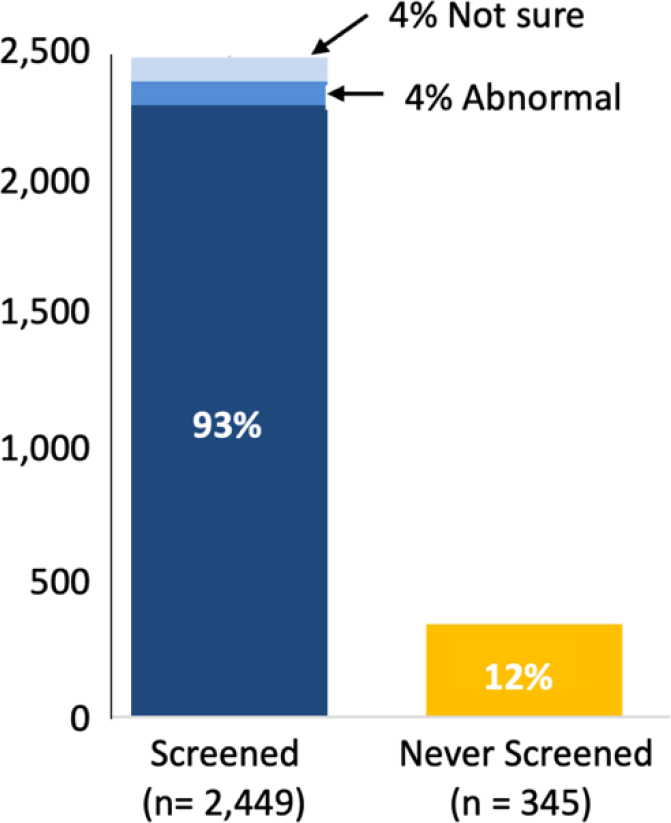
Fig. 1. Cervical cancer screening histories among early adopters of self-collection in the U.S.
Reason for Choosing Self Collection
The most commonly reported reasons for choosing SC included convenience or privacy of an at-home screening option (50%), a desire to avoid in-person exams or a distrust of clinics/healthcare providers (17%), and limited access to care (such as living in a rural area or having challenges making appointments) (11%, Table 4). Early adopters who had never been screened previously were significantly more likely than those who had previously been screened to say they chose SC because they avoided in-person exams or distrusted clinics/healthcare providers (35% vs. 15%, p < 0.001) or because of a history of trauma (13% vs. 7%, p < 0.001). Those with a history of screening were significantly more likely than those who had never screened to say they chose SC because they valued the convenience and privacy of an at-home option (55% vs. 31%, p < 0.001), had challenges accessing screening (13% vs. 6%, p = 0.001), or had work or family obligations that made attending clinic appointments challenging (11% vs. 2%, p < 0.001).
Self Collection and & Screening Results
Users returned SC kits for testing within an average of 12.5 days (IQR: 3–14 days) from kit receipt (data not shown). Average return times were longest for users residing in Western states (14.5 days), followed by the South (11.9 days) and the Northeast (11.5 days), and were shortest in the Midwest (10.4 days, p = 0.002). Following SC, a total of 2,669 early adopters had normal HPV test results (93%), 203 (7%) had abnormal (HPV+) results, and 9 users (0.3%) had an invalid result (Table 5). Of the 203 participants with hrHPV-positive results, 35 (17%) were positive for HPV 16 alone, 17 (8%) for HPV 18 alone, 9 (4%) for HPV 16 with other hrHPV co-infection, and 142 (70%) for other hrHPV types only. Overall, among the positive cases, HPV 16 was detected in 44 participants (22%) and HPV 18 in 17 participants (8%). The prevalence of abnormal results did not vary significantly by geographic region, rural versus urban residence, or a history of cervical cancer screening. Users with HPV-positive test results were younger on average than those who were negative (42.6 vs. 44.4 years, p = 0.018). Among those with a history of screening, the prevalence of abnormal results was significantly higher among those screened within the past 5 years compared to those screened 5 or more years ago (9.6% vs. 5.8%, p = 0.001). Early adopters from areas with full employment were significantly less likely to have abnormal results (104/1,734, 6.0%) than users from areas with moderate (94/1,086, 8.7%) or high (5/61, 8.2%) unemployment (p = 0.026).
Telehealth Triage Following Abnormal Results
As part of the screening service, individuals who receive an HPV positive result are invited and encouraged to schedule a telehealth follow-up visit with a Teal provider. During the visit, the provider will discuss the meaning of the results and educate the patient about ASCCP guideline-indicated follow-up steps,33 all of which require an in-person visit.
The telehealth visit is intended to educate the patient, provide support regarding a potentially confusing and scary result, and, importantly, navigate the individual to care that suits their screening needs. This includes identifying trauma-informed and/or gender-affirming care and care options that address reasons why screening might have been delayed or avoided in the past. The telehealth visit is included as part of the service and aims to increase follow-up action for the ultimate mitigation of cervical cancer development.
Among the 203 early adopters with abnormal HPV test results in the system as of April 16, 2026, 183 (90%) went on to have follow-up counselling via telehealth with a clinician at the Teal Medical Practice by June 24, 2026 (at the time of analysis). Of these 183 consultations, 146 (72%) were done via a video visit, 33 (16%) by asynchronous messaging, and 3 (1.5%) by phone call. Six (3%) of these patients declined a referral despite this counselling.
Confirmation of the triage step taken relies both on referred providers notifying Teal Medical and/or the patients themselves closing the loop. A more automated system for collecting these follow-up data is in development; however, despite this limitation, our data show that 88% patients reported scheduling a follow-up appointment, taking a referral from a Teal provider, and/or seeing a clinician of their choosing. Of those, 88% (178/203) completed or are awaiting confirmed follow up appointments after their HPV positive consultation. The remaining 35% (72/203) were still awaiting their appointment at the time of analysis (mean: 137 ± 56 days from positive HPV result). These interval differences were statistically significant (p < 0.001).
Given wait times for in person appointments, we expect the majority of those pending to report results in the coming months. Although nearly all patients took the telehealth consultation following the positive HPV result, 12% (24/203) of the patients declined a referral or refused to follow up altogether. There were no observed differences in age, region, rurality, or poverty level for those who completed follow-up, are awaiting follow-up, or declined to follow up. At least one invasive cancer and one AIS (adenoma carcinoma in situ) have been discovered and reported by patients who screened HPV positive using the Teal Wand to date.
Self Collection Experience
Just over a quarter of the sample (758/2,881, 26%) responded to at least one of the client satisfaction questions in the survey based upon a 5-point Likert scale, including comfort with SC (n = 535, 19%), ease of use (n = 535, 19%), the new patient visit (n = 534, 19%), and overall experience with the SC and screening process (n = 325, 11%). While response rates were relatively lower for these questions (though consistent with healthcare industry averages), overall satisfaction among reporting users was high, with well over 90% of respondents reporting somewhat or very positive impressions of the SC experience across all four client satisfaction questions (Figure 2). Client satisfaction was not significantly different between those who had previously screened for cervical cancer and those who were new to screening (data not shown).
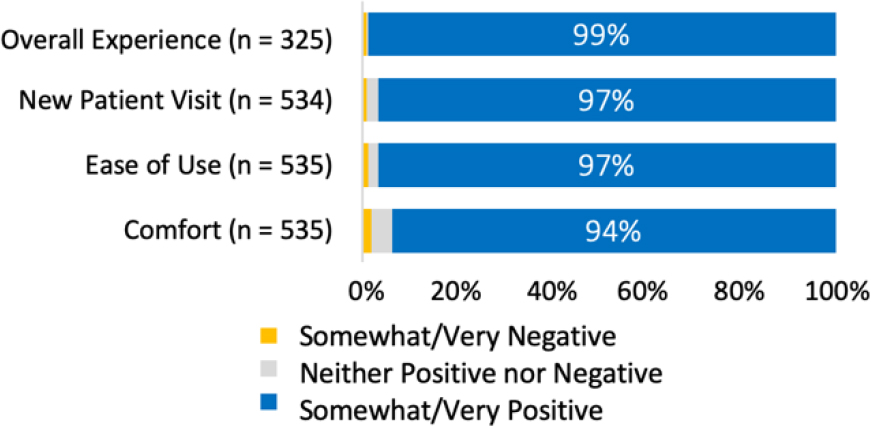
Fig. 2. Client experience of care among early adopters of the teal at-home screening.
Discussion
We analysed routine data from 2,881 early adopters of home-based HPV SC during the first 10 months of SC rollout in the U.S. Users represented all 50 U.S. states and the District of Columbia and ranged in age from 25 to 68 years. Crucially, at least 12% of early adopters of at-home SC in our analysis were first-time screeners, and even among those who had previously undergone screening, nearly 60% had gone more than 5 years since their last cervical cancer screening.
The ability of HPV SC to reach hard-to-reach women or those overdue for screening has been observed in a range of prior studies.34,35 Population-based studies following the introduction of universal SC availability in Australia observed substantial increases in screening coverage, with high rates of SC adoption among those who were under-screened or had never previously been screened.36 Prior studies in the U.S. comparing mailing kits to homes of patients at a U.S. safety net health system increased screening participation more than two-fold among patients who were overdue for screening.24 Return rates in this study were highest when a mailed SC kit was paired with patient (phone) navigation for an overall return rate of 47%.24 A very recent Kaiser report showed a 25.1% sample return rate from HPV mailed kits.37 The Kaiser mailed programme was initiated by sending a kit to a patient who was due for screening, along with text, email, and phone messages. The Teal sample return rate reported here (77%) is high compared to other mailed efforts studied in the U.S.24,37 The patient telehealth encounter, the high-touch digital reminders, and additional support through FAQs and chat likely support the high sample return rate we observed. Users’ out-of-pocket costs could also have influenced the desire to return the sample. Early adopters sought at-home mailed screening and are likely motivated by the option to address their individual barriers.
Home-based SC models may help improve uptake by enhancing screening privacy, convenience, and diminishing feelings of stress or embarrassment,38 which have been documented barriers to traditional cervical cancer screening.39 Early adopters in our experience who had a prior history of cervical cancer screening commonly said they chose home-based SC because of the increased privacy and convenience, because they had limited access to in-person screening because of rural residence or challenges securing appointments, or due to work or family obligations. These findings are well-aligned with previous research that has found SC to be highly appealing to women and to address structural barriers to screening.40,41 While first-time screeners in our study also frequently cited increased privacy/convenience as a reason for uptake, they were significantly more likely than those who had previously screened to say they chose SC because they had historically avoided in-person exams, distrusted clinics or providers, or because of a history of trauma or pain associated with pelvic exams. These barriers to traditional pelvic exam-based screening are commonly reported among under-screened women in the U.S. and beyond.9,42
Notably, patients did not report cost as a prior barrier to screening since this screening is a no-cost-sharing covered preventive health service by nearly all insurers. Early adopters were willing to bear some portion of the out-of-pocket costs, since insurance does not yet have adequate coding for the supplies, mailing, and digital adherence platform. A study of 227 low-income women in North Carolina (MBMT-3) showed that 92% of the women were willing to pay for home kits out of pocket, indicating that nearly half would pay up to $25 or more, but that other costs associated with deploying at-home kits would also need to be covered.43 The group of early adopters in our study suggests that cost is not the primary friction and a diversity of users was represented; however, we acknowledge that some users will not be able to bear any out-of-pocket costs. The HRSA guidelines mandate coverage of SC options for all commercially insured starting in January 2027 and we hope that there will be no cost-sharing associated with at-home SC. This study adds to a growing body of evidence suggesting that at-home SC can address barriers to uptake and increase participation in screening programmes, especially among under-screened or not previously screened women.34,35,44
This is particularly important given that more than half of the previously unscreened users in our study were between the ages of 30 and 59, putting them a decade or more overdue to begin cervical cancer screening according to U.S. guidelines.3,45 While HPV positivity rates were highest among early adopters under age 30 years, more than a quarter of total HPV+ cases identified through SC were among users over 50. Concerningly, hrHPV positivity rates were also higher among users 60 and up compared to those 30–59, an age group that new data suggests may frequently be overdue for cancer screenings in the U.S.46
While guidelines advise that screening can be phased out after 65 years for women who are not high risk and for whom recent screenings have been negative, recent data from China found high rates of hrHPV among women ≥65 and increased rates of cervical intraepithelial neoplasia grade 2 or worse relative to younger women.47 Our results demonstrate that SC is an acceptable and feasible option for older women who still want or need to be screened, a finding that is supported by previous research in the U.S. and Sweden.48,49
Encouragingly, our early implementation data from SC scale-up in the U.S. also suggests that SC can reach a demographically and economically diverse population of users. While individual-level demographic information was limited in our dataset, ZCTA data demonstrated that early adopters resided in racially and economically diverse areas. It is notable that this was true even though the current SC model requires some cost sharing. Prior research in the U.S. has highlighted racial and ethnic disparities in cervical cancer screening coverage and cervical cancer mortality,8,50 and the reach of SC in early rollout suggests that SC modalities have a role to play in closing these gaps. More than 16% of early users also resided in rural areas, which prior research has shown to be underserved by traditional cervical cancer screening services.51
Integrated telehealth platforms may enhance the SC experience, address further barriers to screening, offer essential and accurate clinical education, and ultimately help further decrease cervical cancer-related inequities. Telehealth services surged dramatically during the COVID-19 pandemic, supported by regulatory changes and an easing of restrictions around payments and reimbursements for telemedicine services.52 As a result, the use of telemedicine in the early pandemic grew from less than 1% of all medical encounters to nearly 25% of them based on data from private insurance claims.53 Many of the regulatory and policy changes that permitted this growth were extended or made permanent following the pandemic, allowing for integration of telehealth into models of home-based care, such as SC. While many express concern that at-home screening will not ensure the in-person follow-up care needed for HPV-positive patients, the high-touch, high-education approach described here is showing promising rates of timely follow-up (88% completed or await appointments) compared to most generalizable reports showing guideline-adherent follow-up at or below 50% within 12 to 48 months of HPV-positive screening.54,55 We continue to monitor and encourage necessary follow-up, and with more data, we can identify factors that affect a patient’s ability to take this step. An at-home screening option may be particularly valuable for rural residents and those who face other barriers to in-person care. Though data are early, initial user feedback suggests that our users found that SC combined with telehealth was highly acceptable, including the new patient telehealth visit (required before SC kits are mailed to users). This aligns with other research conducted since the pandemic, which demonstrates improvements in patient health outcomes and satisfaction related to telemedicine due to factors such as reduced out-of-pocket spending, increased convenience, and a preference for remote vs. in-person care.56
Limitations
These findings are based on preliminary data from the first 10 months of implementation of home-based SC combined with telehealth services. The participation and reach of the intervention may vary as time goes on and home-based SC scales further. However, our results include more than 2,800 users from all 50 states and Washington, D.C., and provide a valuable overview of early SC adoption in the U.S. following FDA authorisation. Because SC was only recently approved, insurance coverage varies widely, and the current cost structure for SC (which requires cost sharing for the kit) may be limiting and biasing uptake. This should change in 2027 when insurance is required by HRSA, Women’s Preventive Services Initiative guidelines to cover not only SC options but also the diagnostic follow-up required to rule out malignancy. Our results suggest our user base includes individuals from communities with moderate to high levels of poverty, but additional implementation data are needed to monitor reach and equity of home-based SC as this option continues to scale. While we hypothesise that telehealth services are an additional benefit to home-based SC that can better reach under-screened users, engagement in telehealth does require access to technology and a sufficient level of digital literacy, so there can be a natural limitation to widespread telehealth use. Finally, because this analysis is based on routine data from opt-in user surveys, data on demographic characteristics and user experience carry the risk of self-selection bias. Where possible, we have supplemented our data with neighbourhood-level racial and economic characteristics but acknowledge that user acceptability metrics may be biased as a result.
Conclusion
Evidence from the early rollout of SC in the U.S. demonstrates at-home SC for cervical cancer screening integrated with telehealth promotes participation in screening and can successfully reach never- and under-screened users. This is especially true for individuals facing barriers to in-clinic speculum exams, such as pain, trauma, or fear/distrust of the medical system. Early adopters in our data demonstrate that digital and telehealth-enabled screening modalities will reach women who do not access or do not prefer clinic-based systems, including those in rural geographies and low socioeconomic status neighbourhoods. This innovation expands preventive care options for users and mitigates disparities in cervical screening in the U.S.
Data Availability Statement (DAS), Data Sharing, Reproducibility, and Data Repositories
All providers are contractors of the Teal Medical Practice and receive payment for their clinical services only. ES owns the medical practice. TD and MM are employees of Teal Health, Inc. KL is a consultant and receives consulting fees from Teal Health, Inc.
Application of AI-Generated Text or Related Technology
Artificial intelligence was not used in analysis, preparation, or in any manner in this manuscript.
Contributions
KL conducted the primary analysis and writing, with assistance from ES and TD. All remaining authors reviewed and approved content.
Acknowledgments
We express our sincere gratitude to the Teal Medical providers and the medical operations team, under the leadership of Helena Lee, for their commitment to ensuring a supportive and patient-centric screening experience. We are equally grateful to the participating women across the United States whose adoption of at-home self-collection contributes significantly to normalizing alternative modalities for proactive health management.
References
- National Cancer Institute (SEER Program). Cancer stat facts: cervical cancer [Internet]. Bethesda, MD: National Cancer Institute; [cited 2025 Jul 30]. Available from: https://seer.cancer.gov/statfacts/html/cervix.html
- National Cancer Institute. Cervical cancer screening (PDQ)—patient version [Internet]. Bethesda, MD: National Cancer Institute; 2022 [cited 2026 Mar 9]. Available from: https://www.cancer.gov/types/cervical/screening
- U.S. Preventive Services Task Force, Curry SJ, Krist AH, Owens DK, Barry MJ, Caughey AB, et al. Screening for cervical cancer: U.S. Preventive Services Task Force recommendation statement. JAMA. 2018;320(7):674–86. https://doi.org/10.1001/jama.2018.10897
- Amboree TL, Damgacioglu H, Sonawane K, Adsul P, Montealegre JR, Deshmukh AA. Recent trends in cervical cancer incidence, stage at diagnosis, and mortality according to county-level income in the United States, 2000–2019. Int J Cancer. 2024;154(9):1549–55. https://doi.org/10.1002/ijc.34860
- Siegel RL, Kratzer TB, Giaquinto AN, Sung H, Jemal A. Cancer statistics, 2025. CA Cancer J Clin. 2025;75(1):10–45. https://doi.org/10.3322/caac.21871
- Bilalaga MM, Gaddipati G, Devkota A, Vasireddy R, Akhiwu T, Atarere J, et al. HPV knowledge and non-adherence to cervical cancer screening before and following the COVID-19 pandemic in the United States. PLoS Glob Public Health. 2025;5(9):e0004800. https://doi.org/10.1371/journal.pgph.0004800
- Bandi P, Star J, Mazzitelli N, Nargis N, Islami F, Siegel RL, et al. Prevalence and review of major modifiable cancer risk factors, HPV vaccination, and cancer screenings in the United States: 2025 update. Cancer Epidemiol Biomarkers Prev. 2025;34(6):836–49. https://doi.org/10.1158/1055-9965.EPI-24-1835
- Suk R, Hong YR, Rajan SS, Xie Z, Zhu Y, Spencer JC. Assessment of U.S. Preventive Services Task Force Guideline—concordant cervical cancer screening rates and reasons for underscreening by age, race and ethnicity, sexual orientation, rurality, and insurance, 2005 to 2019. JAMA Netw Open. 2022;5(1):e2143582. https://doi.org/10.1001/jamanetworkopen.2021.43582
- Fuzzell LN, Perkins RB, Christy SM, Lake PW, Vadaparampil ST. Cervical cancer screening in the United States: challenges and potential solutions for under-screened groups. Prev Med. 2021;144:106400. https://doi.org/10.1016/j.ypmed.2020.106400
- Shpendi S, Norman P, Gibson-Miller J, Webster R. Identifying the key barriers, facilitators and factors associated with cervical cancer screening attendance in young women: a systematic review. Womens Health. 2025;21:17455057251324309. https://doi.org/10.1177/17455057251324309
- Farajimakin O. Barriers to cervical cancer screening: a systematic review. Cureus. 2026;16(7):e65555. https://doi.org/10.7759/cureus.65555
- Soltani LF, Addis I, Lin P, Kamdar N, O’Dwyer MC, Young AP, et al. Characterizing cervical cancer screening in the us: preparing for the era of self-collection. J Am Board Fam Med. 2026;38(6):1026–48. https://doi.org/10.3122/jabfm.2025.250040R1
- Boitano TKL, Powell MA, Leath CA, Michael Straughn J, Scarinci IC. Barriers and facilitators affecting presentation in women with early versus advanced stage cervical cancer. Gynecol Oncol Rep. 2022;40:100950. https://doi.org/10.1016/j.gore.2022.100950
- Fontham ETH, Wolf AMD, Church TR, Etzioni R, Flowers CR, Herzig A, et al. Cervical cancer screening for individuals at average risk: 2020 guideline update from the American Cancer Society. CA Cancer J Clin. 2020;70(5):321–46. https://doi.org/10.3322/caac.21628
- Shin MB, Axeen S, Cole AM, Guo XM, Islam JY, Ko LK, et al. Nonadherence to cervical cancer screening guidelines in commercially insured U.S. adults, 2013–2021. JAMA Netw Open. 2025;8(12):e2548512. https://doi.org/10.1001/jamanetworkopen.2025.48512
- Perkins RB, Wolf AMD, Church TR, Elkin EB, Skates SJ, Etzioni RD, et al. Self-collected vaginal specimens for human papillomavirus testing and guidance on screening exit: an update to the American Cancer Society cervical cancer screening guideline. CA Cancer J Clin. 2026;76(1):e70041. https://doi.org/10.3322/caac.70041
- Health Resources and Services Administration (U.S.). Women’s preventive services guidelines [Internet]. Rockville, MD: HRSA; [cited 2026 Mar 9]. Available from: https://www.hrsa.gov/womens-guidelines
- U.S. Preventive Services Task Force. Draft recommendation: cervical cancer: screening [Internet]. Rockville, MD: USPSTF; [cited 2025 Dec 23]. Available from: https://www.uspreventiveservicestaskforce.org/uspstf/draft-recommendation/cervical-cancer-screening-adults-adolescents#fullrecommendationstart
- American Cancer Society. In-clinic and at-home HPV self-collection test [Internet]. HPV Self-Collection Test. Atlanta, GA: American Cancer Society; 2025 [cited 2026 Mar 9]. Available from: https://www.cancer.org/cancer/risk-prevention/hpv/hpv-and-hpv-testing/self-collection.html
- Teal Health. Teal health expands nationwide, bringing the only FDA-authorized device for at-home cervical cancer screening to all 50 states [Internet]. New York, NY: PR Newswire; [cited 2026 Mar 9]. Available from: https://www.prnewswire.com/news-releases/teal-health-expands-nationwide-bringing-the-only-fda-authorized-device-for-at-home-cervical-cancer-screening-to-all-50-states-302654685.html
- Health Resources and Services Administration (U.S.). New cervical cancer screening guidelines strengthen women’s preventive health [Internet]. Rockville, MD: HRSA; [cited 2026 Mar 9]. Available from: https://www.hrsa.gov/about/news/press-releases/new-cervical-cancer-screening-guidelines
- Andersson H, Dillner J. Population-based cervical screening with human papillomavirus self-sampling at home and incidence of cervical cancer in Sweden. Prev Med. 2026;206:108540. https://doi.org/10.1016/j.ypmed.2026.108540
- Pretsch PK, Spees LP, Brewer NT, Hudgens MG, Sanusi B, Rohner E, et al. Effect of HPV self-collection kits on cervical cancer screening uptake among under-screened women from low-income U.S. backgrounds (MBMT-3): a phase 3, open-label, randomised controlled trial. Lancet Public Health. 2023;8(6):e411–21. https://doi.org/10.1016/S2468-2667(23)00076-2
- Montealegre JR, Hilsenbeck SG, Bulsara S, Parker SL, Amboree TL, Anderson ML, et al. Self-collection for cervical cancer screening in a safety-net setting. JAMA Intern Med. 2025;185(9):1119–27. https://doi.org/10.1001/jamainternmed.2025.2971
- Swenson E, VonderHaar E, Ruiz J, Segalova P, Su V, Mouton C, et al. Delivering HPV results via telehealth: patient needs and engagement following an at-home self-collection study. Digit Health. 2026;12:20552076261421347. https://doi.org/10.1177/20552076261421347
- Fitzpatrick MB, Behrens CM, Hibler K, Parsons C, Kaplan C, Orso R, et al. Clinical validation of a vaginal cervical cancer screening self-collection method for at-home use: a nonrandomized clinical trial. JAMA Netw Open. 2025;8(5):e2511081. https://doi.org/10.1001/jamanetworkopen.2025.11081
- F. Hoffmann-La Roche Ltd. Roche announces FDA approval of one of the first HPV self-collection solutions in the US, expanding access and screening options to help eliminate cervical cancer [Internet]. Basel: Roche; 2024 [cited 2026 Mar 9]. Available from: https://www.roche.com/media/releases/med-cor-2024-05-15
- Perkins RB, Guido RL, Saraiya M, Sawaya GF, Wentzensen N, Schiffman M, et al. Summary of current guidelines for cervical cancer screening and management of abnormal test results: 2016–2020. J Womens Health. 2021;30(1):5–13. https://doi.org/10.1089/jwh.2020.8918
- US Census Bureau. American Community Survey (ACS) [Internet]. Suitland, MD: U.S. Census Bureau; [cited 2026 Mar 9]. Available from: https://www.census.gov/programs-surveys/acs.html
- US Census Bureau. Areas with concentrated poverty: 2006–2010 [Internet]. Suitland, MD: U.S. Census Bureau; 2011 [cited 2026 May 19]. Available from: https://www.census.gov/library/publications/2011/acs/acsbr10-17.html
- Krieger N, Chen JT, Waterman PD, Soobader MJ, Subramanian SV, Carson R. Geocoding and monitoring of U.S. socioeconomic inequalities in mortality and cancer incidence: does the choice of area-based measure and geographic level matter?: the Public Health Disparities Geocoding Project. Am J Epidemiol. 2002;156(5):471–82. https://doi.org/10.1093/aje/kwf068
- Health Resources and Services Administration (U.S.). Federal Office of Rural Health Policy [Internet]. Rockville, MD: HRSA; [cited 2026 Apr 1]. Available from: https://www.hrsa.gov/about/organization/bureaus/forhp
- Perkins RB, Guido RS, Castle PE, Chelmow D, Einstein MH, Garcia F, et al. 2019 ASCCP risk-based management consensus guidelines for abnormal cervical cancer screening tests and cancer precursors. J Low Genit Tract Dis. 2020;24(2):102–31. https://doi.org/10.1097/LGT.0000000000000525
- Arbyn M, Smith SB, Temin S, Sultana F, Castle P, Collaboration on Self-Sampling and HPV Testing. Detecting cervical precancer and reaching underscreened women by using HPV testing on self-samples: updated meta-analyses. BMJ. 2018;363:k4823. https://doi.org/10.1136/bmj.k4823
- Costa S, Verberckmoes B, Castle PE, Arbyn M. Offering HPV self-sampling kits: an updated meta-analysis of the effectiveness of strategies to increase participation in cervical cancer screening. Br J Cancer. 2023;128(5):805–13. https://doi.org/10.1038/s41416-022-02094-w
- Lee A, Hawkes D, Sweeney D, Wyatt K, Nightingale C, Chalmers C, et al. Exponential uptake of HPV self-collected cervical screening testing 2 years since universal availability in Victoria, Australia. BMC Med. 2025;23:389. https://doi.org/10.1186/s12916-025-04219-3
- Green BB, Moqk J, Crawford-Gallagher B, Beatty TC, Gao H, Piccorelli AV, et al. Impact of a clinic- and mail-based cervical cancer human papillomavirus self-collect screening program. NEJM Catal Innov care Deliv. 2026;7(6). https://doi.org/10.1056/CAT.25.0420
- Nelson EJ, Maynard BR, Loux T, Fatla J, Gordon R, Arnold LD. The acceptability of self-sampled screening for HPV DNA: a systematic review and meta-analysis. Sex Transm Infect. 2017;93(1):56–61. https://doi.org/10.1136/sextrans-2016-052609
- MacKinnon KM, Risica PM, von Ash T, Scharf AL, Lamy EC. Barriers and motivators to women’s cancer screening: a qualitative study of a sample of diverse women. Cancer. 2023;129(S19):3152–61. https://doi.org/10.1002/cncr.34653
- Camara H, Zhang Y, Lafferty L, Vallely AJ, Guy R, Kelly-Hanku A. Self-collection for HPV-based cervical screening: a qualitative evidence meta-synthesis. BMC Public Health. 2021;21(1):1503. https://doi.org/10.1186/s12889-021-11554-6
- Nishimura H, Yeh PT, Oguntade H, Kennedy CE, Narasimhan M. HPV self-sampling for cervical cancer screening: a systematic review of values and preferences. BMJ Glob Health. 2021;6(5):e003743. https://doi.org/10.1136/bmjgh-2020-003743
- Petersen Z, Jaca A, Ginindza TG, Maseko G, Takatshana S, Ndlovu P, et al. Barriers to uptake of cervical cancer screening services in low-and-middle-income countries: a systematic review. BMC Womens Health. 2022;22(1):486. https://doi.org/10.1186/s12905-022-02043-y
- Le A, Rohweder C, Wheeler SB, Lafata JE, Teal R, Giannone K, et al. Self-collection for primary HPV testing: perspectives on implementation from federally qualified health centers. Prev Chronic Dis. 2023;20:E93. https://doi.org/10.5888/pcd20.230056
- Winer RL, Lin J, Anderson ML, Tiro JA, Green BB, Gao H, et al. Strategies to increase cervical cancer screening with mailed human papillomavirus self-sampling kits: a randomized clinical trial. JAMA. 2023;330(20):1971–81. https://doi.org/10.1001/jama.2023.21471
- American Cancer Society. Cervical cancer screening guidelines [Internet]. Atlanta, GA: American Cancer Society; [cited 2026 Mar 9]. Available from: https://www.cancer.org/health-care-professionals/american-cancer-society-prevention-early-detection-guidelines/cervical-cancer-screening-guidelines.html
- Spencer JC, Montealegre JR, Calderón-Mora J, Pignone MP. Breast, cervical, and colorectal cancer screening rates in women aged 45 to 64 years. JAMA Netw Open. 2026;9(5):e2612976. https://doi.org/10.1001/jamanetworkopen.2026.12976
- Ye Z, Wang H, Zhong Y, Wang J, Jin S, Wu B, et al. High-risk HPV distribution and importance of continuing cervical cancer screening of women aged 65 years and older: a study based on 2 152 766 women in China. Gynecol Obstet Clin Med. 2025;5(2): e000238. https://doi.org/10.1136/gocm-2025-000238
- Hermansson RS, Olovsson M, Gustavsson C, Lindström AK. Elderly women’s experiences of self-sampling for HPV testing. BMC Cancer. 2020;20:473. https://doi.org/10.1186/s12885-020-06977-0
- Fitch K, Bohn JA, Emerson JB, Boniface ER, Bruegl A. Acceptability of human papillomavirus self-collection and the role of telehealth: a prospective, randomized study stratified by menopausal status. Int J Gynecol Cancer. 2024;34(1):19–27. https://doi.org/10.1136/ijgc-2023-004935
- Beavis AL, Gravitt PE, Rositch AF. Hysterectomy-corrected cervical cancer mortality rates reveal a larger racial disparity in the United States. Cancer. 2017;123(6):1044–50. https://doi.org/10.1002/cncr.30507
- Amboree TL, Damgacioglu H, Chiao EY, Schmeler KM, Sonawane K, Deshmukh AA, et al. Rural-urban disparities in cervical cancer incidence and mortality among U.S. women. JAMA Netw Open. 2025;8(3):e2462634. https://doi.org/10.1001/jamanetworkopen.2024.62634
- Shaver J. The state of telehealth before and after the COVID-19 pandemic. Prim Care. 2022;49(4):517–30. https://doi.org/10.1016/j.pop.2022.04.002
- Weiner JP, Bandeian S, Hatef E, Lans D, Liu A, Lemke KW. In-person and telehealth ambulatory contacts and costs in a large U.S. insured cohort before and during the COVID-19 pandemic. JAMA Netw Open. 2021;4(3):e212618. https://doi.org/10.1001/jamanetworkopen.2021.2618
- Perkins RB, Adcock R, Benard V, Cuzick J, Waxman A, Howe J, et al. Clinical follow-up practices after cervical cancer screening by co-testing: a population-based study of adherence to U.S. guideline recommendations. Prev Med. 2021;153:106770. https://doi.org/10.1016/j.ypmed.2021.106770
- Cheng D, Rieu-Werden ML, Lykken JM, Werner CL, Feldman S, Silver MI, et al. Assessing management of abnormal cervical cancer screening results and concordance with guideline recommendations in three U.S. healthcare settings. Cancer Epidemiol Biomarkers Prev. 2024;33(7):912–22. https://doi.org/10.1158/1055-9965.EPI-23-1564
- Alakeel AN, Alskait BK, Binshafi GB, AlAmro HA, Alkharji SK, Elsherbini M, et al. The impact of telehealth adoption on patient outcomes: a systematic review. Cureus. 2025;17(10):e94328. https://doi.org/10.7759/cureus.94328
Copyright Ownership: This is an open-access article distributed in accordance with the Creative Commons Attribution Non-Commercial (CC BY-NC 4.0) license, which permits others to distribute, adapt, enhance this work non-commercially, and license their derivative works on different terms, provided the original work is properly cited and the use is non-commercial. See http://creativecommons.org/licenses/by-nc/4.0. The authors of this article own the copyright.